No products in the cart.
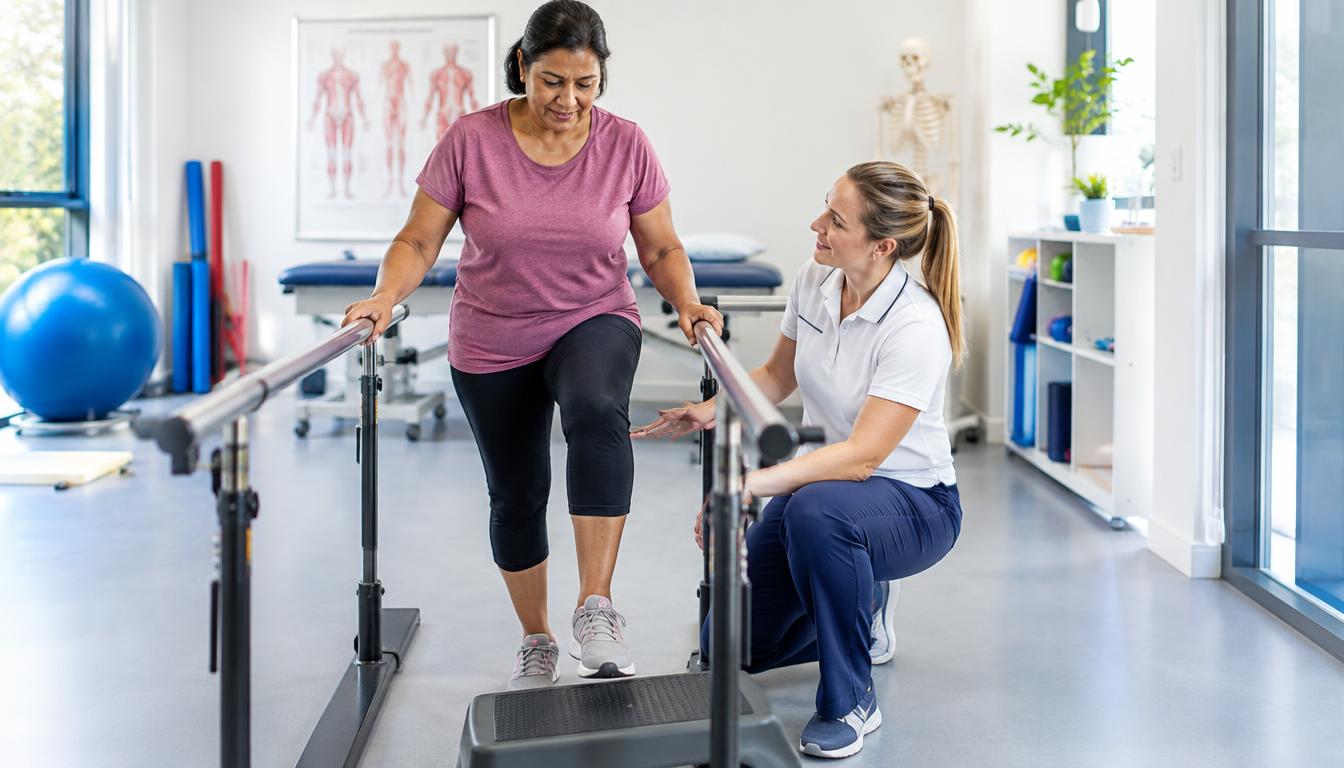

What are weight-bearing exercises? They are activities in which the feet, legs or another part of the body accepts load while the body works against gravity. This is different from non-weight-bearing activity, such as swimming, where the water supports much of the body.
Walking is usually weight bearing. Standing, stair climbing, controlled squats, sit-to-stand movements and some resistance training can also qualify. Certain yoga and Pilates positions place load through the feet, arms or knees, while other positions are performed lying or seated.
The safest choice depends on the person. A movement that is suitable for one patient may be unsuitable after surgery, a fracture or a period of protected loading.
Weight bearing physical activity gives muscles a reason to work against gravity. Over time, suitable exercise may help develop lower limb strength, improve functional movement and support confidence during everyday tasks. It can also help people maintain independence.
Loading provides information to the nervous system. The body learns where weight is placed and how to respond. This may help improve balance, movement control and the ability to stand or walk, although exercise is not a universal treatment.
Mechanical loading also matters for bones. Regular, appropriate activity can support bone adaptation. It does not guarantee stronger bones or remove fracture risk.
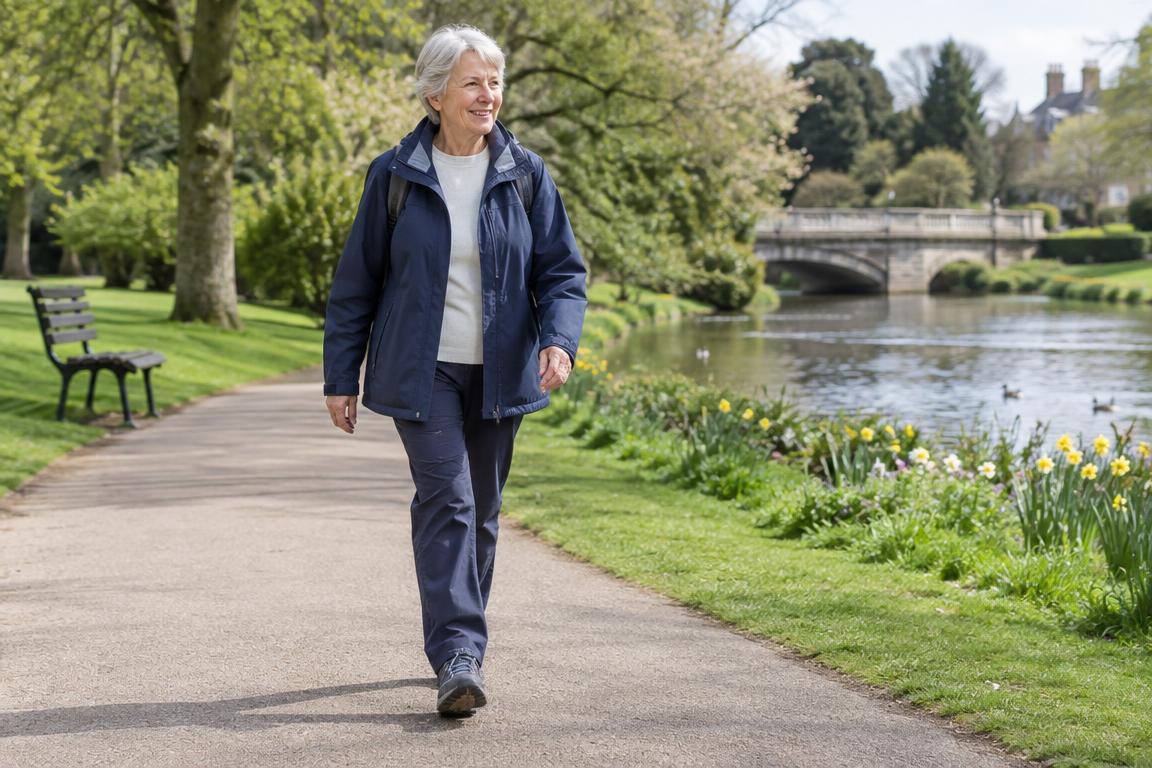
Muscles work when they create force to move or stabilise the body. During standing and walking, the legs and trunk respond to body weight, gravity and the demands of movement. Resistance training adds an external load, such as weights or an elastic band.
Progression should be gradual. A physiotherapist may change the support, speed, range or resistance rather than simply adding more weight. This allows the exercise to remain controlled while strength develops.
Weight bearing workouts may also support joint control and stamina. Pain, marked fatigue, swelling or altered movement should not be ignored. These signs may mean that the activity needs review.
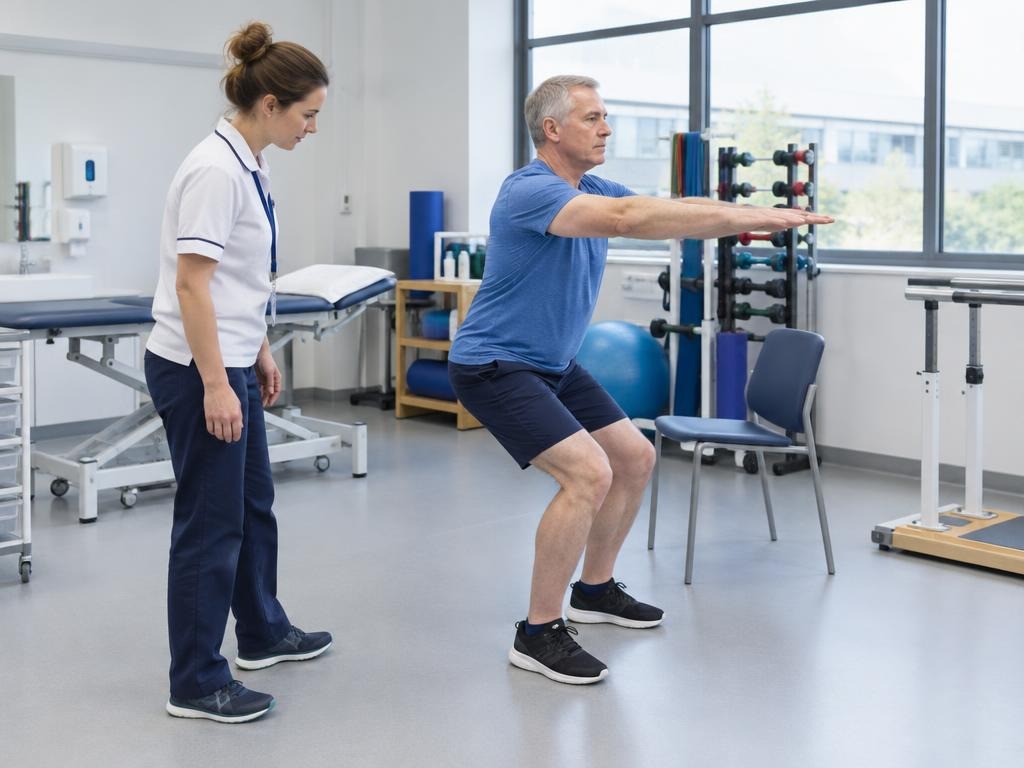
Bones respond to the forces placed through them. Weight bearing exercise can provide mechanical stimulation that supports bone remodelling and bone health. Bone density is influenced by age, hormones, nutrition, genetics, medication and health conditions as well as activity.
Bone strengthening exercises may include walking, stair work and suitable resistance training. The appropriate programme differs for each person. Exercise alone does not cure osteoporosis, and high-impact activity may not be suitable for someone with fragile bones or a history of fractures.
Anyone considering weight bearing exercises for osteoporosis should follow individual advice from a health care provider. The aim is useful loading without creating avoidable risk.
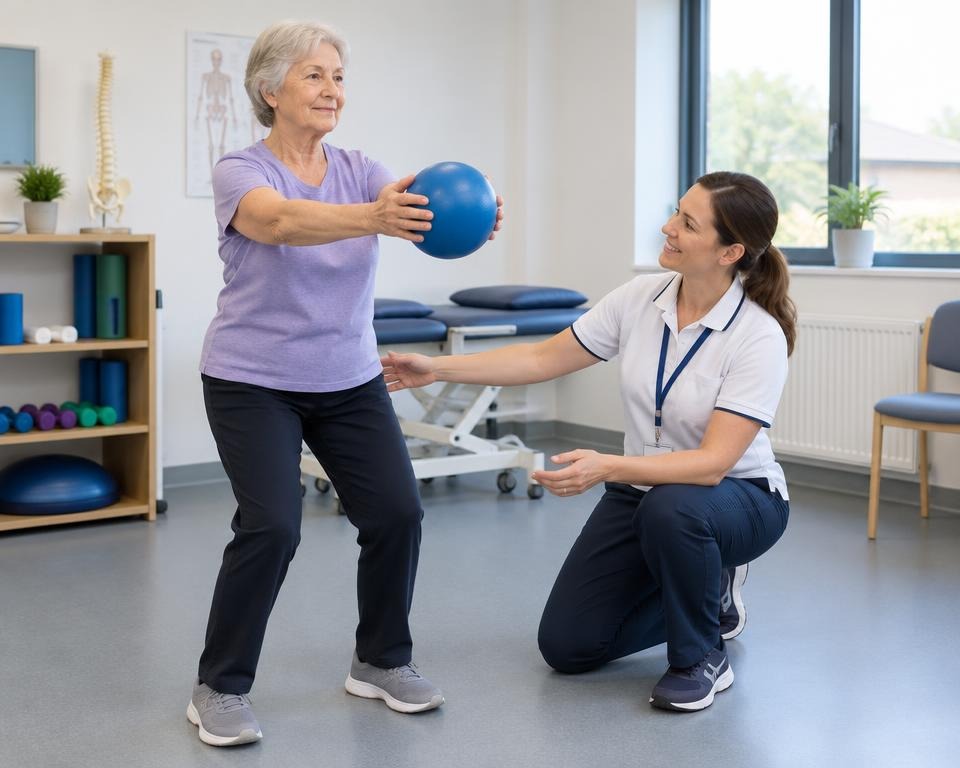
People with osteoporosis may benefit from carefully selected weight bearing activities for osteoporosis. Walking and resistance work are often considered, but the right intensity depends on bone density, previous fractures, pain and clinical assessment.
Some people need to avoid sudden impact, loaded spinal flexion or movements that increase fracture risk. A health care provider can explain which exercises for bone strength are appropriate. Good information supports safer decisions; it does not replace an assessment.
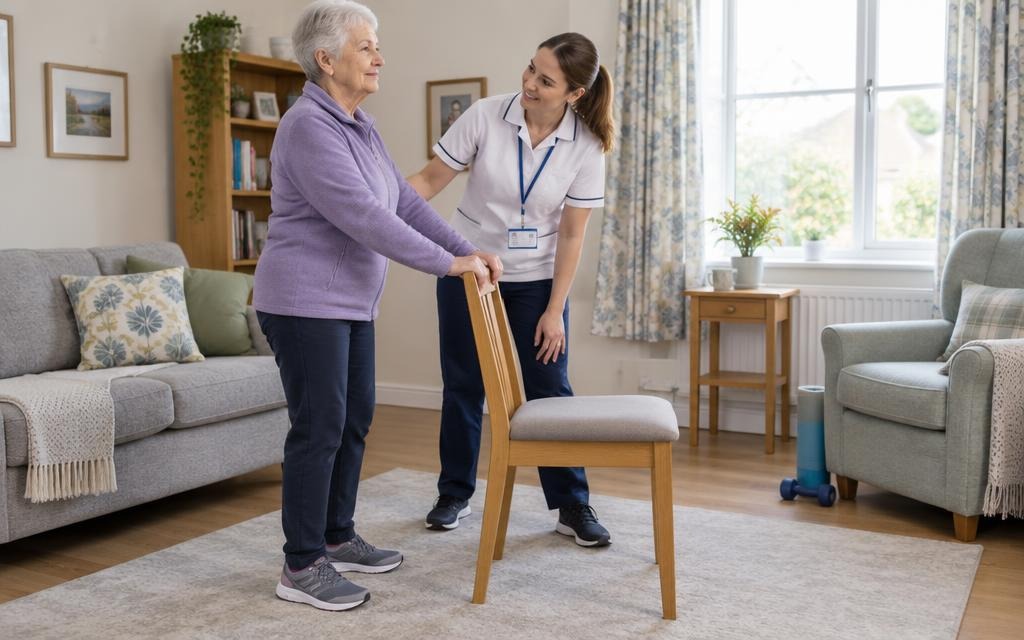
What exercises are weight bearing? Common examples include:
These examples are not a universal prescription. A health care provider may adapt foot position, range, speed, support and duration. The goal is useful movement, not simply more activity.
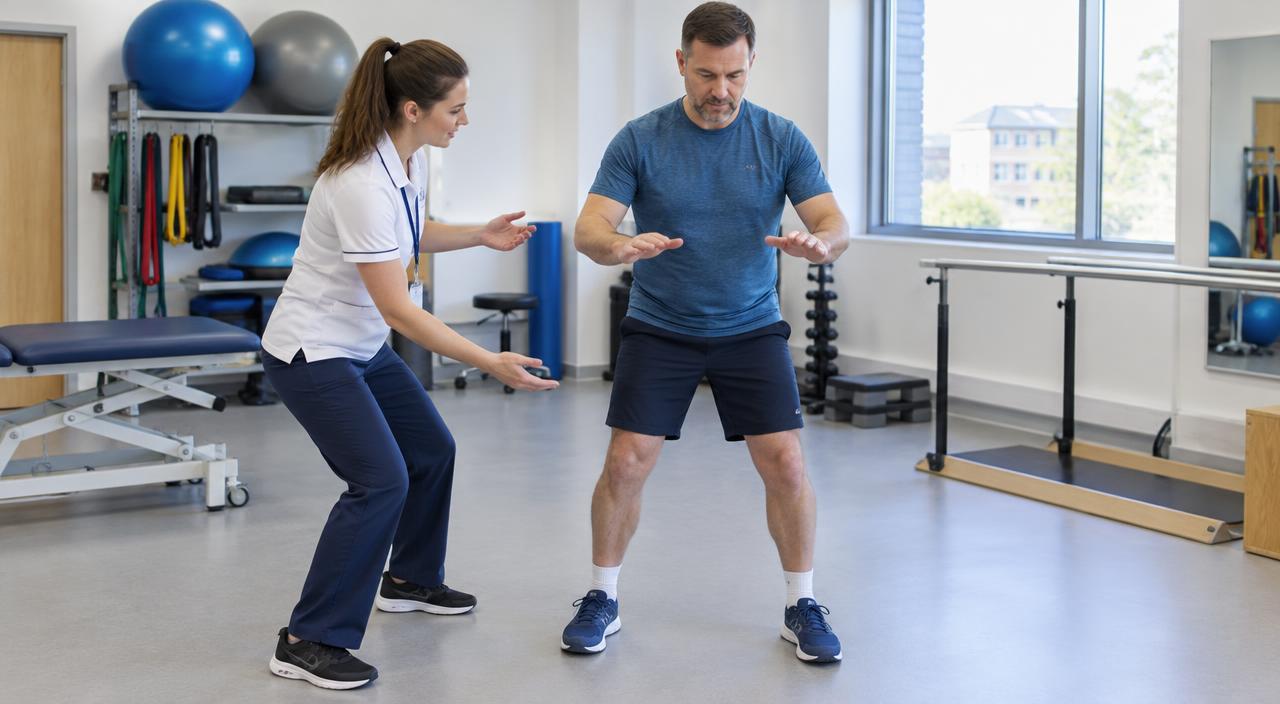
Yes. Walking is generally a weight-bearing exercise because each leg accepts body weight as it contacts the ground. The amount of load changes with speed, terrain, footwear and use of a walking aid.
Yes. Squats load the feet, ankles, knees and hips while the body lowers and rises. They can support lower limb strength and functional movement. Depth, support and alignment should be adjusted for the individual.
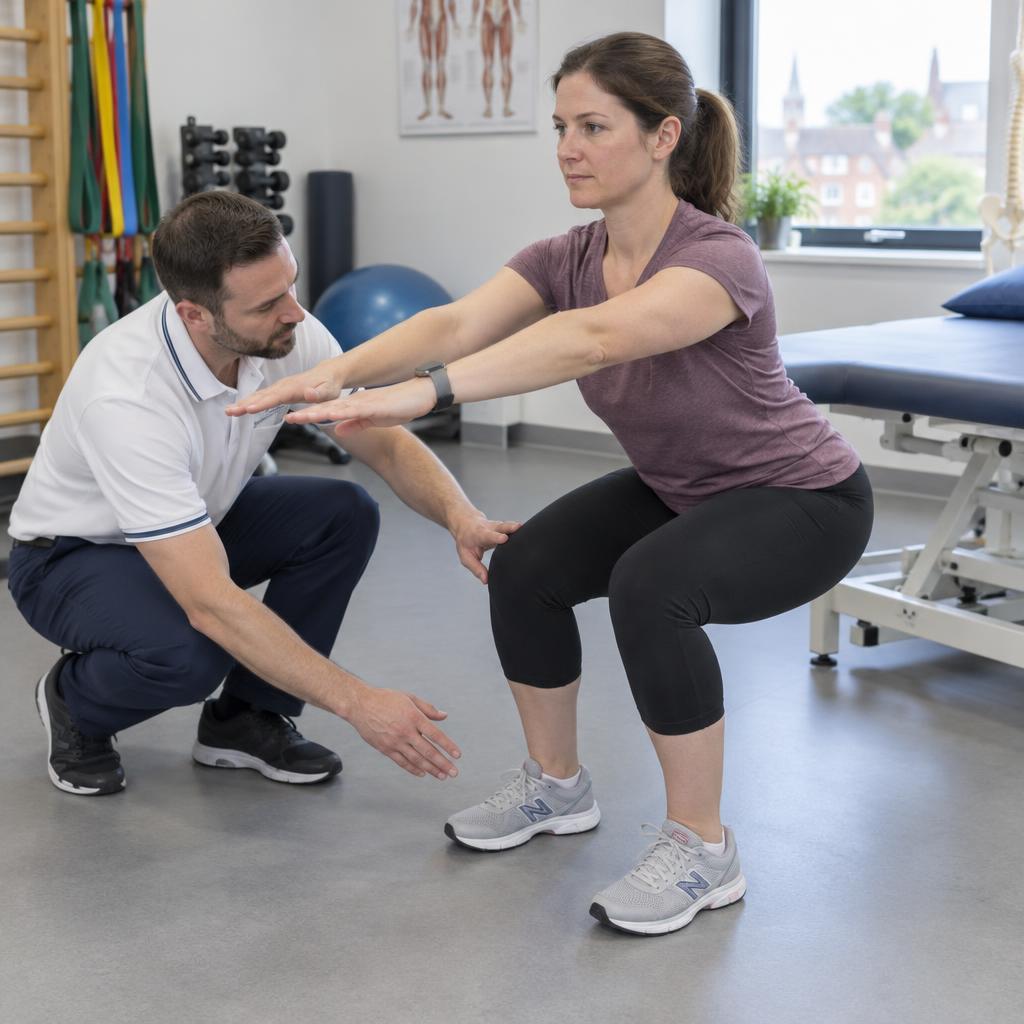
Sometimes. A standing yoga pose places load through the feet. A hands-and-knees position places load through the hands and knees. Pilates may include standing resistance work, but many exercises are performed lying or seated.
So, the answer depends on the position and the purpose of the session. People with osteoporosis, broken bones, pain or recent surgery should ask a health care provider which types exercise are appropriate.
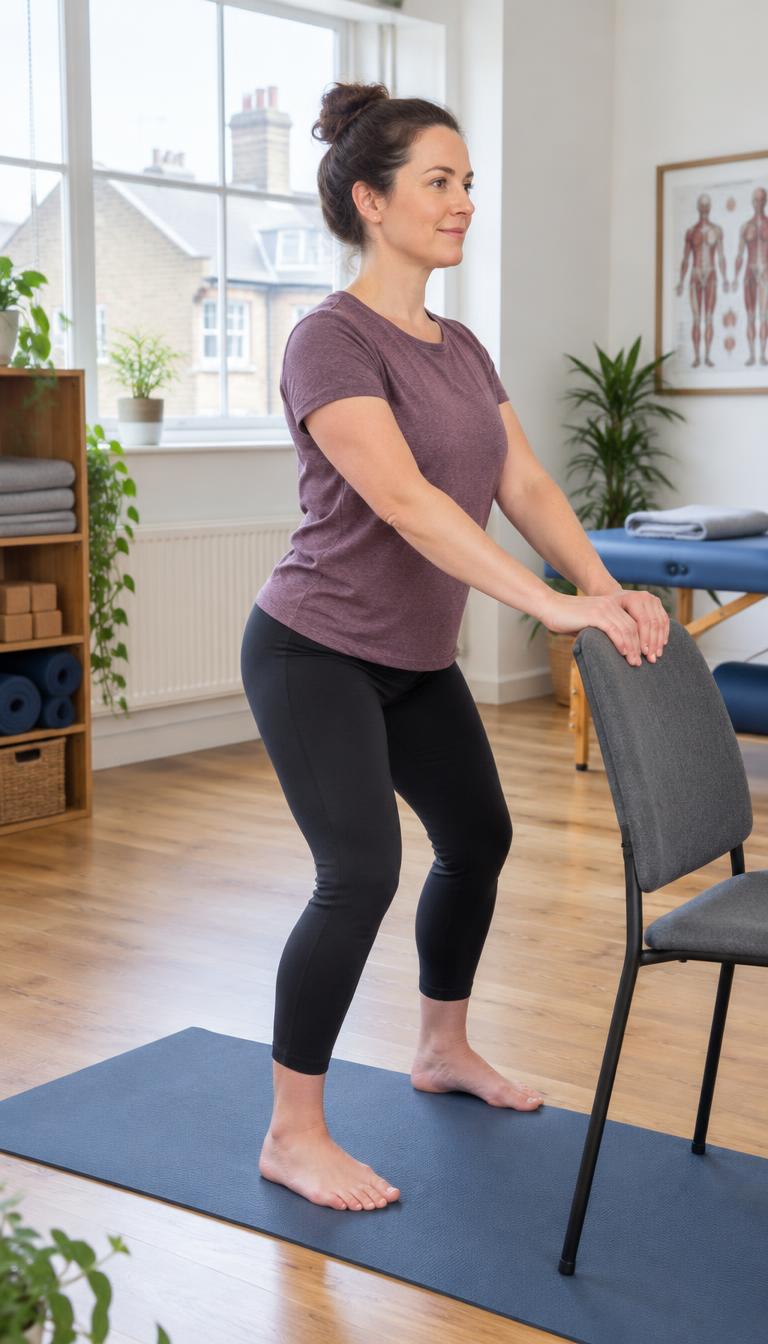
In rehabilitation, weight bearing has a second meaning. A clinician may control how much load is placed through a recovering limb. This is different from the general definition of exercise, where the body supports weight against gravity.
Controlled loading may help restore tolerance, muscle activity, standing, transfers, walking and confidence. Progression may follow healing, pain response, strength, balance and medical instructions.
Specific instructions after surgery, injury or fractures must come from the treating health care provider. Do not guess a percentage or progress because the exercise feels easy.
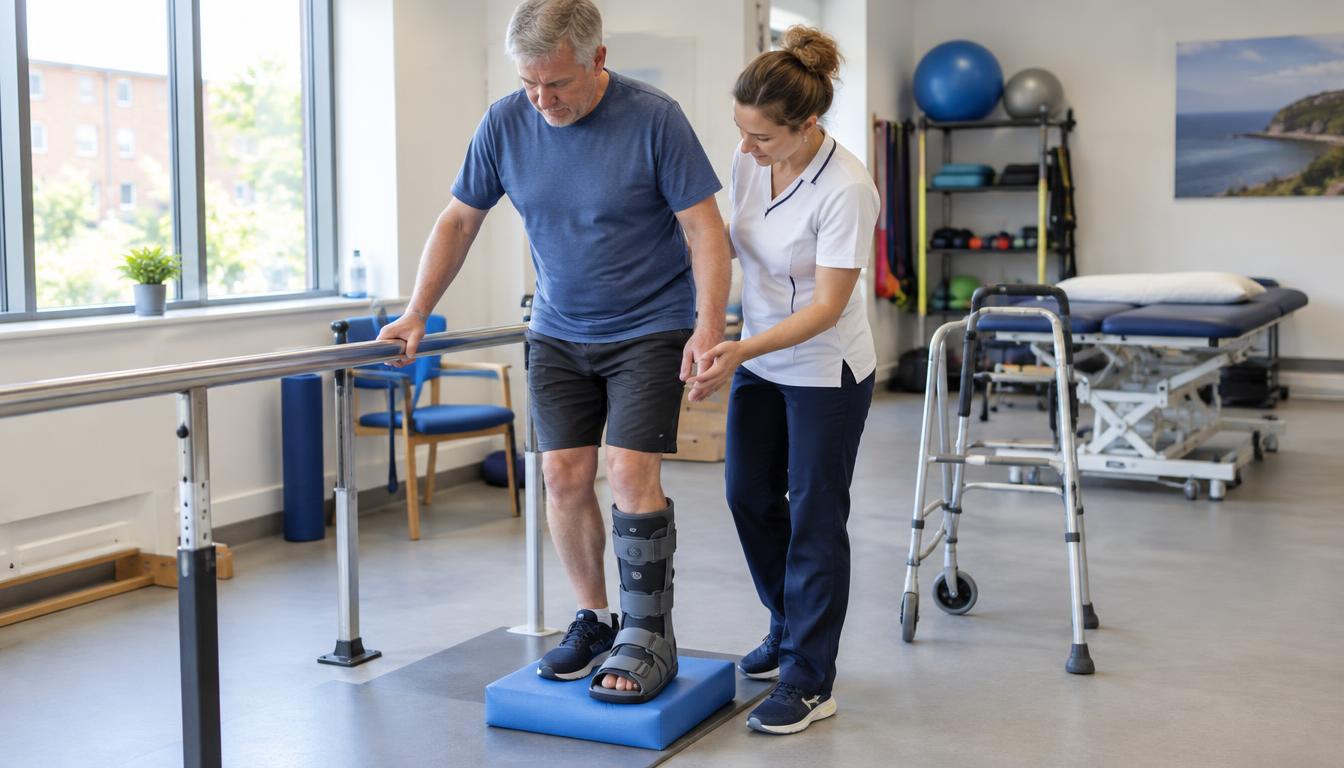
Grounded feet create a stable base of support. Foot position affects how weight travels through the ankles, knees, hips and trunk. Poor placement may make movement harder or encourage compensation.
Clinicians may check whether both feet are placed securely, whether the knees track appropriately and whether weight is distributed safely. This is especially useful during standing, transfer practice and controlled weight transfer.
Read more about proper foot placement during sit-to-stand therapy.
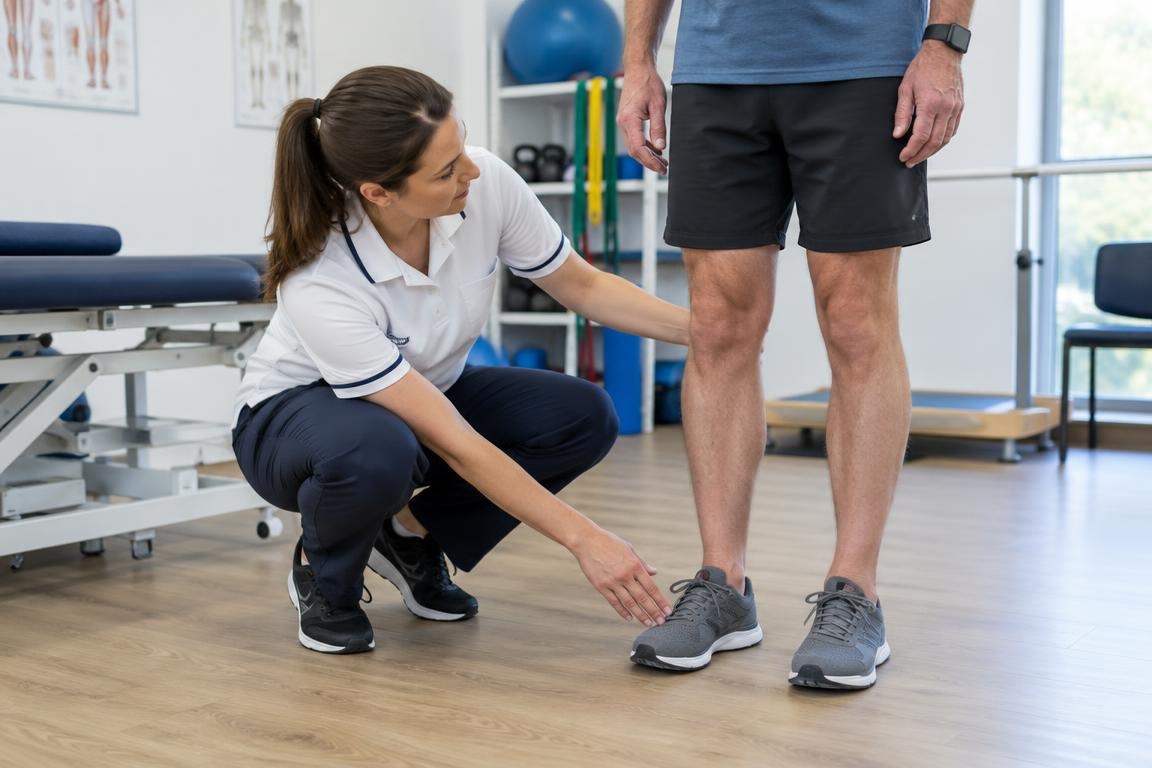
Balance affects how confidently a person can load through the lower limbs. Reduced balance may lead to uneven weight distribution or a need for closer supervision. Guidance on how balance supports movement and independence may help explain this relationship.
Some people have difficulty loading one side, maintaining foot contact, aligning the limb or transferring weight. Neurophysiotherapy may use graded standing and movement to address these issues. Further information is available on stroke rehabilitation and neurorehabilitation.
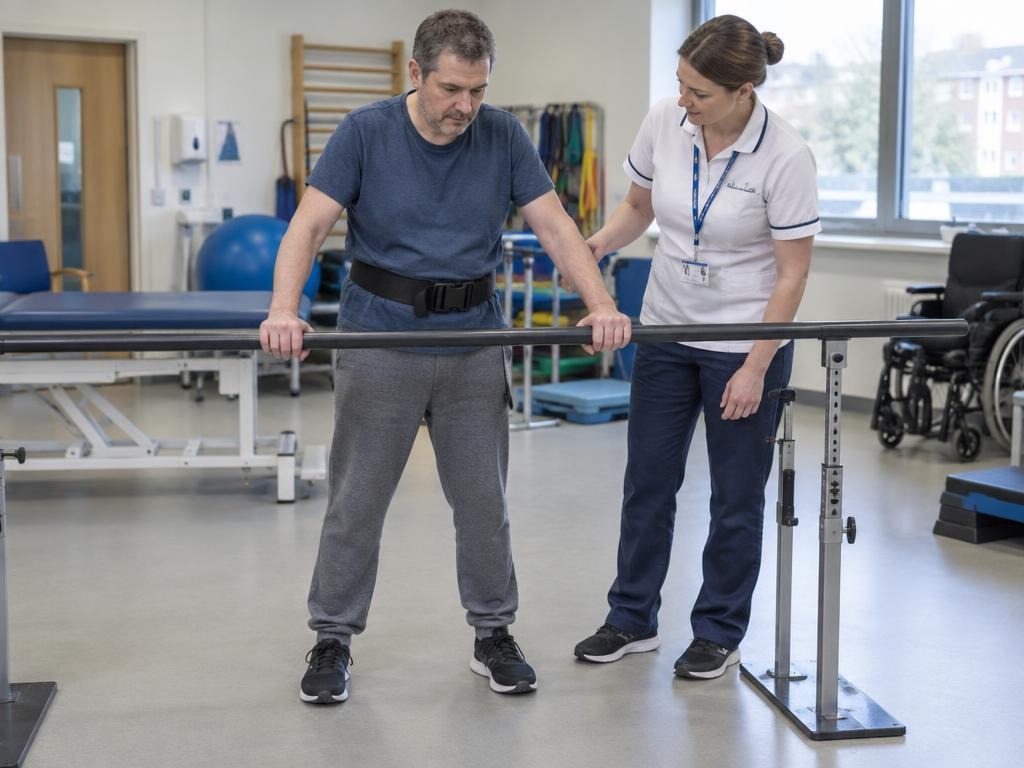
Weight-bearing exercises for seniors may support strength, bone health and independence. Simple standing activities, walking and suitable resistance work can help maintain functional mobility. Older adults may need more support, slower progression or changes to the environment.
The aim is not to make every activity demanding. It is to choose movement that can be performed safely and consistently. Advice about fall prevention for older adults may be relevant when confidence or stability is reduced.
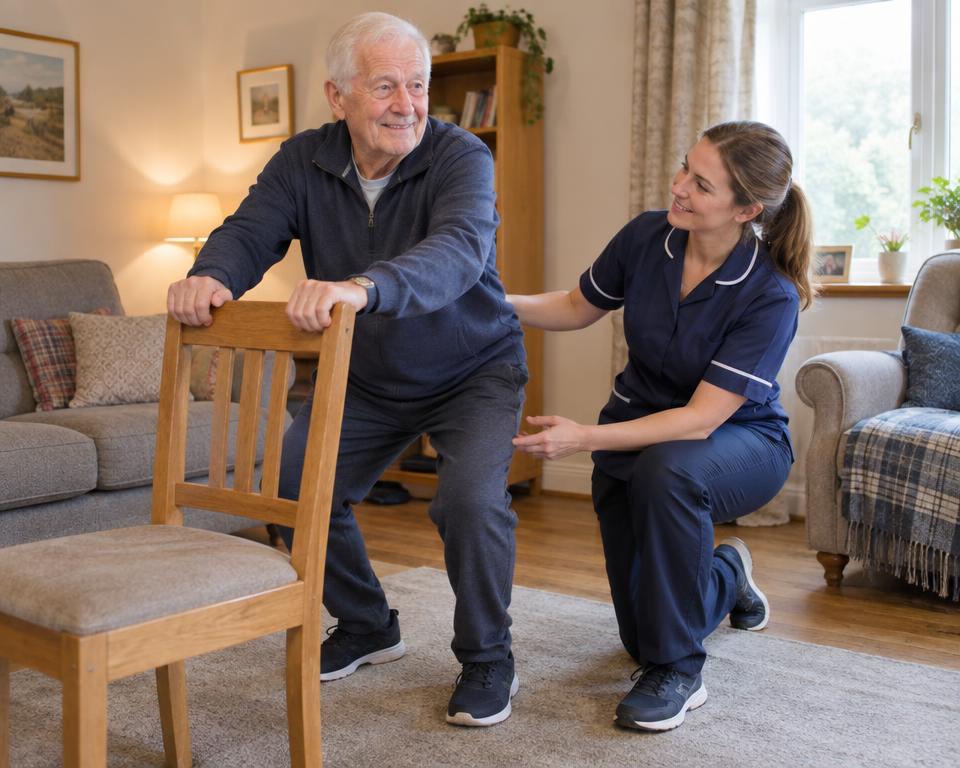
Physiotherapists may use weight-bearing exercises to restore loading, build strength, practise transfers, improve standing and retrain functional movement. The programme may begin with substantial support and progress as control improves.
Assessment can include pain, swelling, foot contact, alignment, muscle activity and confidence. The exercise is then shaped around the person’s goals and medical restrictions.
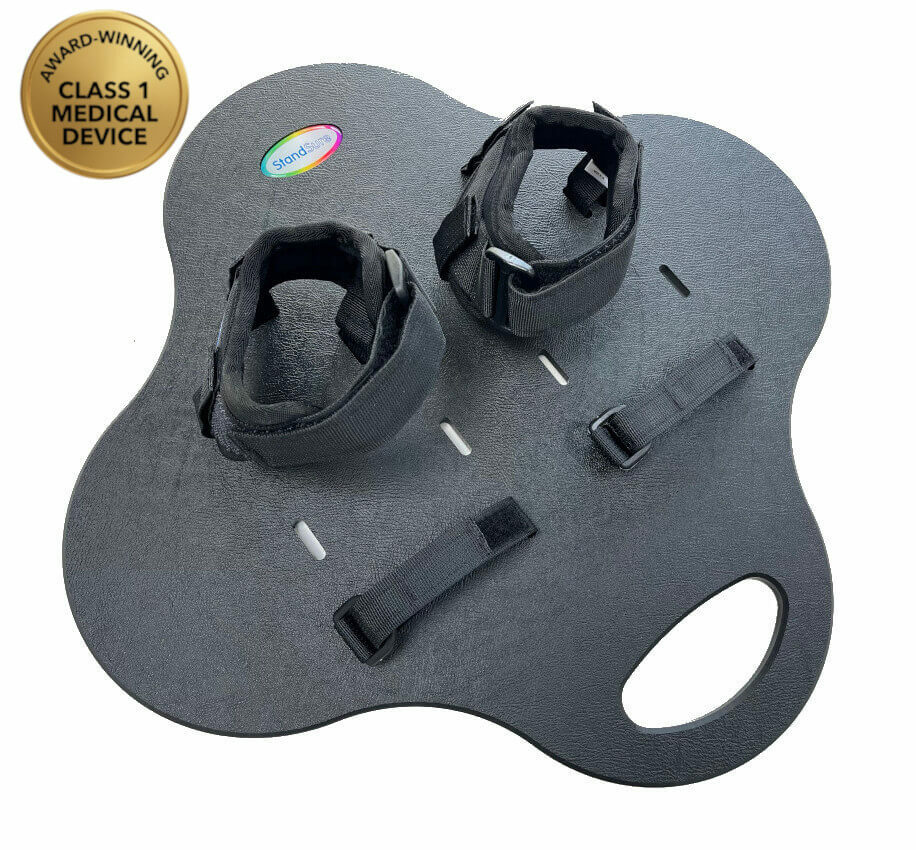
StandSure is designed to help keep the user’s feet grounded during seated, standing and sit-to-stand therapy where clinically appropriate.
StandSure is a rehabilitation aid with a footplate and adjustable ankle and toe straps. Its purpose is to support grounded foot positioning and a stable base of support during selected therapy activities. It may be considered for controlled standing, weight transfer, sit-to-stand practice and related rehabilitation exercises.
It does not increase bone density or cure weakness. Clinical judgement remains necessary. The treating professional should decide whether the device, the exercise and the loading level are appropriate.
A demonstration can help professionals and families understand set-up, sizing and appropriate use before making a decision.
Seek advice from a physiotherapist, doctor or other health care provider before progressing weight bearing if there are recent fractures, recent surgery, significant pain, unexplained weakness, major balance problems, neurological impairment or osteoporosis with fracture risk.
Anyone given non-weight-bearing, partial weight-bearing or protected weight-bearing instructions should follow the treating team’s plan. Stop and seek review if symptoms change suddenly. Safe progression is measured, individual and reassuringly practical.
They are activities where the body supports load against gravity, such as walking, standing or controlled squats.
Walking, stair practice, standing, some resistance training, dancing and selected yoga or Pilates positions may be weight bearing.
Yes. Each leg accepts body weight as it contacts the ground.
Yes. Squats load the lower limbs, although depth and support should suit the person.
Some standing or kneeling positions are weight bearing. Many mat exercises are not.
Some standing, kneeling or hand-supported positions are weight bearing. Others are not.
Appropriate mechanical loading may support bone adaptation, but results depend on the person and exercise programme.
They may form part of osteoporosis care, but fracture risk and exercise suitability require individual advice.
It means that loading through a limb is limited according to instructions from the treating health care provider.
It means the limb may accept load as advised, without a prescribed restriction.
They may help restore load tolerance, muscle activity, standing, transfers, walking and confidence.
Many older adults can benefit from appropriately adapted exercise, but medical history, strength, balance and restrictions must guide the plan.
Weight-bearing exercises can support muscle strength, bone health and functional movement when selected carefully. Walking, standing, squats and resistance work all place different demands on the body. Rehabilitation loading is a separate clinical instruction and must be followed closely.
Good foot position, suitable support and gradual progression help make exercise more controlled. For people with pain, surgery, fractures, osteoporosis or neurological conditions, professional guidance is the safest starting point.

Book a personalised demonstration of the StandSure™ today by filling out our request form. Have any questions? Call us now, and our team will be happy to assist!


