No products in the cart.


Hemiplegia is a neurological disorder that makes one side of the body paralysed or extremely weak. The Greek word for “half” is “hemi”, and “plegia” means “paralysis”. It usually affects one side of the body, like the arm, leg, or face. This disease happens when the brain or spinal cord is damaged, which messes up the signals that tell muscles to move. It can happen to people of any age, but it is most often linked to strokes in adults and birth defects like cerebral palsy in kids.
Cerebrovascular accidents are a common cause of hemiplegia, which affects thousands of people in the UK. Health statistics indicate that strokes are the cause of many cases. Every year, almost 100,000 people in the UK have a stroke, and a lot of them have hemiplegic symptoms. It can make it difficult to get around, be independent, and enjoy life, which can have a big impact on daily life. People may have trouble with simple tasks like walking, dressing, or eating, which can make them feel sad and angry.
People with hemiplegia, their carers, and their doctors all need to know what it is. Early intervention and careful management can have a big impact on outcomes, helping people get their lives back on track and adjust to their new situations. This article talks a lot about hemiplegia, including its types, causes, symptoms, diagnosis, treatments, complications, daily life tips, and new research. By putting together information from doctors and patients, we want to give readers a full resource that will help them learn and feel better.
Hemiplegia is a condition in which damaged nerve pathways make one side of the body unable to move on its own. There are two parts to the brain’s motor cortex. The left side of the brain controls the left side of the body, and the right side of the brain controls the right side. Contralateral means that damage to one hemisphere affects the other side.
It’s important to know the difference between hemiplegia and hemiparesis, which is a milder form of the disease. Hemiparesis means weakness rather than being completely paralysed. This means that some movement is still possible. In hemiplegia, the affected limbs may initially be entirely immobile, yet rehabilitation varies for each individual. Both diseases often stem from similar causes; however, hemiplegia generally indicates a more severe impairment.
Hemiplegia can be congenital, resulting from developmental anomalies at birth, or acquired later through injury or illness. For kids, it might mean that they don’t reach their milestones on time, like crawling or walking in a strange way. Adults, on the other hand, may suddenly start having symptoms, which are often accompanied by confusion or trouble speaking.
The illness can be mild, which means people can walk with a limp, or severe, which means they need help all the time. It’s very important to have good muscle tone. Muscles can become hypertonic (stiff) in some situations and hypotonic (floppy) in others. Because of this variability, doctors treat patients differently, and the chances of them getting better are different.
Hemiplegia affects more than just the body’s ability to move; it also changes how the brain processes sensory information. Many people say they feel different things on the side that hurts, like tingling or numbness. If the brain damage affects parts that control memory or language, it can also affect how well you think. Aphasia, which makes it difficult to talk, could happen at the same time as right-sided hemiplegia, which is caused by damage to the left brain.
Having hemiplegia is hard on both your mind and your body all the time. People can feel alone because of stigma, trouble getting help, and being dependent. But because rehabilitation has gotten better, many people are happy and do things like work, play sports, and spend time with their families. Charities and therapy groups are examples of support networks that are crucial for building resilience.
Hemiplegia is not just a physical problem; it’s a complicated condition that needs help from many people. Taking care of both their bodies and minds can help people become more independent and healthy.
By grouping hemiplegia by muscle tone, location, and the cause, doctors can better plan treatments.
The most common type is spastic hemiplegia. This type causes the muscles on the affected side to become stiff and tight due to increased muscle tone. This spasticity happens when the upper motor neurones are damaged. It makes reflexes stronger and makes it difficult to relax muscles. It usually affects kids with cerebral palsy, making them walk with their arm bent and their leg straight. Spastic shapes can make it difficult to do things like button clothes because they make it harder to use your hands and fingers.
On the other hand, flaccid hemiplegia makes the muscles less toned, which makes the arms and legs weak and floppy. This kind is less common and usually happens in the first few days after a stroke or accident, before spasticity sets in. Muscles feel weak, and joints may stretch too much, which makes it more likely that you will get hurt. If you don’t treat flaccid hemiplegia, it could get worse and become spastic hemiplegia.
When the right side of the brain is hurt, it can cause left-sided hemiplegia, which affects the left arm and leg. This can affect your spatial awareness and perception, causing you to overlook the left side. Hemineglect is a condition in which people ignore things or even their limbs on that side.
When the left side of the brain is hurt, it can cause right-sided hemiplegia, which usually affects language and logical thinking. People often have speech problems like slurring or having trouble finding words. They may also have mood swings that make them act on impulse.
Alternating hemiplegia is a rare condition in children that causes paralysis that moves from one side of the body to the other. Facial hemiplegia only affects the face. Knowing these types can help with prognosis: stretching therapy may work well for spastic forms, while strengthening activities may work well for flaccid forms.
In adults, stroke is the most common cause of hemiplegia. It happens when the central nervous system is not working right. Ischaemic strokes happen when blood clots block arteries, and haemorrhagic strokes happen when blood vessels break. Both of these types of strokes damage brain tissue and cause hemiplegia. Having high blood pressure, diabetes, or smoking are all things that can put you at risk.
Traumatic brain injuries (TBIs) that happen in accidents or falls can also cause hemiplegia by hurting or compressing neuronal connections. Perinatal traumas occurring postnatally, such as oxygen deprivation, contribute to congenital hemiplegia, often linked with cerebral palsy.
Meningitis and encephalitis are two infections that can cause inflammation in the brain, which can cause permanent damage. Tumours, whether benign or malignant, exert pressure on motor regions, mimicking stroke symptoms.
Genetic diseases, like hereditary spastic paraplegia (which can cause hemiplegia), cause nerves to slowly break down. Spasms in the blood vessels can cause short bouts of hemiplegic migraine and other types of migraines, but this is very rare.
Demyelinating diseases like multiple sclerosis hurt the coating around nerves, which stops signals. Rarely, injuries to the spinal cord or issues with blood vessels can cause hemiplegia.
Changes in lifestyle and medical treatment can help lower the number of cases by stopping the things that cause them.
The symptoms of hemiplegia vary, but they all involve weakness on one side of the body. In many cases, muscle weakness or full paralysis affects the arm more than the leg. This can make the shoulder drop or the foot drag.
When someone has spasticity, their body becomes stiff, which makes their arm curl in and their leg stretch stiffly. This makes them walk in a circle. The affected side may experience numbness, reduced temperature perception, or pain due to the loss of sensation.
If the face is involved, the person may drool, have a drooping face, and speak in a slurred way. If you have trouble keeping your balance, you’re more likely to fall, and if you’re worn out, your symptoms will get worse.
Cognitive issues like confusion or forgetting things can happen after a brain injury. In children, delayed development, such as favouring one hand over the other, may be an early symptom of hemiplegia.
People often go through emotional changes, such as worry or denial of their illness (anosognosia). Quick recognition makes it easier to act quickly.
The first steps in figuring out if someone has hemiplegia are to get a full medical history and do a physical exam. Neurologists use scales like the Modified Ashworth for spasticity to test muscle strength, reflexes, and coordination.
CT scans show where there are acute bleeds, and MRIs show exactly what is wrong with the brain. Imaging is very important. EEG can show if someone is having a seizure, and Doppler ultrasonography can check for problems with blood vessels.
A blood test can show that there are no infections or problems with how the blood clots. Genetic testing looks for reasons that kids were born with them.
Differential diagnosis eliminates conditions that resemble Bell’s palsy or migraines. Multidisciplinary input ensures accurate identification.
 The goal of treatment is to get the body back to normal, control symptoms, and avoid problems. The most important part of treatment is physiotherapy. It has exercises that will help you get stronger and more flexible and walk better. Constraint-induced movement therapy and other methods tell people to use the side that hurts.
Occupational therapy teaches people how to dress or cook in a way that works for them, which makes everyday tasks easier. People who have trouble talking can get help from speech therapy.
Muscle relaxants like baclofen are used to treat spasticity, and blood thinners are used to stop more strokes from happening. For a short time, Botox shots make muscles less stiff.
In severe cases, surgery might be an option, like tendon releases or deep brain stimulation.
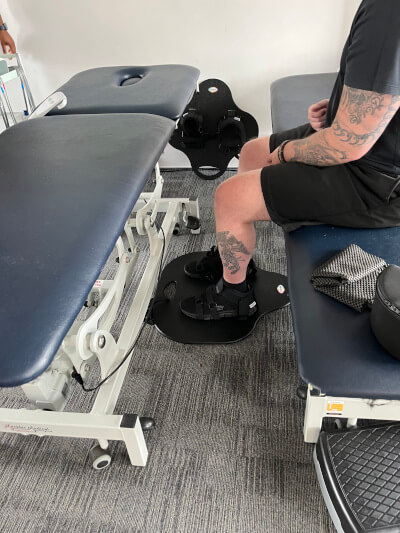
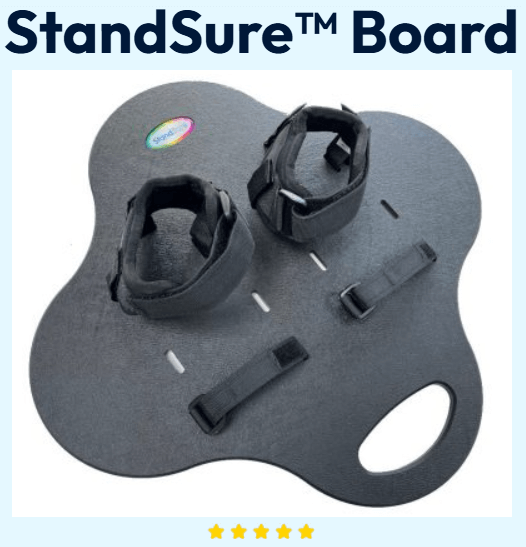
People can do more things on their own with assistive devices. Therapy can be very helpful with new tools like the StandSure sit-to-stand aid. They keep the feet stable so that the patient can bear weight and balance properly while doing standing exercises. This makes it easier for hemiplegic patients to recover by making it easier to keep their posture and move from sitting to standing.
Acupuncture and hydrotherapy are two examples of alternative therapies that work well with traditional ones. To get the best results, multidisciplinary teams work together to make sure that care is coordinated.
Untreated hemiplegia can result in contractures, a condition where joints become immobile, and pressure sores due to the inability to move. Not putting as much weight on your bones raises your risk of osteoporosis.
Weak muscles can lead to long-term pain, trouble holding in urine, and trouble breathing. Two psychological effects are depression and being alone.
Some people get better over time, but others will never be able to walk again. Regularly checking on things lowers risks.
It might be difficult to do things like cook or climb stairs with one hand. Changes include making kitchens easier to use and installing grab bars in bathrooms.
Walking frames and better-fitting clothes are examples of assistive gadgets that enhance people’s independence. Some mobility aids that help people move are wheelchairs and orthotics.
Counselling and peer groups are very important for getting emotional support. Exercise is good for your health, and vocational training can help you get back to work.
When family members are involved, things go more smoothly and the mood is better. Many people succeed even when faced with difficulties, especially if they adapt and make changes.
Studies on neuroplasticity use brain stimulation methods like TMS to change the way neurones connect with each other. Stem cell treatments aim to repair damaged tissue.
Robotics and virtual reality make rehabilitation better, while motor imaging techniques make the upper limb work better.
Genetic research concentrates on congenital factors, providing potential preventive strategies. Personalised medicine could be part of future treatments to make them work better.
It can be challenging to manage hemiplegia, but early diagnosis and good care can help. By learning about the causes of their problems and accepting adaptive living, people can get their freedom back. Ongoing research offers promise for new therapies, which shows how important it is to be aware of and help people with this condition.

Book a personalised demonstration of the StandSure™ today by filling out our request form. Have any questions? Call us now, and our team will be happy to assist!


