No products in the cart.
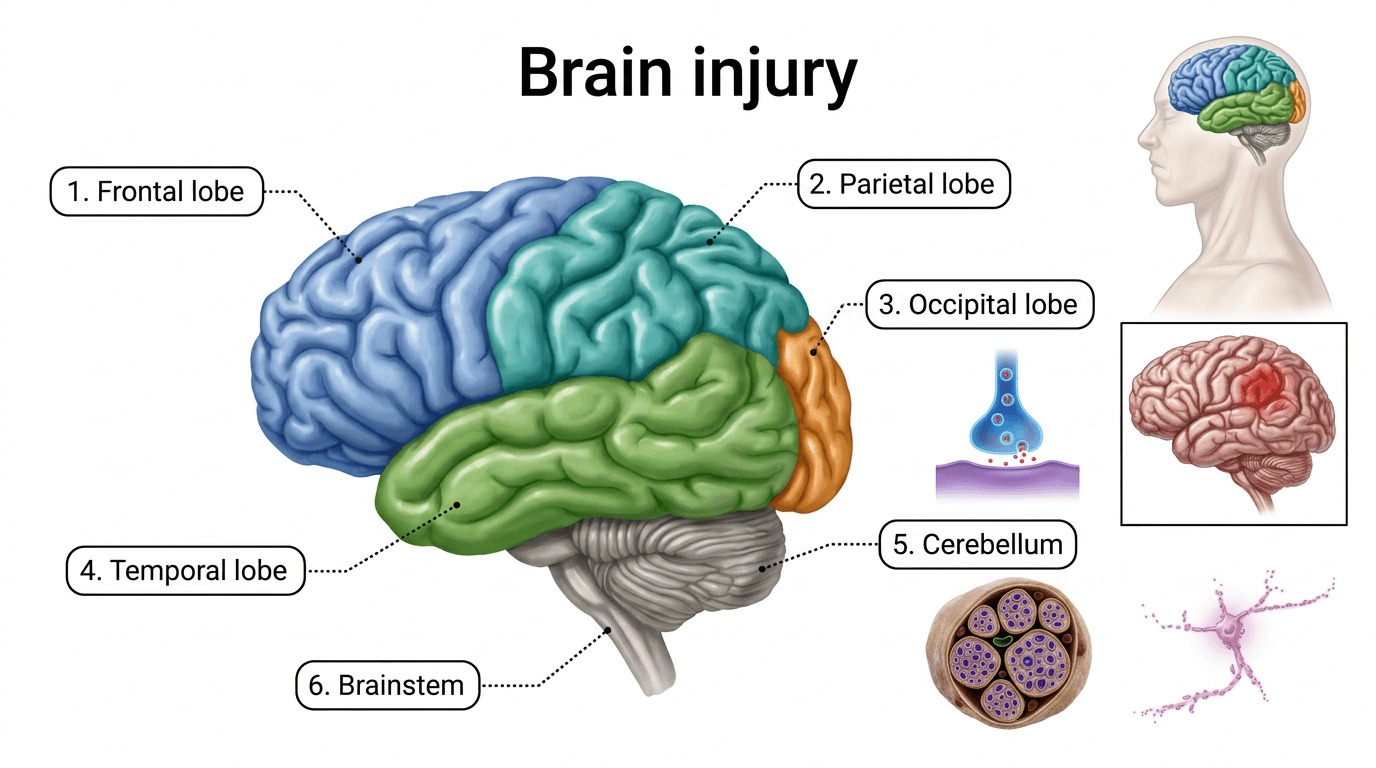

An Acquired Brain Injury (ABI) is an umbrella term for any damage to the brain that occurs after birth. It excludes hereditary or congenital conditions, progressive neurodegenerative diseases (for example Parkinson’s disease), and injuries sustained during the birth process.
The brain’s complexity means that even small areas of damage can cause important changes in function. Different regions govern movement, sensation, language and memory; the site and extent of injury therefore determine which abilities are affected and the likely severity of functional loss.
The brain is particularly vulnerable because of its delicate structure and high metabolic demands. Although it represents only about two per cent of total body weight, it consumes roughly twenty per cent of the body’s oxygen at rest; interruptions to oxygen or blood flow therefore cause rapid neuronal injury.
Clinicians recognise that acquired brain conditions present distinct challenges compared with developmental or degenerative disorders. The often sudden onset of ABI requires rapid assessment and targeted rehabilitation so individuals and families can begin adapting to new functional limitations and plan recovery goals.
For clinical clarity, acquired brain injuries are divided into two main categories based on mechanism: traumatic and non‑traumatic. This simple framework helps professionals select appropriate investigations, anticipate likely complications and plan targeted treatment and rehabilitation.
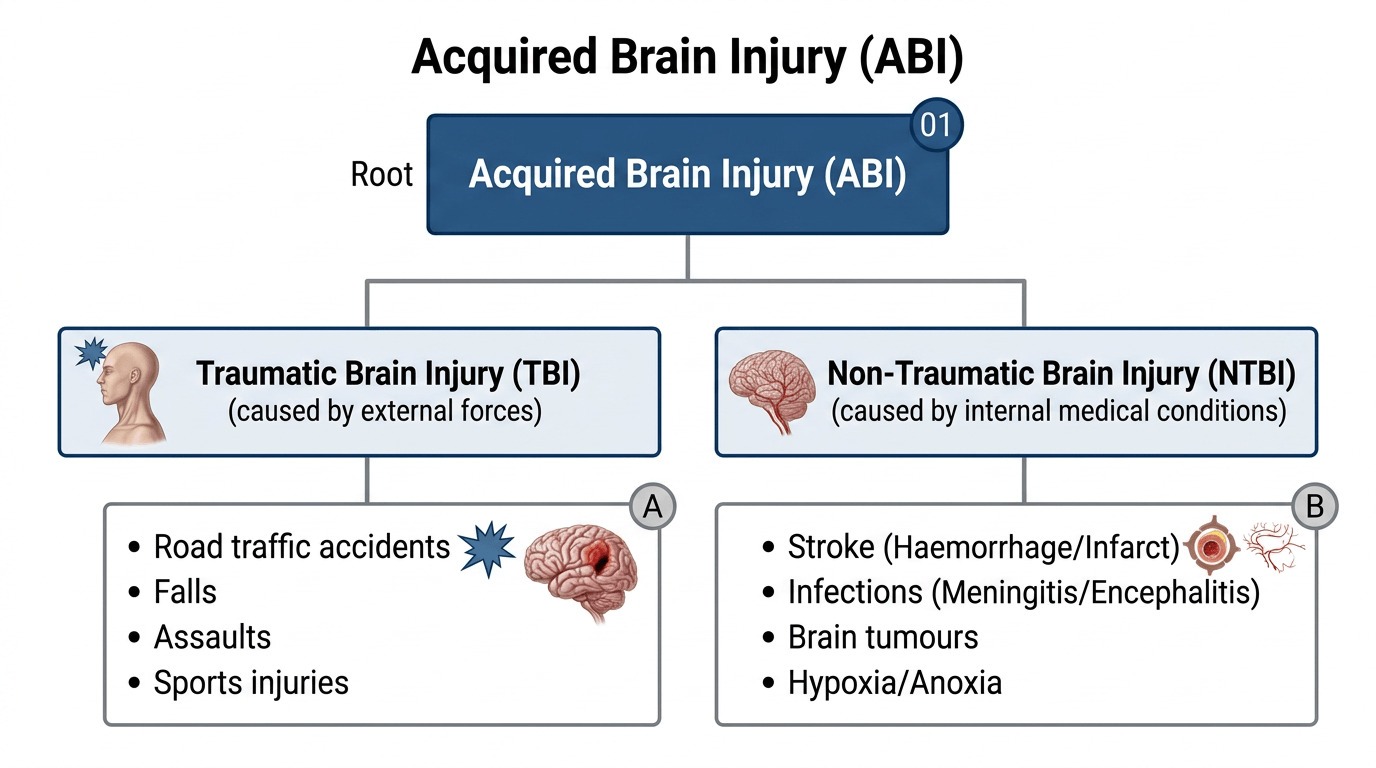
Classification influences immediate management decisions such as emergency response, the choice and timing of neuroimaging, and discussions with families about prognosis and likely rehabilitation needs. Knowing whether an injury arose from external force or an internal process alters expectations for cellular injury patterns, inflammatory response and recovery trajectory.
| Category | Description | Common Triggers | Typical Examples |
| Traumatic Brain Injury (TBI) | Injury caused by an external physical force that displaces, strikes or penetrates the skull | Falls, road traffic collisions, assaults, sporting impacts | Concussion, contusion, diffuse axonal injury, skull fracture |
| Non-Traumatic Brain Injury | Injury arising from internal or systemic processes affecting brain tissue | Vascular events, loss of oxygen, infection, mass lesions | Stroke, brain tumours, meningitis, global anoxia or prolonged hypoxia |
Traumatic brain injuries most often produce mechanical disruption of neural tissue, with focal lesions, haemorrhage and shearing of axons. Non‑traumatic injuries commonly reflect vascular, metabolic or infective processes that produce different patterns of cell injury and may require different acute treatments, for example thrombolysis or thrombectomy for ischaemic stroke.
Multidisciplinary teams—neurosurgeons, neurologists, rehabilitation physicians, therapists and specialist nurses—use this classification routinely when planning investigations and treatment. Clear, consistent terminology improves communication across services and supports timely, evidence‑based care.
Traumatic brain injury occurs when external physical force disrupts normal brain function. Severity ranges from mild, transient dysfunction to severe, long‑term disability. These injuries are an important public health issue and affect people of all ages and backgrounds.
Forces applied to the head produce complex injury patterns. The brain floats in cerebrospinal fluid within the rigid skull; during rapid acceleration or deceleration it moves independently and can strike the inner skull surface. This produces focal bruising, rupture of blood vessels and stretching or shearing of nerve fibres.
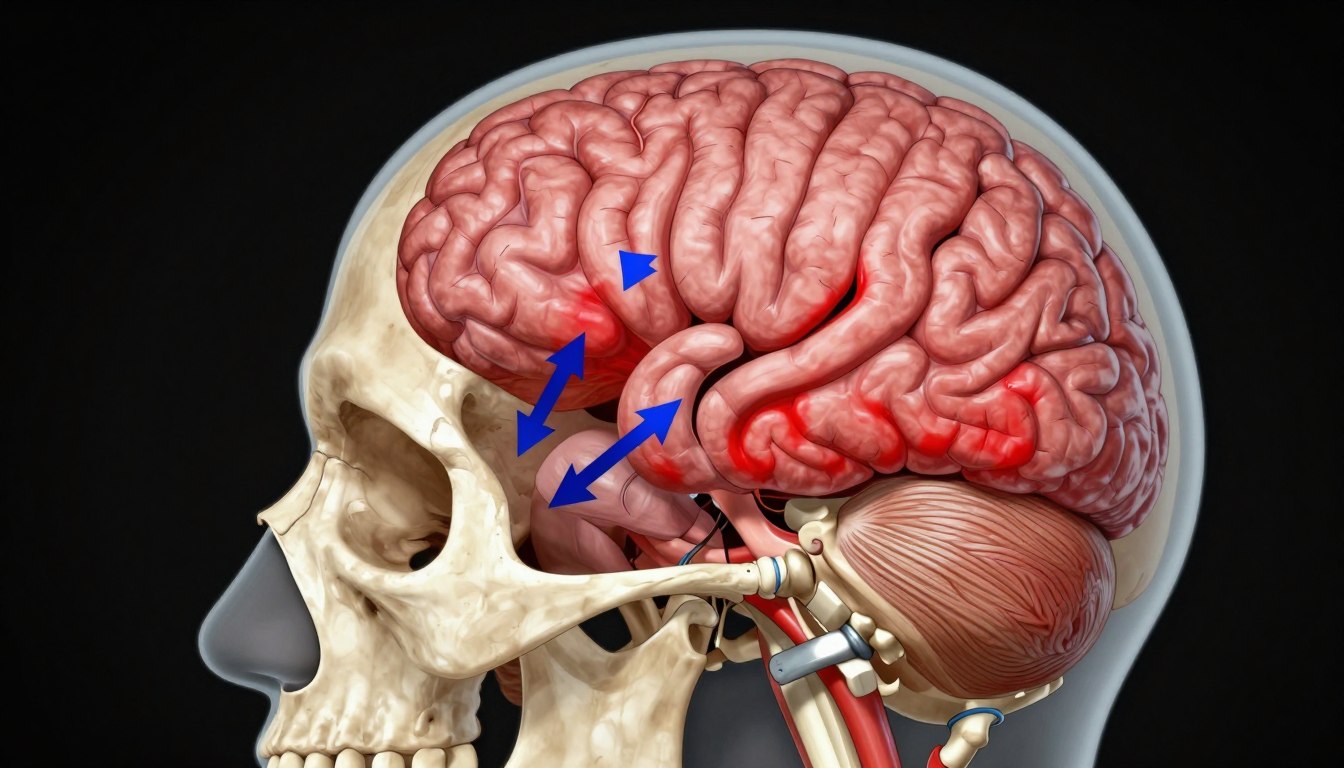
Clinicians further sub‑classify traumatic brain injuries as closed‑head or penetrating depending on whether the skull remains intact. This distinction affects infection risk, surgical indications and prognosis, and guides acute management decisions.
Closed‑head injuries are the most common type of traumatic brain injury. Although the scalp and skull may appear uninjured, internal damage such as bruising and axonal injury can be substantial. Initial appearance may therefore underestimate severity, so careful clinical assessment and observation are essential.
Concussion describes a mild traumatic brain injury caused by a direct blow or rapid head movement. It transiently disrupts neuronal function and brain chemistry without usually producing visible structural damage on standard imaging. Symptoms typically include headache, confusion, dizziness, nausea and sensitivity to light or noise.
Memory problems and difficulty concentrating are common in the hours and days after injury. Symptoms usually improve over days to weeks with rest and graded return to activity, although a minority experience persistent symptoms that benefit from specialist assessment and targeted rehabilitation.
Repeated episodes of mild injury raise concern because cumulative effects can lead to long‑term cognitive and neurodegenerative changes. This evidence has informed modern sport and workplace protocols that prioritise early recognition, removal from risk and staged return‑to‑activity.
A contusion is a focal bruise of brain tissue caused by direct impact. Rupture of small vessels at the impact site produces local bleeding and swelling; these changes are often visible on CT or MRI. Clinical effects depend on contusion size and location, with larger lesions more likely to cause lasting deficits.
Because the skull is rigid, even moderate swelling can compromise blood flow to adjacent tissue and worsen injury. Contusions commonly occur at the site of impact (coup) and at the opposite side (contrecoup) when the brain rebounds within the skull. The frontal and temporal lobes are particularly vulnerable in these mechanisms.
Diffuse axonal injury (DAI) results from shearing forces during rapid acceleration or deceleration, such as in high‑speed road collisions. Widespread stretching and tearing of axons disrupts communication between brain regions and often produces profound impairment of consciousness.
DAI may not produce large focal lesions visible on early CT scans; advanced MRI sequences are more sensitive for detecting white matter injury. Clinically, DAI is associated with prolonged unconsciousness, and recovery—when it occurs—tends to be slow and incomplete, requiring prolonged multidisciplinary rehabilitation.
Penetrating injuries occur when an object breaches the skull and brain tissue. Projectiles, bone fragments or impaled debris damage structures along their path and carry a high risk of infection. Management typically requires urgent neurosurgical assessment to remove accessible foreign material, control haemorrhage and reduce infection risk.
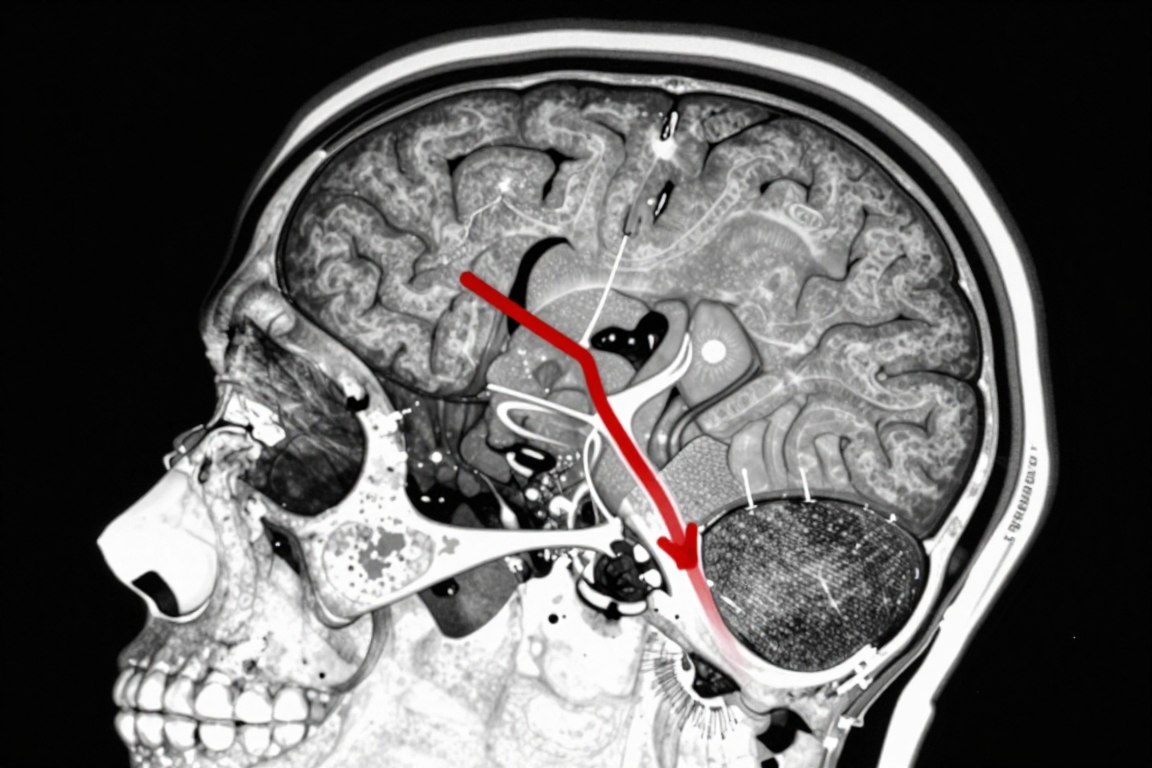
The clinical outcome after penetrating injury depends on the object’s velocity, size and trajectory. High‑velocity projectiles produce shock waves and cavitation that extend damage beyond the direct path, while lower‑velocity injuries may be more localised but have higher infection risk. Surgical priorities are haemorrhage control and debridement; functional recovery relies heavily on subsequent rehabilitation since neural repair is limited.
Non‑traumatic brain injuries arise from internal medical processes rather than external force. They may present suddenly or follow an evolving disease course. Early recognition and rapid treatment are central to limiting damage, while prevention focuses on managing underlying risks.
The brain depends on uninterrupted blood flow and oxygen delivery. Even brief interruptions can cause irreversible neuronal injury, and metabolic or toxic disturbances may quickly compromise widespread brain function. Prompt clinical assessment and supportive care therefore remain priorities for all suspected non‑traumatic events.
Stroke is a leading cause of acquired brain injury in the United Kingdom and worldwide. It occurs when blood supply to a region of the brain is interrupted or when a blood vessel ruptures. Rapid hospital assessment is vital because timely interventions can reduce the extent of permanent injury.
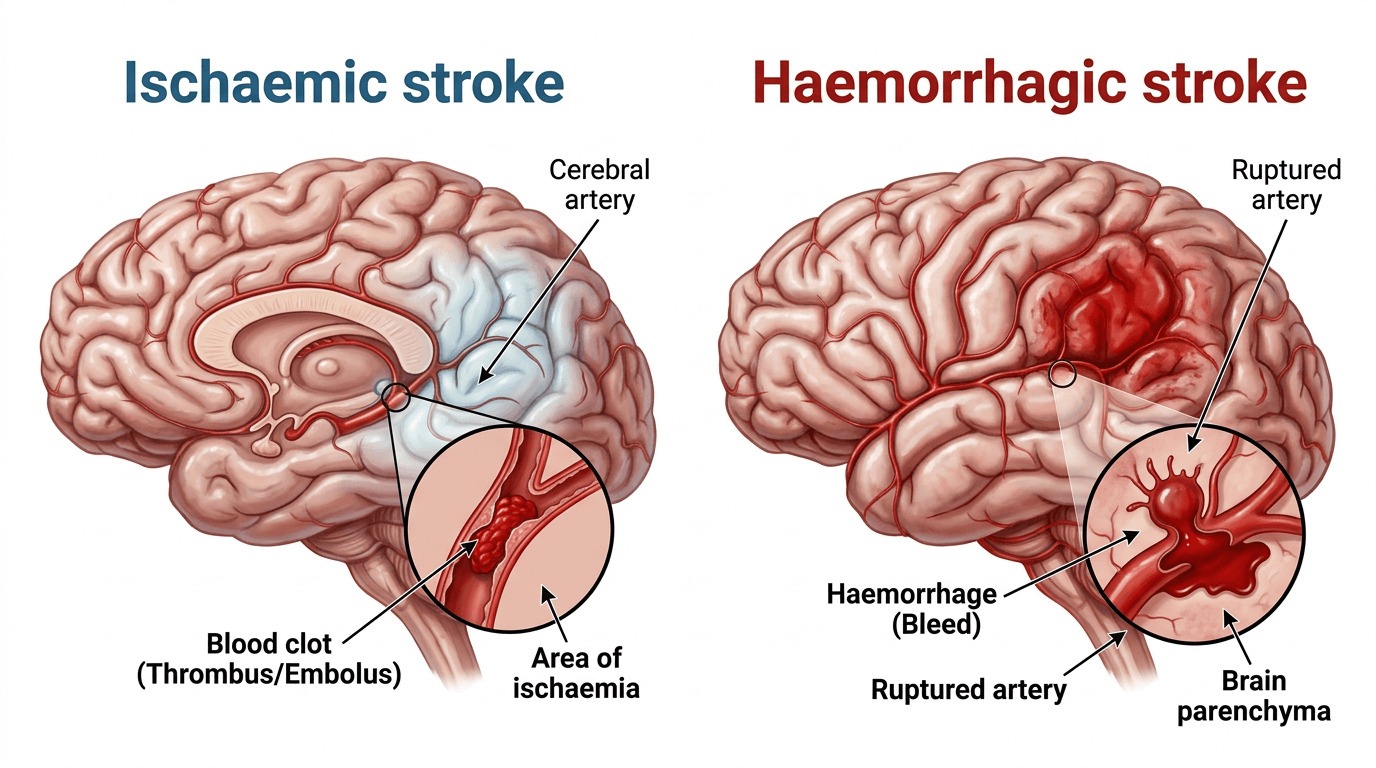
An ischaemic stroke results from an arterial occlusion that deprives brain tissue of oxygen and nutrients. This type accounts for the large majority of strokes. The occlusion may be thrombotic (local clot) or embolic (clot from elsewhere). Surrounding the infarct core is the penumbra: tissue at risk that may be salvageable if blood flow is restored quickly.
Acute treatments—thrombolysis or mechanical thrombectomy—aim to restore perfusion to the penumbra and limit permanent loss. Primary prevention addresses modifiable risks such as hypertension, atrial fibrillation, diabetes, hyperlipidaemia and smoking; secondary prevention reduces recurrence risk through medical therapy and lifestyle measures.
Haemorrhagic stroke follows rupture of a cerebral vessel, producing bleeding inside the brain and raised local pressure that injures surrounding tissue. Common causes include ruptured aneurysms and arteriovenous malformations, with long‑standing hypertension a major predisposing factor.
Presentation may include sudden severe headache, reduced consciousness or focal neurological deficits. Management focuses on stabilising the patient, controlling blood pressure, reducing intracranial pressure and, where appropriate, surgical or endovascular repair. Haemorrhagic strokes generally carry higher early mortality than ischaemic strokes, but survivors may achieve meaningful recovery with specialist care and rehabilitation.
The brain’s high energy demand renders it highly sensitive to oxygen loss. Complete oxygen deprivation rapidly leads to cellular injury; the exact time to irreversible damage varies with circumstances, but prompt restoration of oxygenation and circulation is essential to reduce long‑term harm.
Anoxia denotes near‑complete loss of oxygen delivery to the brain. Typical causes include cardiac arrest, airway obstruction and severe respiratory failure. Global anoxic injury affects the whole brain and commonly produces severe, often widespread, cognitive and motor impairments in survivors.
Hypoxia describes partial reduction in oxygen availability and may occur with carbon monoxide poisoning, smoke inhalation, high‑altitude exposure, severe asthma or prolonged respiratory compromise. Carbon monoxide is particularly dangerous because it impairs oxygen carriage despite normal respiration. The pattern and severity of deficits depend on duration and degree of deprivation.
Treatment of anoxic and hypoxic injuries prioritises airway, breathing and circulation. Emergency services aim to restore oxygen delivery and circulation promptly; targeted interventions such as therapeutic cooling are considered in selected resuscitated patients to reduce secondary injury. Functional outcomes vary widely: some individuals make good recoveries, while others have persistent cognitive, motor or sensory deficits.
CNS infections cause inflammation that can rapidly damage neural tissue; early antimicrobial therapy is critical. Bacterial meningitis is a medical emergency that requires immediate treatment, while viral encephalitis—particularly herpes simplex encephalitis—benefits from early antiviral therapy.
Meningitis causes inflammation of the meninges and often presents with fever, severe headache, neck stiffness, photophobia and altered mental state. In infants presentation may be nonspecific. Bacterial meningitis progresses rapidly and is treated empirically on suspicion while diagnostic tests are arranged.
Encephalitis involves inflammation of brain parenchyma itself. Clinical features include fever, headache, confusion, seizures and focal neurological signs. Early diagnosis and specific antiviral or immunomodulatory therapies improve outcomes in many causes.
Space‑occupying lesions such as tumours injure the brain by compressing surrounding tissue and by direct invasion. Any intracranial mass increases intracranial pressure and may cause focal deficits, headaches and changes in cognition or behaviour.
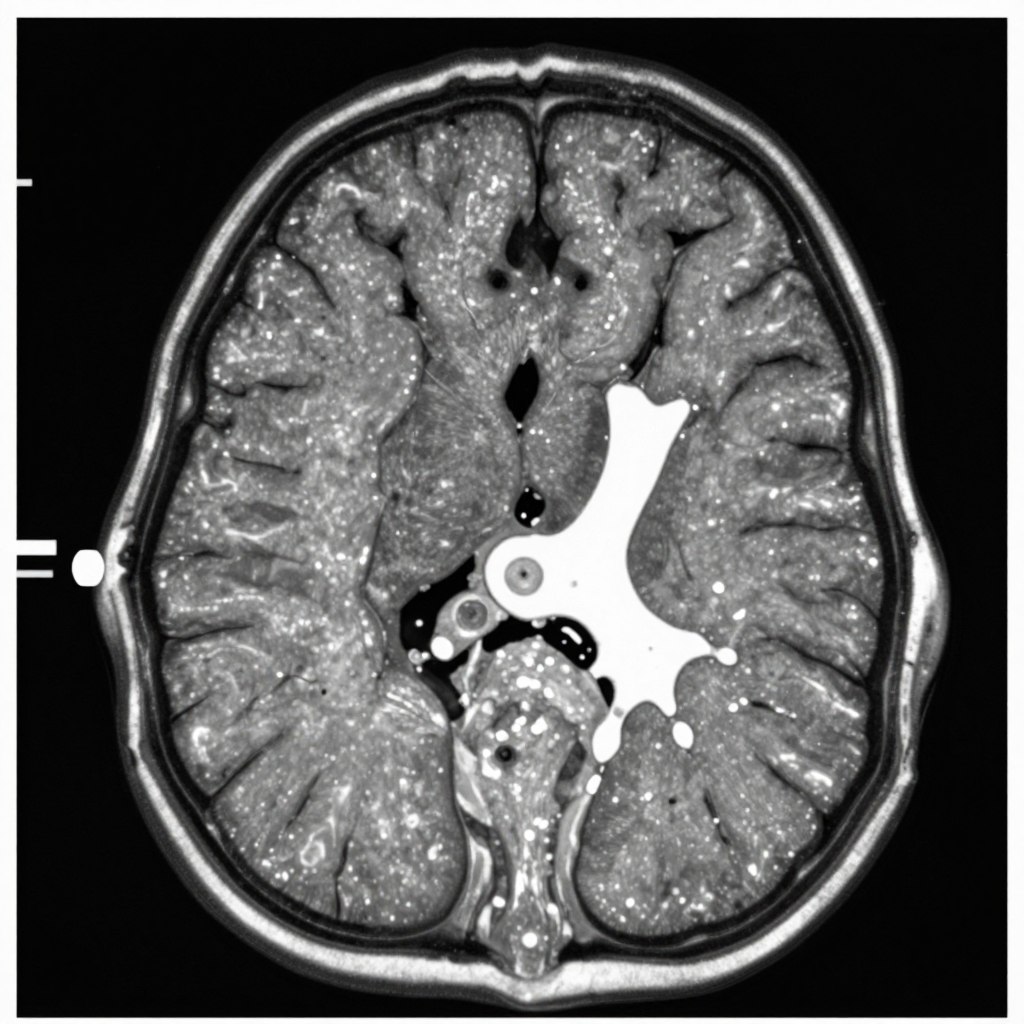
Treatment depends on tumour type, location and grade and may include surgery, radiotherapy and chemotherapy. The clinical features vary with tumour site; for example, frontal tumours commonly affect personality and executive function, while temporal lesions may present with seizures and memory problems.
Toxins and severe metabolic derangements can produce acute and chronic brain injury. Prevention and early management are therefore critical components of care.
Chronic alcohol misuse causes nutritional deficiency (notably thiamine) and structural brain injury, particularly affecting memory systems. Illicit stimulants may cause vascular injury and direct neurotoxicity. Acute poisonings—from pesticides, solvents or medication overdose—require rapid decontamination and supportive care. Carbon monoxide exposure is preventable with detectors and public education.
Severe metabolic disturbances—profound hypoglycaemia or hyperglycaemia, electrolyte imbalance, hepatic or uraemic encephalopathy—can impair consciousness and cause brain injury if prolonged. Prompt identification and correction of the underlying metabolic abnormality can prevent permanent damage.
Acquired brain injury alters many aspects of life: physical ability, thinking and memory, emotional regulation, communication and social relationships. The impact extends beyond the individual to family members, carers and wider social networks. Clear understanding of these effects supports appropriate clinical care and practical family support.
No two brain injuries are identical. Outcomes depend on injury site and severity, pre‑injury function, age and other individual factors. This variability means rehabilitation must be personalised, targeting each person’s specific problems and strengths.
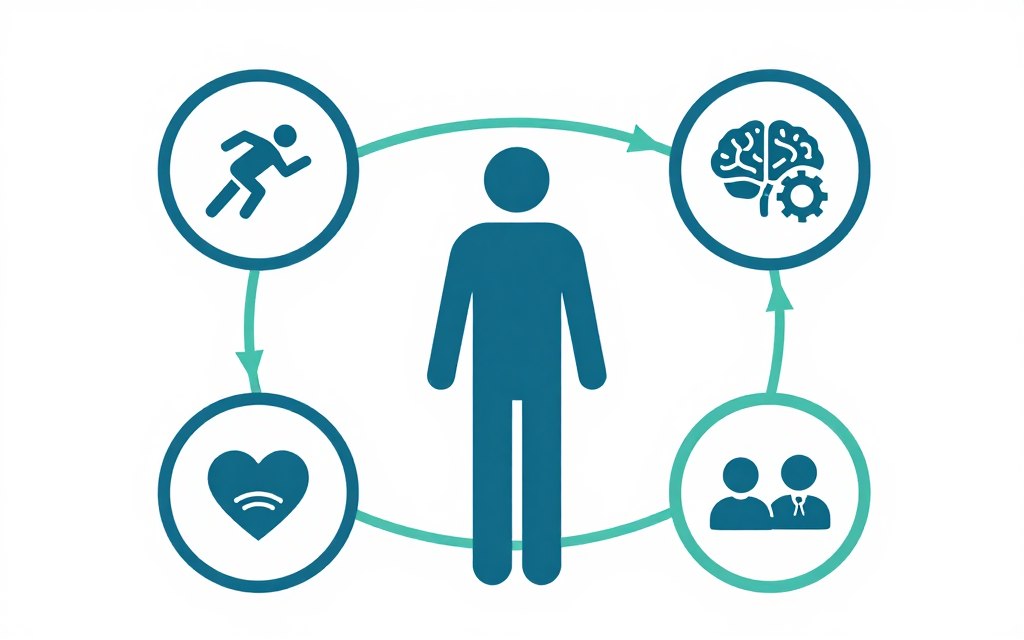
Physical consequences range from subtle coordination problems to hemiplegia or more widespread paralysis. Injury to the motor cortex affects voluntary movement; cerebellar damage disrupts balance and coordination; brainstem injury can impair breathing and autonomic control. Common issues include weakness, reduced coordination, balance problems and spasticity that can cause pain and limit function.
Fatigue is frequently reported and often underestimated. After brain injury the mind and body need more energy to perform routine tasks, so ordinary activities can produce marked tiredness that worsens through the day and limits participation in work, education and social life.
Cognitive impairments commonly affect attention, processing speed, planning and problem‑solving. These ‘invisible’ problems may be hard for others to see but have major practical consequences. For example, difficulty dividing attention can make following conversations or driving unsafe; slowed processing may lengthen time needed to complete work tasks.
Memory problems appear in several forms. Short‑term memory or working memory deficits make it hard to retain information for immediate tasks. Anterograde memory impairment hinders learning new facts, while retrograde loss may affect memories formed before the injury. Prospective memory (remembering future tasks like taking medication) is often compromised, increasing risk of missed appointments or treatment errors.
Injury frequently affects emotional regulation. Frontal‑lobe damage may produce impulsivity, irritability or disinhibition; mood disorders such as depression and anxiety are more common after brain injury than in the general population. Emotional lability—rapid, exaggerated mood shifts—is distressing for both the person affected and their family.
Personality change can be one of the most challenging outcomes for relatives to accept. A previously patient person may become easily angered or apathetic. These changes arise from neurological damage rather than intentional behaviour; understanding this distinction helps families respond with compassion and realistic expectations.
Language deficits depend on lesion location. Aphasia—difficulty producing or understanding language—may affect word finding, sentence construction or comprehension. Dysarthria, a motor speech disorder, causes slurred or effortful speech despite intact language knowledge. Pragmatic difficulties (using language socially) can impair conversation, causing social isolation despite preserved basic language skills.
Sensory disturbances may include partial loss of vision, visual field defects, impaired depth perception or hearing problems. Taste and smell changes are common and can reduce appetite and enjoyment of food. Perceptual disorders—such as difficulty recognising faces or judging distances—affect daily activities like navigation and social interaction. Some people become oversensitive to light, sound or touch, which contributes to fatigue and stress.
Brain injury in childhood raises specific concerns because the brain is still developing. Children may show early recovery yet later ‘grow into’ deficits as new developmental demands reveal impairments. Common consequences include delays in milestones, speech and language difficulties, attention and learning problems, and emotional or social challenges.
Children require long‑term monitoring and coordinated educational support. Families need guidance on balancing protection with opportunities for independence. Schools should receive information about the child’s difficulties and recommended classroom adjustments to support learning.
For many people, living with a brain injury is a lifelong process of adaptation. Persistent problems such as fatigue, reduced processing speed and difficulty multitasking often affect employment prospects. Invisible impairments can lead to misunderstanding by employers and peers, creating barriers to returning to work or education.
Relationships and family roles frequently change. Partners may assume caring responsibilities; friendships can diminish as social activities become more demanding. Financial pressures from lost income, ongoing care needs and equipment or home adaptations add further strain. Many families find navigating benefits and support systems challenging without specialist advice.
Despite these difficulties, many individuals and families achieve a good quality of life through rehabilitation, environmental adjustments and peer or community support. Understanding the typical effects—memory problems, fatigue, communication and behavioural changes—enables targeted interventions that improve everyday functioning and wellbeing.
Rehabilitation is central to recovery after acquired brain injury. Programmes address physical, cognitive, emotional and social needs through coordinated interventions. A multidisciplinary team develops an individualised plan that targets each person’s priorities and functional goals.
Recovery timelines vary: some people make rapid gains in the months after injury, while others improve gradually over years. Neuroplasticity—the brain’s ability to reorganise and form new connections—underpins progress. Repetitive, task‑specific practice and active participation in therapy optimise the chances of meaningful recovery.
Expert assessment and comprehensive rehabilitation planning help maximise recovery potential. Speak with rehabilitation specialists to discuss individual therapy needs and treatment options for acquired brain injury.
Effective rehabilitation depends on close collaboration between disciplines. Typical team members include rehabilitation physicians or neurologists, physiotherapists, occupational therapists, speech and language therapists, neuropsychologists and specialist nurses. Social workers and case managers coordinate community services and practical supports. Family members are essential partners, offering information about pre‑injury function and helping to embed therapy goals in daily life.

Regular multidisciplinary meetings ensure treatment plans remain coherent as priorities change. Planning the transition from hospital to community services is vital to protect gains made during intensive therapy and to maintain continuity of care.
Physiotherapy targets gross motor skills, balance, strength, posture and functional mobility. Early mobilisation reduces secondary complications such as contractures, pressure sores and chest infections. Assessments consider muscle strength, tone, coordination and walking ability; goals focus on meaningful activities, for example safe transfers, independent walking or returning to valued leisure pursuits.
Interventions combine hands‑on treatment with progressive exercise and functional training. Manual therapy addresses stiffness and joint restriction; stretching and positioning prevent contractures. Strengthening uses graded resistance while balance training progresses from simple to challenging tasks to reduce fall risk.
Gait retraining analyses walking mechanics and introduces compensatory strategies or assistive devices (frames, canes, orthoses) when required. The overall aim is the highest achievable level of independent mobility consistent with safety and endurance.
Specialist equipment supports repetitive practice and safe task performance. Thermally controlled supports, harnesss‑assisted treadmills, robotic devices, and functional electrical stimulation provide additional options where available.
StandSure Therapy is an example of a supported‑standing aid used within physiotherapy programmes for people with impaired standing ability. It provides stable weight‑bearing practice, supports postural control and enables therapists to train reaching, weight shift and transfer tasks safely.
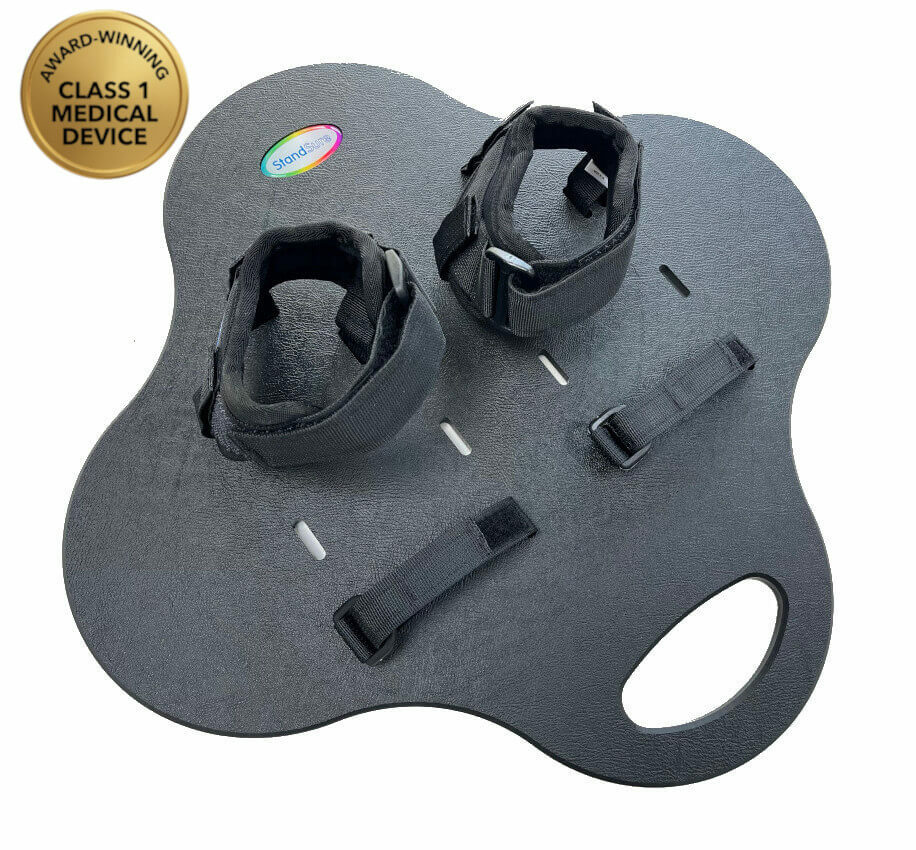
Supported standing provides physiological benefits—weight‑bearing helps preserve bone density and circulation, may reduce spasticity and supports respiratory and digestive function. The upright position also has psychological benefits, enabling social engagement at eye level.
Physiotherapists integrate standing practice within broader programmes so that gains translate into daily activities such as reaching, transferring and dressing.
Therapists set usage parameters based on assessment, starting with short sessions and increasing duration as tolerance improves. The device supports practice of functional tasks in a safe, supported posture and permits collaboration across disciplines—occupational therapists can work on upper‑limb tasks while speech therapists use the upright position for voice and swallow work.
Family training is a key part of implementation: carers learn safe setup, appropriate assistance levels and home activities that extend therapy benefits beyond clinic sessions.
Occupational therapy restores the skills needed for self‑care, work and leisure. Therapists assess task performance and the environment, teaching adaptive techniques and recommending aids—modified utensils, grab bars, shower seats—or environmental changes to increase independence and safety.
Cognitive rehabilitation is core to occupational therapy and addresses attention, memory and executive skills. Compensatory strategies (calendars, alarms, checklists) and graded restorative tasks promote skill recovery within functional contexts. Vocational assessment and graded return‑to‑work programmes support employment goals.
Speech and language therapists treat communication disorders and swallowing difficulty. Aphasia therapies target word retrieval, syntax and comprehension, while dysarthria programmes work on articulation, breath support and voice. Cognitive‑communication therapy addresses organisation, topic maintenance and interpreting non‑literal language—skills crucial for social participation and work.
Swallowing assessment reduces aspiration risk. Therapists recommend safe diets, positioning strategies and compensatory techniques; severe dysphagia may require temporary enteral feeding during recovery.
Neuropsychological assessment clarifies cognitive strengths and weaknesses and informs individualised cognitive rehabilitation. Restorative training and compensatory techniques support everyday function. Psychological therapy treats mood disorders, supports adjustment and addresses behavioural problems such as impulsivity or apathy. Family counselling and peer support reduce isolation and improve coping.
Medical treatment targets complications and symptom control. Seizures are managed with anti‑epileptic drugs and monitoring; spasticity may respond to oral agents, botulinum toxin injections or intrathecal baclofen in selected cases. Pain management combines pharmacological and non‑pharmacological approaches to limit reliance on opioids.
Psychotropic medications treat depression, anxiety or mood instability, with careful selection to minimise cognitive side effects and interactions. All medication choices are integrated into the overall rehabilitation plan and reviewed regularly.
Rehabilitation is delivered across settings selected according to medical stability and rehabilitation goals. Acute inpatient programmes offer intensive, multidisciplinary therapy for people needing 24‑hour medical care. Post‑acute or residential services provide sustained therapy with a focus on community re‑integration. Outpatient and home‑based services offer flexibility for ongoing therapy and family involvement; community programmes support real‑world skills such as transport use and shopping.
Technologies expand therapeutic options. Virtual reality creates safe, motivating environments for motor and cognitive practice. Robotic devices provide high‑dose, repetitive limb training with precise feedback. Functional electrical stimulation produces functional movements to aid relearning and strength. Telehealth extends access to specialist clinicians for assessment, monitoring and home‑based guidance.
Standardised outcome measures guide treatment and document progress. Functional independence scales track self‑care and mobility; cognitive tests quantify attention, memory and executive function. Goal attainment scaling measures progress against personally meaningful targets, and participation measures assess return to work, social roles and leisure—important indicators of life quality beyond impairment scores.
Regular review ensures rehabilitation remains focused on priorities and adapts to changing needs. Combining objective measures with patient‑centred goals provides the clearest picture of benefit and informs decisions about continuing, intensifying or adapting therapy.
Life after brain injury extends well beyond the period of formal rehabilitation. Many people require ongoing management of residual impairments and adjustments to daily routines. Community services, peer support and practical family resources are essential to long‑term wellbeing and participation in meaningful activities.
The transition from structured inpatient care to community living can be difficult. Therapy timetables end, professional input reduces and everyday responsibilities increase—many individuals and families feel insufficiently prepared for this change. Planned, gradual handover to community services and clear follow‑up arrangements reduce the risk of avoidable setbacks.
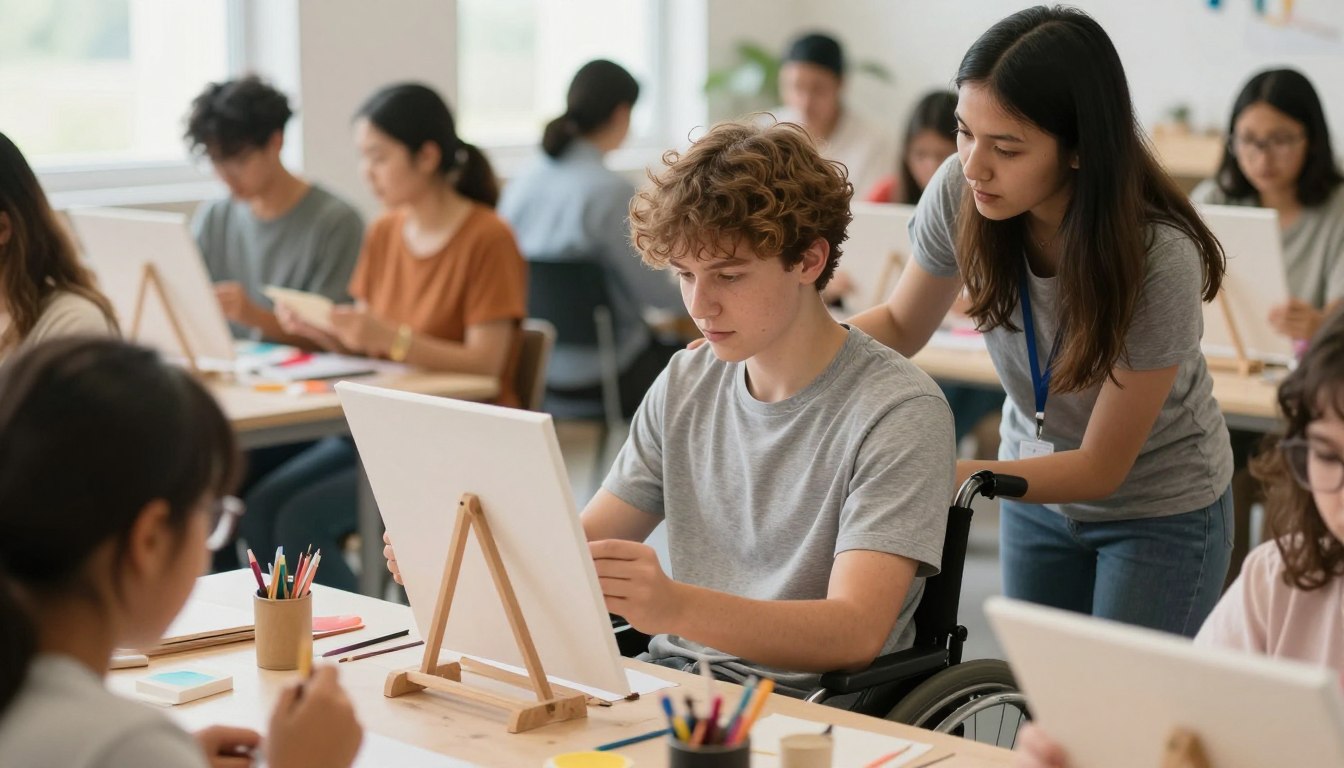
Maintenance therapy helps preserve gains achieved during intensive rehabilitation. Sessions are typically less frequent but focus on problem‑solving new difficulties, adapting strategies as life circumstances change and reinforcing independent practice. Continued professional contact also provides psychological support during challenging periods.
Periodic reassessment identifies emerging needs as individuals tackle more complex activities. For example, returning to driving or commuting may reveal cognitive or sensory limitations not apparent during basic mobility training; targeted assessment and retraining can address these barriers.
Regular exercise is a long‑term priority. Community options—adapted fitness classes, aquatic programmes and specialised neurological exercise groups—support strength, balance and cardiovascular health while improving mood, sleep and cognition.
Assistive technology compensates for residual difficulties and enhances independence. Memory aids range from simple diaries and alarms to electronic organisers with reminders. Mobility devices enable safe access to community spaces, and communication aids support people who are non‑verbal or have reduced speech clarity.
Home adaptations reduce environmental barriers. Ramps, widened doorways and adapted bathrooms support mobility; simple changes such as clear labelling and task‑specific equipment promote independence. Smart home systems can provide medication reminders, control lighting and appliances, and support safety monitoring.
Obtaining equipment and adaptations often involves navigating complex funding pathways. Occupational therapists perform home assessments and recommend specific modifications. Charities and local disability services may help meet costs not covered by statutory provision; timely investment in appropriate supports reduces hospital readmissions and sustains independent living.
Employment is an important goal for many working‑age people following brain injury. Work provides income, routine, social connection and a sense of purpose. Cognitive and physical impairments frequently require job adjustments or phased return‑to‑work plans.
Vocational rehabilitation assesses skills and limitations through testing and graded work trials. Supported employment and job coaching help match roles to ability, while workplace adaptations—flexible hours, quiet workspaces, assistive technology—allow people to contribute effectively. For some, volunteering provides meaningful engagement and can form a stepping stone back into paid work.
Children and young people need coordinated support across home, school and health services. Educational planning begins with a detailed assessment of learning strengths and difficulties and leads to an individualised education plan with specific accommodations.
Practical classroom adjustments include preferential seating, extended time for tasks and modified curriculum expectations. School‑based therapy services—speech and language, occupational therapy and physiotherapy—support learning and participation within the educational setting.
Transition planning for older adolescents should start early. Vocational assessment, independent living skills training and linkage to adult services must be arranged before paediatric provision ends to prevent gaps in care.
Family caregivers provide the majority of long‑term support for people with significant impairments. This role can affect carers’ physical health, mental wellbeing, employment and finances. Supporting carers is therefore essential to sustain home‑based care.
Respite services (in‑home assistance, day programmes or short‑term residential care) provide necessary breaks. Carer training teaches safe handling techniques, behaviour management strategies and approaches that promote independence rather than dependence. Financial and legal planning—benefit advice, lasting powers of attorney and future care directives—helps protect long‑term interests.
Peer groups connect people with lived experience of brain injury and provide practical advice, emotional support and shared problem solving. Groups may focus on survivors, parents, partners or specific issues such as returning to work.
Charitable organisations play a vital role in information provision, advocacy and service delivery. They offer helplines, local networks and practical resources that complement statutory healthcare and social care services.
StandSure Therapy provides evidence‑based physiotherapy equipment used in rehabilitation to support standing balance and postural training. Consider how specialist devices may be incorporated within an individualised programme under professional supervision.
People with brain injury face increased risk of secondary health issues—seizures, chronic pain, mood disorders and substance misuse. Regular medical follow‑up detects emerging problems early and allows prompt management.
Healthy lifestyle measures support overall wellbeing: sufficient sleep, regular physical activity, balanced nutrition and stress management all contribute to brain health and reduce the risk of further problems. Fall prevention, use of appropriate protective equipment and avoidance of high‑risk activities (for example contact sports after significant head injury) reduce reinjury risk.
Research continues to improve understanding of brain injury mechanisms and to evaluate new treatments. Advances in neuroimaging reveal subtler patterns of damage; biomarker work may eventually improve early diagnosis and prognostication. Novel therapies under investigation include neurostimulation, pharmacological neuroprotection and cellular approaches—many are experimental and require rigorous trials before routine use.
Implementation research focuses on how to translate effective interventions into everyday clinical practice so that research findings benefit as many people as possible. The evolving view of brain injury as a long‑term health condition supports service models with periodic reassessment and accessible interventions across the life course.
Preventing acquired brain injury is the most effective clinical and public‑health strategy. Many injuries arise from predictable, preventable circumstances; coordinated public measures, workplace policies and individual actions all reduce incidence and lessen severity when injuries occur.
The wider economic and social costs extend well beyond immediate healthcare: lost productivity, long‑term care and family burden create substantial societal impact. Investment in prevention therefore delivers significant returns in terms of lives saved and disability avoided.
Falls are a leading cause of traumatic brain injury across the lifespan and prevention is particularly important for older adults and young children. Home hazard reduction—improved lighting, removal of trip risks and secure flooring—combined with strength and balance training for older adults reduces fall risk. Childproofing measures such as stair gates and window guards protect young children.
Road‑traffic interventions save lives. Correct seatbelt use and appropriate child restraints markedly reduce crash‑related head injury. Helmets for cyclists and motorcyclists reduce risk of severe head injury. Road safety campaigns and enforcement against drink‑driving remain essential.
In sport, evidence‑based concussion management has changed practice. Education about recognition, immediate removal from play for suspected injury, and structured return‑to‑play protocols protect players and reduce cumulative harm. Coaching that emphasises safe technique and rule changes to limit high‑risk play also lower injury rates.
Violence reduction strategies—including conflict resolution programmes, support services for domestic abuse and community interventions addressing root causes—help prevent assault‑related head injuries. Firearm safety and safe storage reduce accidental shootings where relevant.
Stroke prevention focuses on managing modifiable risk factors. Blood‑pressure control is the single most important measure; lipid management, diabetes control, smoking cessation and appropriate anticoagulation for atrial fibrillation further reduce risk. Population health measures and individual clinical management work together to prevent first and recurrent strokes.
Public awareness of stroke symptoms supports early treatment. The FAST mnemonic (Face drooping, Arm weakness, Speech difficulty, Time to call emergency services) helps people recognise common signs and seek immediate care—every minute matters when brain tissue is at risk.
Infection prevention includes vaccination programmes (for example against meningococcal disease), prompt treatment of systemic infections and control of vectors such as mosquitoes in endemic areas to reduce arboviral encephalitis. Food safety and hygiene reduce the risk of foodborne infections that may involve the central nervous system.
Carbon monoxide is an invisible cause of hypoxic brain injury; correctly installed and tested detectors, regular maintenance of heating systems and good ventilation for fuel‑burning appliances prevent many exposures.
Reducing substance misuse, particularly in young people, forms a further prevention priority. Education about alcohol and drug risks, early mental‑health support and accessible treatment services limit the harms of misuse and reduce the risk of poisoning and associated brain injury.
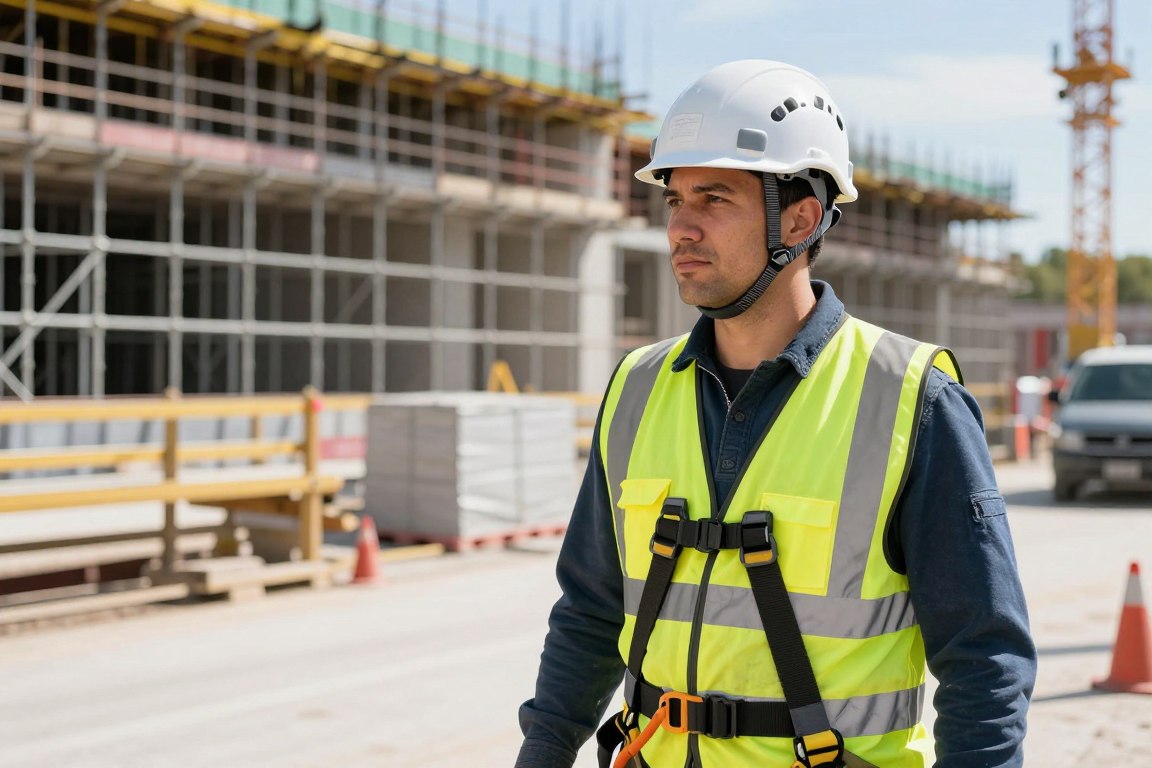
Workplace measures prevent many acquired brain injuries. Employers should apply risk assessment and provide appropriate personal protective equipment (for example helmets and harnesses), effective training in manual handling, and systems that manage hazards before incidents occur. A strong safety culture—where prevention is prioritised over speed—reduces occupational injuries.
Construction sites require particular vigilance: fall‑protection systems, secure scaffolding and site housekeeping prevent many head injuries. Healthcare settings benefit from safe‑patient handling policies to reduce transfer‑related falls and from infection‑control procedures that reduce exposure risks.
Legislation and enforcement are powerful prevention tools. Mandatory seatbelt and helmet laws, workplace safety regulations and building standards reduce brain‑injury rates when combined with public education and active enforcement.
Urban planning and infrastructure design that separate pedestrians and cyclists from motor traffic, provide safe crossing points and include protected cycle lanes and traffic calming measures reduce collision risks. Safer playground surfaces and well‑designed public spaces limit the severity of falls.
Screening and early‑identification programmes target individuals at higher risk: vision and balance testing in older adults, cardiovascular risk assessment in primary care and cognitive screening where indicated help clinicians intervene before injury occurs.
Research underpins effective prevention. Investment in injury surveillance and evaluation of interventions identifies trends and measures impact. Evidence‑informed policy ensures resources focus on measures proven to reduce injuries and their consequences.
Implementation science examines how to translate evidence into routine practice so that successful interventions reach communities and workplaces reliably. Combining research, policy and clinical practice offers the best prospect for reducing the burden of acquired brain injury across the population.
Recovery from acquired brain injury follows variable and often unpredictable courses. Clear explanation of factors that influence outcome helps families set realistic expectations while preserving hope. Clinicians base prognostic judgements on available evidence but recognise that individuals sometimes exceed, and occasionally fall short of, statistical predictions.
Recovery does not always mean full restoration to the pre‑injury state. Particularly after moderate or severe injury, recovery typically involves adapting to changed abilities, learning compensatory strategies and redefining meaningful goals. This process of adaptation continues throughout life and is supported by ongoing rehabilitation and community services.
Severity of the injury is a major determinant of prognosis: mild injuries commonly resolve fully, whereas severe injuries are more likely to result in lasting disability. Nevertheless, severity alone does not determine outcome—two people with similar initial injuries may follow very different recovery paths.
Age at injury affects both potential for recovery and long‑term impact. Young children show substantial neuroplasticity and can reorganise function, but injuries during key developmental periods may produce emerging difficulties as the child grows. Older adults generally have less neural reserve and may have coexisting medical conditions that complicate recovery.
The location of brain damage determines which functions are affected. Injury to eloquent cortex—areas controlling speech, movement or vision—tends to produce more obvious deficits. Deep or bilateral injuries can cause severe impairment even when lesion size appears relatively small on imaging.
Pre‑injury factors matter: higher educational attainment and cognitive reserve, good physical health and strong social support all predict better outcomes. Conversely, pre‑existing mental illness, substance misuse or significant medical comorbidity may limit recovery potential.
Access to timely, high‑quality rehabilitation is a modifiable factor with a major influence on results. Early intervention, intensive therapy and specialist expertise improve function; unequal service availability can create avoidable differences in outcomes between regions or population groups.
Acute recovery (days to weeks) focuses on medical stabilisation and preventing secondary injury. Patients may be unconscious or confused during this period; clinicians concentrate on airway, circulation, intracranial pressure control and treating complications. Families often experience intense uncertainty at this stage.
Subacute recovery (weeks to months) is the period when many measurable gains occur. Alertness and interaction typically increase and intensive rehabilitation can produce substantial improvements in mobility, communication and cognition. This phase offers the greatest opportunity for rapid functional change.
Long‑term recovery (months to years) continues more slowly. Improvements in processing speed, multitasking and strategy use may emerge with focused practice. Psychological adjustment and social reintegration evolve over time as the person and family adapt to new circumstances.
A slowing of progress (a plateau) is common but does not imply that all improvement has ceased. Individuals often make further gains years after injury when new goals prompt renewed therapy or when life circumstances change.
Mild traumatic injuries commonly result in full recovery, though some people experience persistent post‑concussional symptoms that require specialist management. Cumulative mild injuries raise concern about longer‑term cognitive effects and should prompt precautionary measures.
Good recovery implies return to most pre‑injury activities with minor residual deficits; people may resume work or education with reasonable adaptations. Moderate disability denotes the need for some assistance or supervision but preserves substantial independence. Severe disability involves dependence for daily care and often requires long‑term support.
The most extreme outcomes include prolonged disorders of consciousness such as vegetative or minimally conscious states. Prognosis for recovery from impaired consciousness becomes less favourable the longer it persists, requiring careful, compassionate discussions with families about goals of care.
Prognostication combines multiple data points: clinical examination (depth and duration of coma, brainstem reflexes), imaging findings (lesion size, presence of diffuse axonal injury) and patient factors (age, comorbidity). Clinical prediction tools provide population‑level probabilities, not certainties for single individuals.
Research into blood and imaging biomarkers shows promise for improving early prognostic accuracy, but these remain investigational in many settings. Serial clinical assessments over time often provide the clearest information about likely recovery trajectory.
Families benefit from honest, compassionate conversations that outline ranges of possible outcomes and the degree of uncertainty. Framing prognostic information as probabilities and revisiting it as the clinical picture evolves supports informed decision making.
Active participation in rehabilitation is the most evidence‑based strategy to improve outcome. Task‑specific practice, sufficient intensity and repetition promote neuroplastic change. Motivation and engagement influence gains, while recognition that effort does not guarantee complete restoration helps set realistic goals.
Starting rehabilitation early takes advantage of heightened plasticity, but meaningful improvement remains possible many months or years after injury. Holistic programmes that address physical, cognitive, emotional and social needs produce better results than isolated interventions.
Family involvement enhances recovery by providing essential information about pre‑injury abilities, supporting practice in daily life and sustaining motivation. Environmental adjustments and assistive technology compensate for residual impairments and enable greater participation despite ongoing limitations.
Short answer: ABI is the broad category; TBI is one type within it. An acquired brain injury (ABI) covers any brain damage that occurs after birth. Traumatic brain injury (TBI) specifically refers to injury caused by external physical force, while non‑traumatic ABIs arise from internal causes such as stroke, infection or oxygen loss.
Why it matters: the cause influences immediate management, investigations and rehabilitation priorities, so clinicians distinguish between traumatic and non‑traumatic mechanisms when planning care.
Short answer: it varies widely. Mild injuries often resolve within days to weeks; moderate injuries commonly require months of active therapy; severe injuries may involve ongoing recovery for years.
Practical note: the most rapid gains commonly occur in the first three to six months, but improvement can continue long term. Periodic, goal‑directed rehabilitation can produce meaningful benefits even years after injury.
Short answer: recovery potential differs with age and is complex. Young children have greater neuroplasticity and can reorganise function, but injuries during development may cause later‑emerging difficulties as demands increase.
Practical note: children require long‑term follow‑up and educational support because some deficits only become apparent as schooling and social expectations progress.
Short answer: problems span cognitive, physical, emotional and social domains. Memory and attention difficulties, slowed information processing, fatigue, mood change and communication problems are among the most frequent long‑term issues.
Examples: persistent fatigue may limit daily activity; memory and executive problems can affect work or study; mood disorders and personality changes often need psychological and sometimes pharmacological treatment. The exact pattern depends on the injury and the individual.
Short answer: many people do return, but supports are often needed. Mild injuries commonly permit full return; moderate injuries may require reduced hours, modified duties or workplace adjustments; severe injuries may preclude competitive employment for some people.
How to plan: vocational rehabilitation and graded return‑to‑work programmes, employer education and reasonable adjustments (flexible hours, quiet workspace, assistive technology) increase the chance of a successful return. For students, individualised education plans and school‑based therapies support reintegration.
Short answer: family involvement is vital. Participation in therapy sessions, creating a structured, supportive home environment and using compensatory strategies help recovery and independence.
Practical tips: learn simple communication techniques, use written reminders and schedules, break tasks into steps, encourage graded activity to manage fatigue, and seek respite or peer support to protect caregiver wellbeing.
Short answer: physiotherapy is fundamental for restoring movement and physical function. Physiotherapists assess mobility, strength, balance and coordination and design personalised programmes to improve functional independence.
Typical interventions: balance training, gait retraining, strengthening, stretching and use of specialised equipment to enable safe practice and progression toward meaningful goals such as walking, transfers and recreational activities.
Short answer: yes. A prior brain injury increases vulnerability to further injury and usually worsens outcomes if reinjury occurs. The cumulative effects exceed the sum of individual events.
Prevention: avoid high‑risk activities (for example contact sports after significant head injury), use appropriate protective equipment, adopt fall‑prevention measures at home and follow clinical guidance on safe return‑to‑activity.
Short answer: yes. Brain injury—particularly affecting frontal regions—can alter emotional regulation and social behaviour, leading to irritability, impulsivity, apathy or disinhibition.
Support: understanding these changes as neurological rather than intentional behaviour helps families respond with empathy. Behavioural strategies, psychological therapy and, where appropriate, medication can reduce distress and improve social functioning.
Short answer: post‑traumatic stress disorder (PTSD) is persistent psychological distress after a traumatic event. When a traumatic brain injury results from violence or a severe accident, PTSD and ABI can co‑exist, complicating assessment and treatment.
Treatment considerations: memory problems from the brain injury can affect trauma‑focused therapies; integrated approaches that address both cognitive impairment and PTSD symptoms together generally produce better outcomes than treating each condition in isolation.
Short answer: support varies by circumstance. In the United Kingdom, statutory benefits may include Personal Independence Payment for adults, Disability Living Allowance for children, Universal Credit and Carer’s Allowance for eligible family carers; NHS healthcare and many rehabilitation services are provided without direct charge.
Practical guidance: social workers, welfare rights advisors and specialist charities can help families navigate eligibility and application processes. Legal or compensation routes may be available where another party is responsible for the injury.
Short answer: memory impairment is common and can take several forms. Retrograde amnesia affects memories formed before the injury; anterograde amnesia impairs formation of new memories.
Other forms: working memory problems make it hard to hold and use information in the short term (for example following multi‑step instructions), while prospective memory affects remembering future tasks (such as taking medication). Rehabilitation uses compensatory aids (diaries, alarms) and restorative exercises to support everyday memory function.
Acquired brain injury changes life for affected individuals and their families. The journey commonly includes an initial medical crisis, intensive rehabilitation, ongoing adaptation and continuous adjustment to altered abilities. Clear understanding of the medical aspects, available treatments and long‑term supports helps families navigate this complex process.
Recovery is rarely linear. Rather than expecting complete restoration in most moderate or severe cases, the practical aim is to maximise functional ability, develop compensatory strategies and redefine meaningful goals. This adaptation takes time and benefits from compassionate support from professionals, family and peer groups.
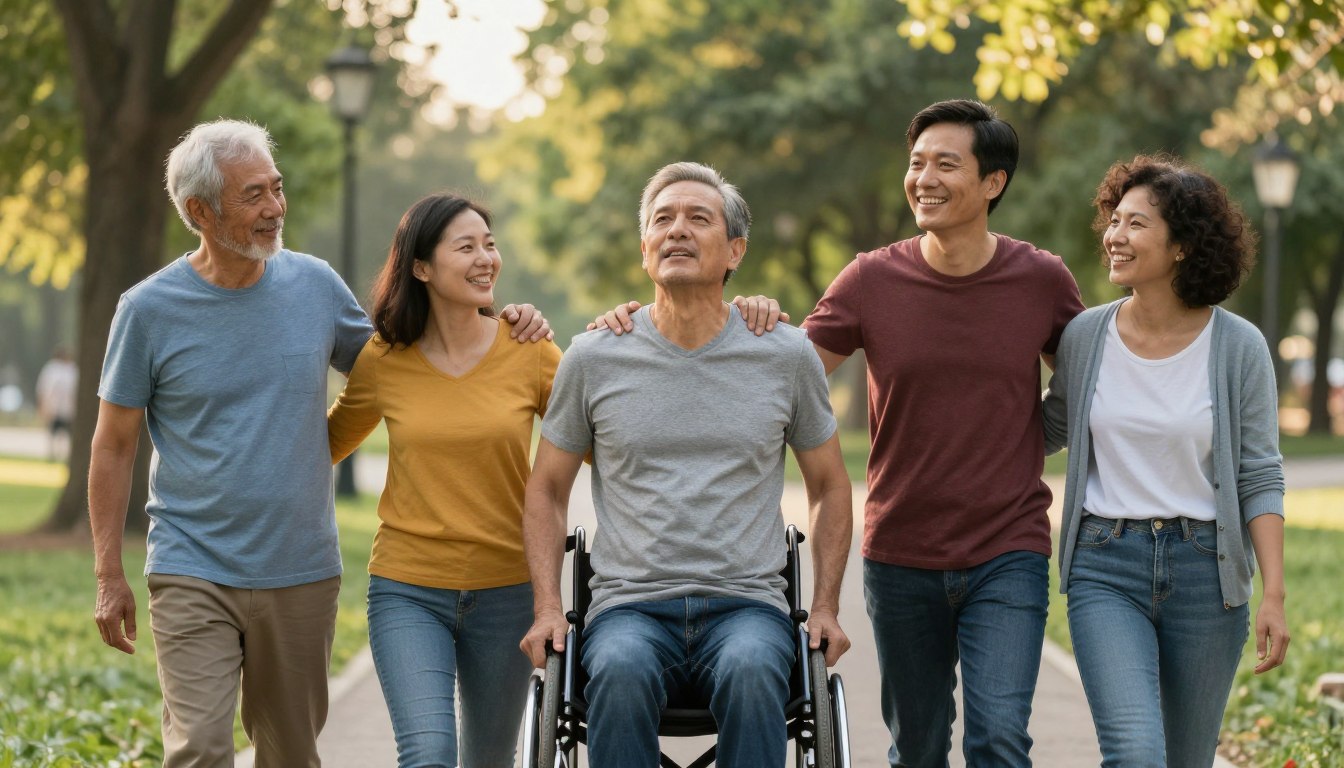
Comprehensive, multidisciplinary rehabilitation remains the single most important intervention to improve outcomes. Physiotherapy, occupational therapy, speech and language therapy, neuropsychology and medical management each contribute distinct, complementary benefits. Coordinated care—delivered at the right intensity and duration—maximises the chance of meaningful functional gains.
Technology and specialist equipment can extend rehabilitation possibilities and support independence. From simple assistive devices that compensate for residual difficulties to advanced therapy tools that facilitate skill relearning, these resources complement clinical treatment and daily life supports. Continued research offers promise for future advances in prevention and treatment.
StandSure Therapy provides specialised physiotherapy equipment used in brain injury rehabilitation to support standing balance, weight‑bearing practice and postural training. Consider discussing such devices with rehabilitation professionals to determine appropriate clinical application.
Prevention remains the most effective long‑term strategy. Many brain injuries arise from predictable, preventable situations; safety measures, public health initiatives and individual behaviour changes reduce incidence and severity, delivering substantial benefits in lives saved and disability avoided.
Families and caregivers need sustained support throughout the recovery trajectory. Respite services, peer support, caregiver education and benefits advice help maintain carers’ health, finances and relationships. Supporting carers is essential to long‑term community living and the person’s quality of life.
Ultimately, the goal of rehabilitation is community reintegration and a meaningful life. Beyond restoring basic function, services should enable people to contribute to family and community life, pursue interests, maintain relationships and experience a satisfactory quality of life. With appropriate treatment, support and realistic planning, many people achieve significant improvement and build fulfilling lives after brain injury.
Ongoing research continues to expand understanding of acquired brain injury and to evaluate new treatments. Participation in well‑conducted research helps improve care for future patients and may provide access to innovative interventions. The continuing advancement of evidence and services offers realistic reasons for optimism about better prevention, more effective treatments and improved life outcomes.

Book a personalised demonstration of the StandSure™ today by filling out our request form. Have any questions? Call us now, and our team will be happy to assist!


