No products in the cart.


Stroke occurs when blood flow to brain tissue is interrupted or markedly reduced, preventing oxygen and essential nutrients reaching brain cells. This can cause cellular injury; the time course varies with age, collateral circulation and the affected vessel. While the basic mechanism resembles that in adults, paediatric stroke often involves additional considerations linked to a developing brain.
Two principal categories apply in children and infants. Ischaemic stroke results from obstruction of a blood vessel — commonly from a blood clot — leading to reduced brain perfusion. Haemorrhagic stroke follows rupture or leakage from a blood vessel, producing bleeding into or around brain tissue. Each type presents distinct diagnostic and therapeutic challenges in paediatric practice.
Perinatal and neonatal stroke form a distinct subgroup. These events may arise before birth, during delivery or within the first weeks of life. Presentations can be subtle: a newborn may show poor feeding, excessive sleepiness, unexplained apnoea or focal seizures. The developing brain demonstrates notable plasticity, but injury during critical windows can substantially affect motor development, cognition and longer-term health.
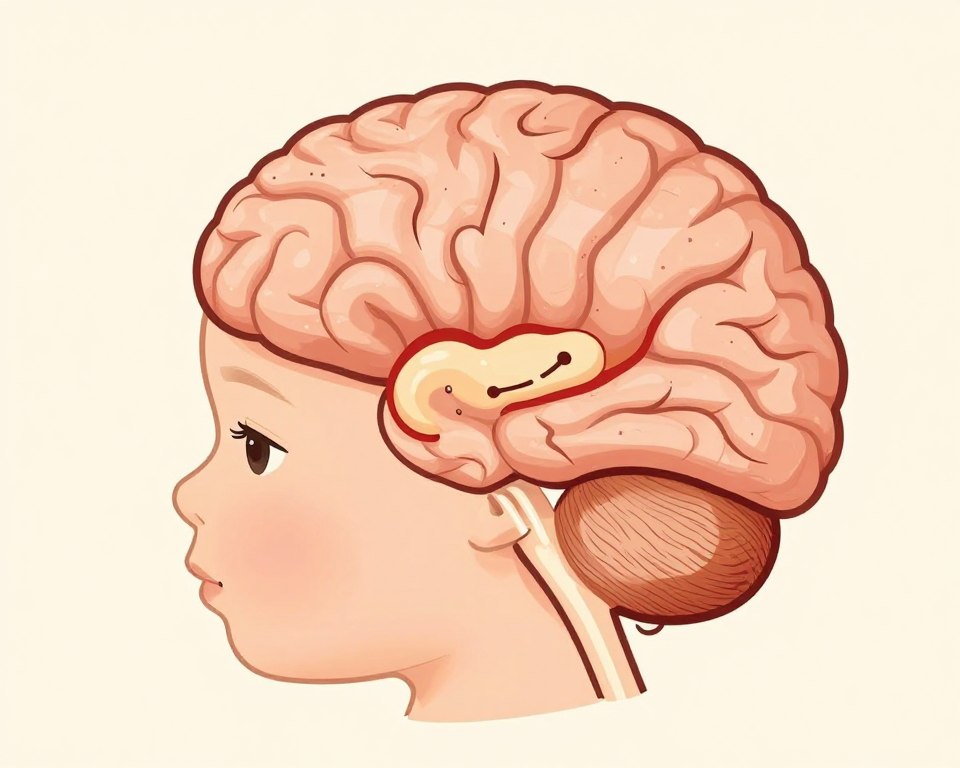
Paediatric stroke results from multiple interacting causes distinct from the common lifestyle-related risks seen in adults. In children, congenital conditions, abnormalities of the heart or blood vessels, and disorders of blood clotting or blood composition frequently contribute to stroke risk and influence prevention and treatment strategies.
Disorders of clotting and vascular structure are major risk categories. Abnormal clotting can promote formation of clots within vessels supplying the brain, while structural vessel disease can reduce cerebral perfusion or predispose to bleeding. These problems may be inherited or acquired and require targeted investigation and specialist management.
Congenital cardiac lesions create haemodynamic patterns that increase stroke risk and often necessitate coordinated cardiology and stroke care. Management may include medical therapy, interventional cardiology or surgery depending on the lesion.
Primary vascular disorders affecting cerebral vessels may cause ischaemia or haemorrhage and often require neuroimaging and multidisciplinary input, including interventional neuroradiology or neurosurgery.
Haematological diseases alter blood composition and clotting, increasing vulnerability to both clots and bleeding; management commonly involves haematology input and condition-specific preventive strategies.
Infective or inflammatory processes can damage vessels or provoke thrombosis. Prompt diagnosis and treatment of these conditions reduce the risk of secondary brain injury.
Trauma to the head or neck can injure vessels and precipitate stroke; birth-related trauma is an occasional cause of perinatal stroke. Medical procedures, although often necessary, carry an acknowledged but generally low risk of vascular complication and should be managed with appropriate peri‑procedural precautions.
Rapid recognition of stroke symptoms is essential because timely assessment and treatment improve outcomes. Recognising stroke in children and infants is more challenging than in adults: symptoms can differ, and very young patients cannot describe their experience.
Weakness affecting one side of the body is one of the most recognisable features. Caregivers may observe that a child favours one arm or leg, or that one side appears less active during movement or play.
New-onset seizures, particularly focal seizures, require immediate evaluation. Although seizures have multiple causes, their sudden appearance alongside other neurological changes raises concern for stroke, especially in infants and young children.
Infants often present with non-specific signs. Excessive crying, difficulty feeding, unusual lethargy or apnoea episodes may indicate neurological distress and warrant prompt review. These features mean that a baby with stroke may initially be mistaken for a common neonatal problem.
Older children are more likely to report symptoms such as headache, visual disturbance or difficulty speaking. They can sometimes describe symptoms, which can aid diagnosis, but stroke remains underdiagnosed in paediatric practice because it is less commonly considered.
Confirmation of stroke in young patients relies on timely imaging and a targeted diagnostic work-up. Time to diagnosis matters because treatment options and complications depend on stroke type and severity.
Magnetic resonance imaging (MRI) gives detailed visualisation of the brain and is preferred when available and feasible, as dedicated stroke sequences detect restricted diffusion and haemorrhage. Computed tomography (CT) is faster and remains useful when haemorrhage is suspected or when MRI is not immediately available.
Blood tests should include assessment of clotting function, markers of infection and inflammatory markers, and basic metabolic parameters. These help to identify blood clotting disorders or other systemic contributors to stroke.
Cardiac evaluation (for example echocardiography) is essential when a cardiac source of emboli is suspected; congenital heart disease is a recognised cause of paediatric stroke. Vascular imaging (ultrasound, CT angiography or MR angiography) assesses the blood vessels supplying the brain for narrowing, malformation or dissection.
Treatment is determined by stroke type, severity and time to presentation. The primary objectives are to limit brain injury, prevent secondary complications and identify treatable causes to reduce the risk of recurrence.

For ischaemic stroke, restoring cerebral blood flow is the immediate priority. In selected children who present within appropriate time windows, thrombolytic therapy or mechanical thrombectomy may be considered by a specialist paediatric stroke team; these interventions require individual risk–benefit assessment and specialist expertise.
Management of haemorrhagic stroke concentrates on controlling bleeding, reducing intracranial pressure and preventing further haemorrhage. Neurosurgical or endovascular procedures may be indicated in specific cases to evacuate a clot or secure a ruptured vessel.
Supportive care underpins all acute management: vigilant monitoring of neurological status, careful blood pressure control, treatment of seizures and maintenance of adequate oxygenation and metabolic support to protect the injured brain.
Identification and treatment of predisposing conditions form a key part of secondary prevention. Children with recognised blood clotting disorders may require anticoagulation or other haematology-directed therapies under close monitoring. Those with cardiac sources of embolism often need cardiology assessment and, where appropriate, surgical or interventional correction.
Structural blood vessel abnormalities may be managed medically, surgically or by endovascular techniques depending on the lesion and local expertise. All decisions should involve multidisciplinary paediatric teams to ensure treatments are tailored to the individual child and delivered with appropriate safety measures.
Recovery after paediatric stroke extends well beyond the acute phase. Children require coordinated rehabilitation that addresses physical, cognitive and developmental needs. The developing brain offers potential for meaningful recovery, but the degree of improvement varies between individual patients and depends on stroke severity, location and timing of intervention.

Physiotherapy is central when motor function is affected. Targeted programmes help address weakness on one side of the body, restore mobility and prevent secondary complications such as contractures or disordered movement patterns. Therapy is individualised, with intensity and techniques adapted to the child’s age, developmental stage and functional goals.
Rehabilitation plans integrate developmental milestones into therapy goals so that interventions support overall growth as well as stroke-specific recovery. Consistent practice, both in clinic and at home, improves the chance of functional gains.
Specialist equipment can assist therapy by providing safe, stable support during standing and mobility practice. Devices such as the StandSure Therapy Aid are designed for paediatric use and can support weight-bearing and balance training under professional supervision.
Comprehensive recovery involves a multidisciplinary team. Occupational therapists focus on daily living skills and upper-limb function; speech and language therapists address communication and swallowing difficulties; neuropsychologists assess cognition and learning needs. Educational support and school-based adjustments help children continue academic development despite stroke-related challenges.

Families are integral to rehabilitation. Parents and carers are taught positioning, handling and home exercise programmes to reinforce clinical therapy. This consistent support frequently improves outcomes and helps integrate recovery tasks into daily routines.
Emotional and psychological care for families is also important. Access to counselling, peer support groups and respite services helps manage the stress and practical challenges of long-term care.
Therapeutic equipment has an important role where early mobilisation and supported standing aid recovery objectives. Appropriately selected devices enable safe practice of weight-bearing and balance activities and reduce secondary problems associated with immobility, such as muscle wasting or bone loss.
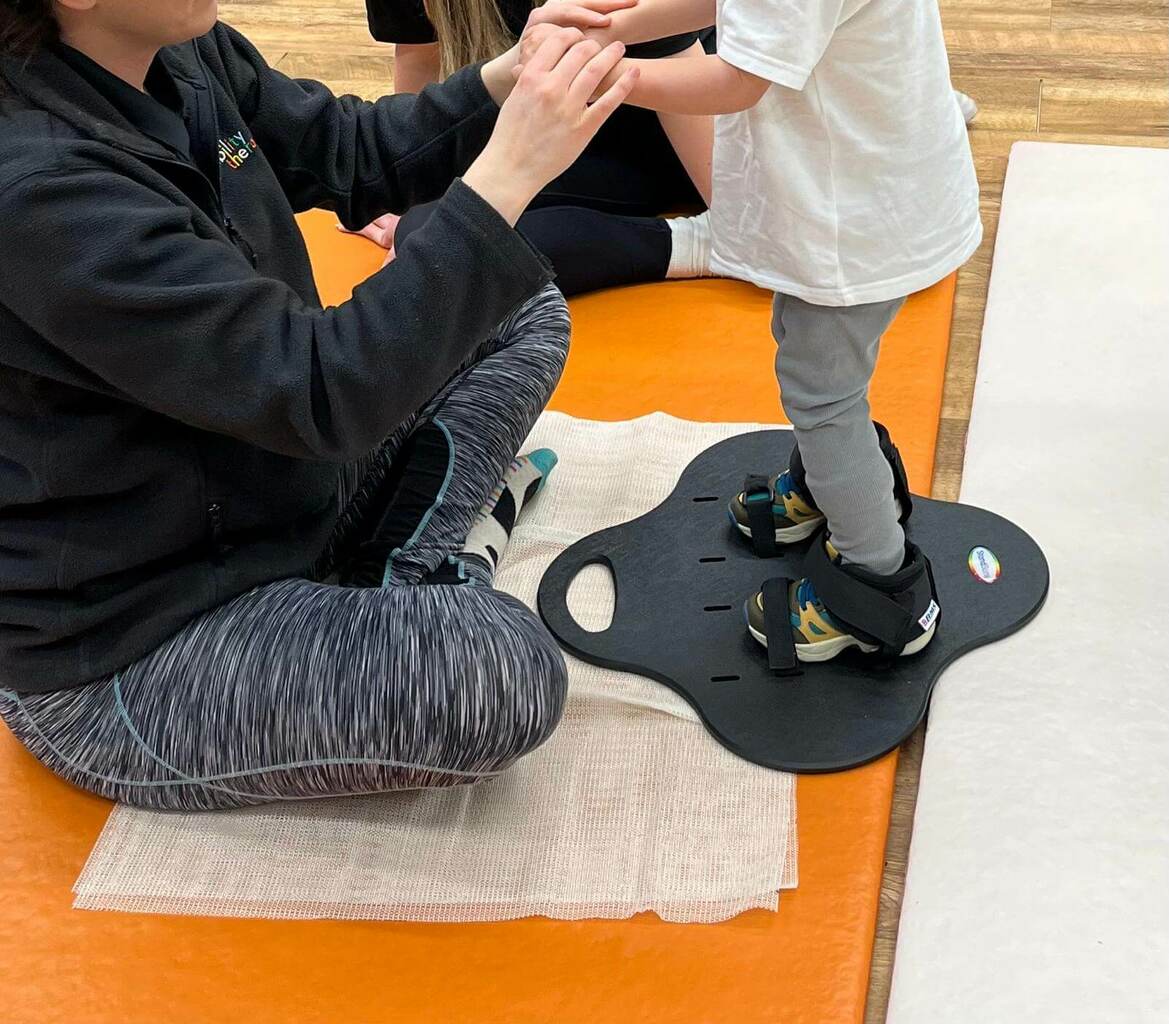 The StandSure Therapy Aid is one example of equipment engineered for paediatric rehabilitation. When used under the supervision of trained therapists, such devices support symmetric weight-bearing practice and may aid neuroplasticity by enabling repetitive, task-specific training.
Mobility aids provide stable support for practice of standing and gait-related tasks, helping to restore more normal movement patterns. For children with one-sided weakness following stroke, devices enable safe, symmetric practice that complements hands-on therapy.
Detailed clinical guidance and application technique are available in specialist resources. The how its used guide offers practical information for healthcare professionals integrating such equipment into paediatric programmes.
Therapeutic equipment continues to evolve, informed by evidence-based design and safety standards. Choice of device should be guided by clinical goals, the child’s needs and multidisciplinary input to ensure optimal, safe support for recovery.
Healthcare professionals seeking comprehensive therapy options may review specialist equipment to support paediatric stroke rehabilitation. The StandSure Therapy Aid provides clinician-focused support for standing and early mobility, with application guidance available for implementation.
Selection of appropriate equipment must consider therapy goals, patient safety and family preferences. Collaborative decision-making between therapists, clinicians and families ensures equipment supports meaningful functional progress.
Recovery trajectories after paediatric stroke vary widely. Important determinants of outcome include stroke severity, the anatomical location of brain injury, the child’s age at the time of stroke and the promptness of diagnosis and treatment.
The developing brain shows considerable neuroplasticity, which can permit reorganisation of function and meaningful recovery that is sometimes greater than in adults. This potential should be communicated alongside realistic expectations: some children recover extensively, while others continue to experience motor, cognitive or behavioural difficulties.
Persistent problems may include motor impairments, learning difficulties, behavioural change or recurrent seizures. Ongoing monitoring and coordinated care throughout childhood and adolescence are essential to identify new or evolving needs and to provide timely interventions.
Early intervention is consistently associated with better outcomes. Children who receive prompt assessment, acute treatment and intensive rehabilitation generally achieve more favourable results than those with delayed care.
Family involvement and access to specialist services also affect recovery. Children whose families participate actively in therapy and who have access to specialised rehabilitation, educational support and coordinated clinical care commonly make greater gains.
Regular follow-up with a multidisciplinary team enables early detection of complications and adjustment of the care plan. Many children require ongoing input from paediatric neurology, rehabilitation services, cardiology or haematology depending on underlying causes.
Not all paediatric strokes are preventable, but targeted strategies reduce risk in children with recognised predispositions. Preventive measures are condition-specific and should be guided by specialist teams.
Children with established risk factors require tailored surveillance and management. For example, regular transfusion programmes and disease-modifying therapies reduce stroke risk in many patients with sickle cell disease; such interventions are directed by haematology specialists. Children with cardiac sources of emboli need cardiology assessment and appropriate management, which may include surgery or device closure in selected cases.
Where blood clotting disorders are identified, anticoagulation or other haematological treatments may be indicated under close monitoring to balance clot prevention against bleeding risk. Specialist input is essential for decisions about long-term therapy.
Education of families, schools and healthcare providers about warning signs promotes earlier recognition and faster access to care. When warning signs are recognised quickly, diagnostic work-up and treatment can begin sooner, which may improve outcomes.
Training for school and childcare staff supports rapid response if a child develops symptoms during the day, and structured pathways for urgent assessment help reduce delays to specialist care.
Research into paediatric stroke continues to improve understanding of causes, risk stratification and optimal therapies. Studies examine genetic predisposition, mechanisms of vessel injury and strategies to reduce recurrence.
Clinical trials and observational studies evaluate new acute treatments, rehabilitation methods and preventative strategies tailored to children. These studies aim to establish evidence-based approaches specific to paediatric populations rather than extrapolating from adult data alone.
Improvements in imaging and biomarkers are enhancing understanding of how the child’s brain responds to injury and recovery, informing personalised rehabilitation plans and more accurate prognostic assessments.
Multiple organisations offer information, practical support and advocacy for families affected by paediatric stroke. These groups provide educational materials, peer connection opportunities and guidance on navigating services, helping families access appropriate care and research updates.
 Clinical teams, including social workers and case managers in many hospitals, can direct families to local and national resources tailored to individual needs. These professionals assist with care coordination, welfare and school-related support.
Online communities offer practical advice and emotional peer support; these should complement, not replace, professional medical and rehabilitation guidance.
Whilst less common than in adults, stroke does occur in young populations. Published estimates suggest approximately one in 4,000 newborns experience perinatal stroke; childhood stroke incidence is commonly reported in the range of two to 13 children per 100,000 per year. Although relatively uncommon, each case carries significant implications for the child’s developing brain and family, and greater awareness has improved recognition and earlier access to care.
Multiple causes contribute to paediatric stroke. Congenital heart disease and structural cardiac problems can promote embolic events; blood clotting disorders increase the risk of thrombotic stroke; and vascular abnormalities such as arteriovenous malformations or moyamoya disease predispose to both ischaemic and haemorrhagic events. Infections, inflammatory conditions and, less commonly, trauma also form part of the differential diagnosis. Identification of the underlying cause is essential for targeted prevention and treatment.
Urgent assessment is warranted for sudden neurological changes. Key warning signs include sudden one-sided weakness or numbness, new difficulty with speech, sudden visual changes, severe unexplained headache, reduced consciousness or new seizures. In infants, subtle features such as poor feeding, excessive crying, unusual lethargy or apnoea episodes may indicate serious neurological events. Rapid presentation to emergency care gives the best chance of timely diagnosis and treatment.
Outcomes vary widely. The developing brain demonstrates notable neuroplasticity and many children make substantial gains with prompt treatment and intensive rehabilitation. Some children regain near-normal function, while others experience ongoing motor, cognitive or behavioural difficulties, or recurrent seizures. Early intervention, tailored rehabilitation and long-term follow-up increase the chances of the best possible outcome.
Physiotherapy is a cornerstone of rehabilitation. Therapists assess motor function and design individual programmes to improve strength, balance and coordination, particularly when one side of the body is affected. Where appropriate, rehabilitation may incorporate specialist equipment such as the StandSure Therapy Aid to support standing practice and early mobility under trained supervision. Consistent outpatient therapy and home programmes reinforce clinical gains.
Duration is individual and depends on stroke severity and recovery trajectory. Intensive therapy commonly begins soon after medical stabilisation and may continue for months; some children require ongoing therapy and periodic “tune-ups” throughout childhood. The rehabilitation team reviews goals regularly and adjusts intensity according to progress and developmental needs.
Risk of recurrence depends on the underlying cause. Children with ongoing risk factors such as clotting disorders, certain cardiac conditions or persistent vascular abnormalities have higher recurrence risk unless these are treated or managed. Preventive strategies—ranging from anticoagulation to surgical or interventional procedures—are determined by specialist teams and balanced against bleeding risk. Regular follow-up is essential.
Support includes hospital-based social work, local and national charities, condition-specific support groups and online communities. These resources assist with practical matters, emotional support and education. Healthcare teams can signpost appropriate services, and psychological support should be offered to help families manage the emotional impact of caring for a child after stroke.
Some strokes can be prevented by condition-specific measures. For example, regular transfusion programmes and disease-modifying therapy reduce stroke risk in many children with sickle cell disease; anticoagulation or other haematological treatments may be indicated for certain clotting disorders. Cardiology interventions can reduce embolic risk in selected patients. Prevention plans should be made by specialist teams and tailored to each child’s risk profile.
Mobility aids, such as standing frames and supported-walking devices, enable safe practice of weight-bearing and balance tasks. For children with one-sided weakness, such equipment facilitates symmetric positioning and repetitive practice that supports neuroplastic recovery. Clinical application guidance—such as the StandSure application guide—should be followed, and use must be integrated into a comprehensive therapy plan under trained supervision.
Stroke in young people and infants presents complex clinical and rehabilitative challenges that require specialised, coordinated care. Continued advances in diagnosis and treatment are improving outcomes, but early recognition of warning signs, prompt medical intervention and timely rehabilitation remain the strongest determinants of a favourable course.
 The developing brain demonstrates notable plasticity and, in many cases, meaningful recovery is achievable; however, realistic expectations are important. Each child’s recovery trajectory is individual and shaped by stroke characteristics, age at onset, access to specialist care and family support. Comprehensive follow-up that addresses physical, cognitive, emotional and developmental needs helps to optimise long‑term health and function.
Families benefit from multidisciplinary teams that coordinate medical care, rehabilitation and educational support, and from links to condition‑specific resources and peer networks. When concerns arise, contacting the treating clinicians or local specialist services promptly ensures timely review and adjustment of the care plan.
Ongoing research into causes, prevention and rehabilitation strategies promises further improvements in outcomes for children affected by stroke. Continued collaboration between clinicians, researchers and families will support better prevention, treatment and long‑term care for this vulnerable population.

Book a personalised demonstration of the StandSure™ today by filling out our request form. Have any questions? Call us now, and our team will be happy to assist!


