No products in the cart.


Selective Dorsal Rhizotomy is a neurosurgery that permanently reduces spasticity (muscle tightness) in people with conditions such as cerebral palsy. In the lower spinal cord, the surgery cuts certain sensory nerve fibres, thereby making the legs stiff and have an irregular muscle tone.
Brain injury can interrupt the normal connectivity of signals between the brain and muscles. This is called spasticity. It makes the muscles contract continuously and can make moving difficult and painful and lead to joint deformities, among other outcomes, over the years. SDR surgery helps restore the right balance of muscle tone by cutting only the nerve rootlets that cause damage. It does not influence other functions.
A neurosurgeon does a minor cut in the lower back when performing SDR surgery to reach the spinal cord. To do so, the surgeon uses specialised tools and electrophysiological monitoring to identify and isolate the sensory nerve roots from the motor nerve roots. Next, each sensory nerve rootlet is examined to identify which ones are sending out abnormal signals that cause spasticity.
The abnormal nerve rootlets are cut out, and the normal ones preserved. That method is particularly sensitive to the type of nerve connections involved and is used to ensure that only the trouble-causing nerves are cut off, resulting in improved muscle function and fewer side effects. It generally takes four to five hours for the surgery to complete.
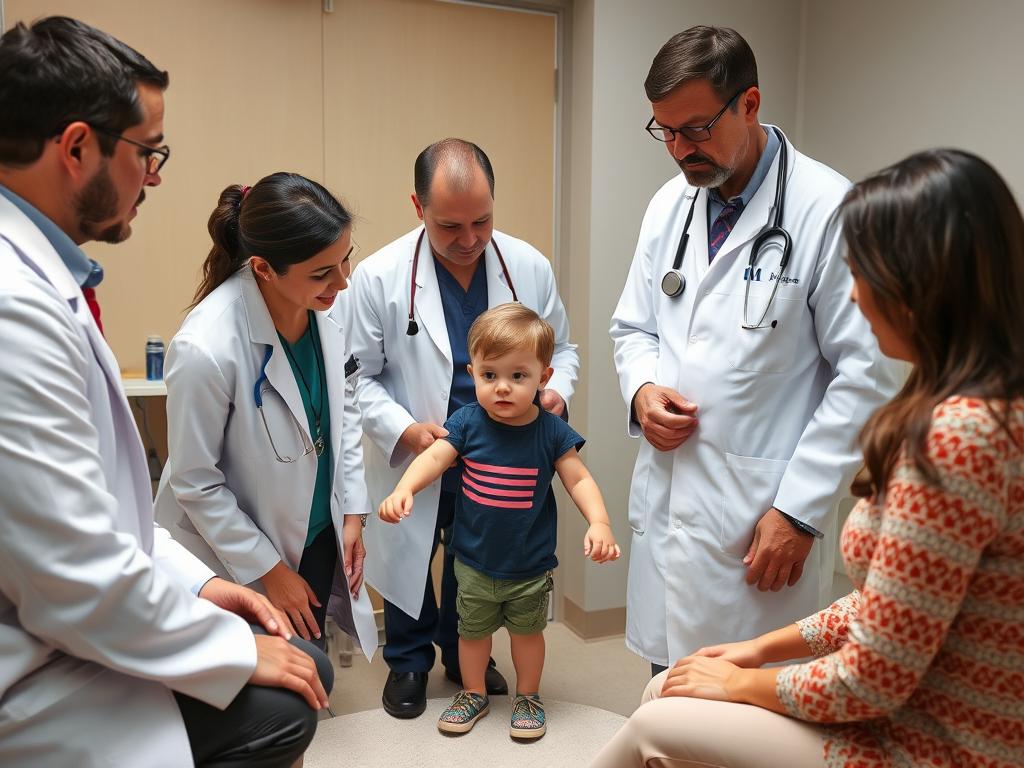
SDR surgery is mainly suggested for children with spastic cerebral palsy, especially those with spastic diplegia (which mostly affects the legs) or spastic quadriplegia (which affects all four limbs). The best candidates usually:
Before suggesting SDR surgery, a team of experts from different fields carefully looks at the patient, including their physical condition, walking style, MRI scans, and other tests to see if the surgery will help them.
The SDR procedure consists of a number of carefully planned steps:
The patient is closely watched in a recovery room after surgery, which is usually in the intensive care unit (ICU). The whole process takes about 4 to 5 hours, and after the surgery, you will need to stay in the hospital for about 5 days.
Clinical data from top hospitals demonstrates that SDR surgery is very effective at lowering spasticity. Studies from Great Ormond Street Hospital (GOSH) show that 97% of children had a big drop in muscle tone after SDR surgery. For most muscle groups, the average Modified Ashworth Scale (MAS) score went from between 2 and 4 before surgery to 0 two years after surgery.
For children with GMFCS levels II and III (a way to rate motor function in cerebral palsy), gross motor function always gets better. After two years, GMFM-66 scores (a standardised test) went up by an average of 6.60 points for level II children and 5.44 points for level III children.
Quality of life evaluations reveal significant improvements, particularly in physical functioning, pain relief, and family health. Parents say that after their children have successful SDR and rehab, they are more comfortable, mobile, and independent.
The price of SDR surgery can be completely unique depending on where it is done, what hospital it is done at, and whether national healthcare or private insurance pays for it.
| Country/Region | Estimated Cost Range | Coverage Notes |
| UK (NHS) | Fully covered for eligible patients | Available at 5 specialist centers for qualifying cases |
| UK (Private) | £23,000 – £35,000 | Includes surgery and initial rehabilitation |
| USA | $40,000 – $70,000 | Varies by insurance coverage |
In the UK, the NHS offers SDR surgery at five specialised centres for children who meet certain clinical criteria. Some of these centres are: Great Ormond Street Hospital in London, Alder Hey Children’s Hospital in Liverpool, Bristol Royal Hospital for Children, Leeds Teaching Hospital, and Nottingham University Hospital.
Private treatment is an option for patients who don’t meet NHS standards but might still benefit from the procedure. This includes children with GMFCS level IV, for whom NHS services don’t currently pay for the surgery, but it may be right for some children.
After surgery, you will need to consider the extra costs of rehabilitation, which is very intensive and lasts for several months. If healthcare systems don’t cover this fully, it can cost a lot more.
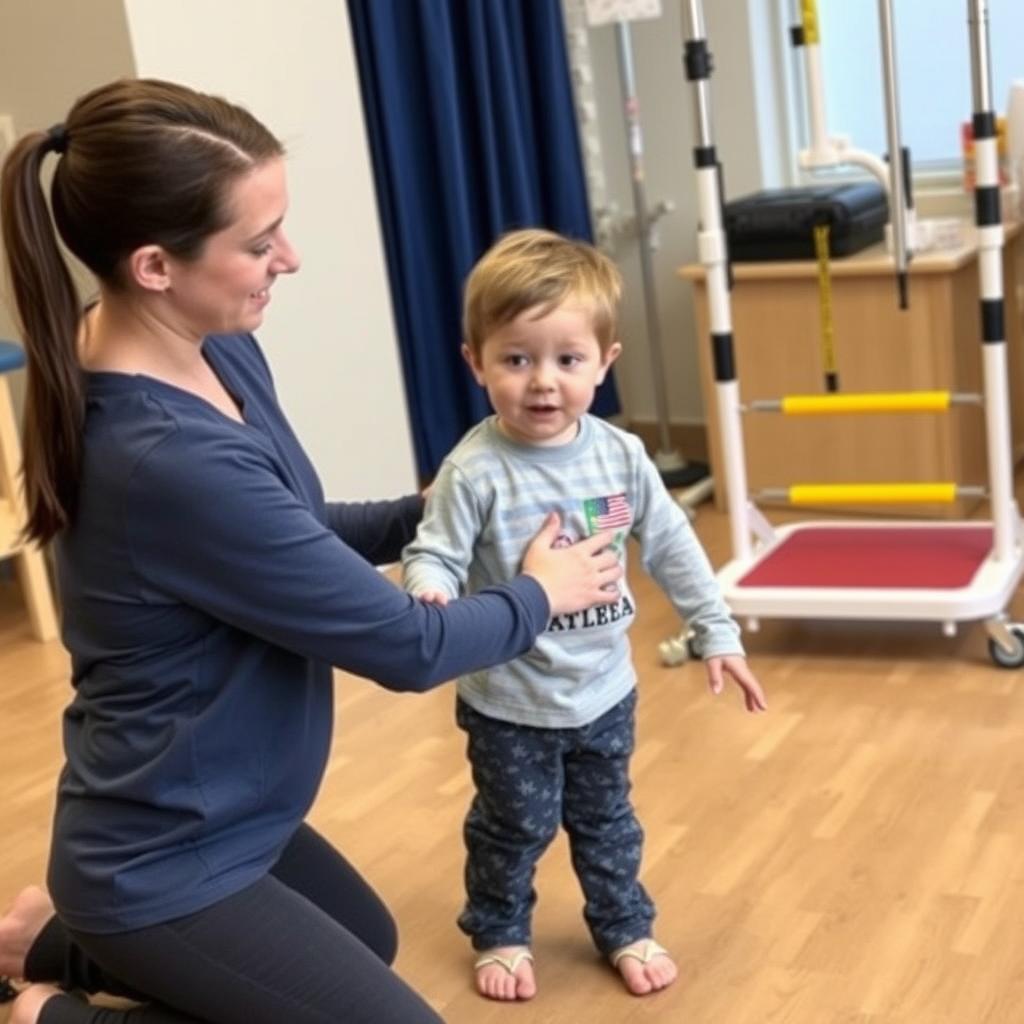
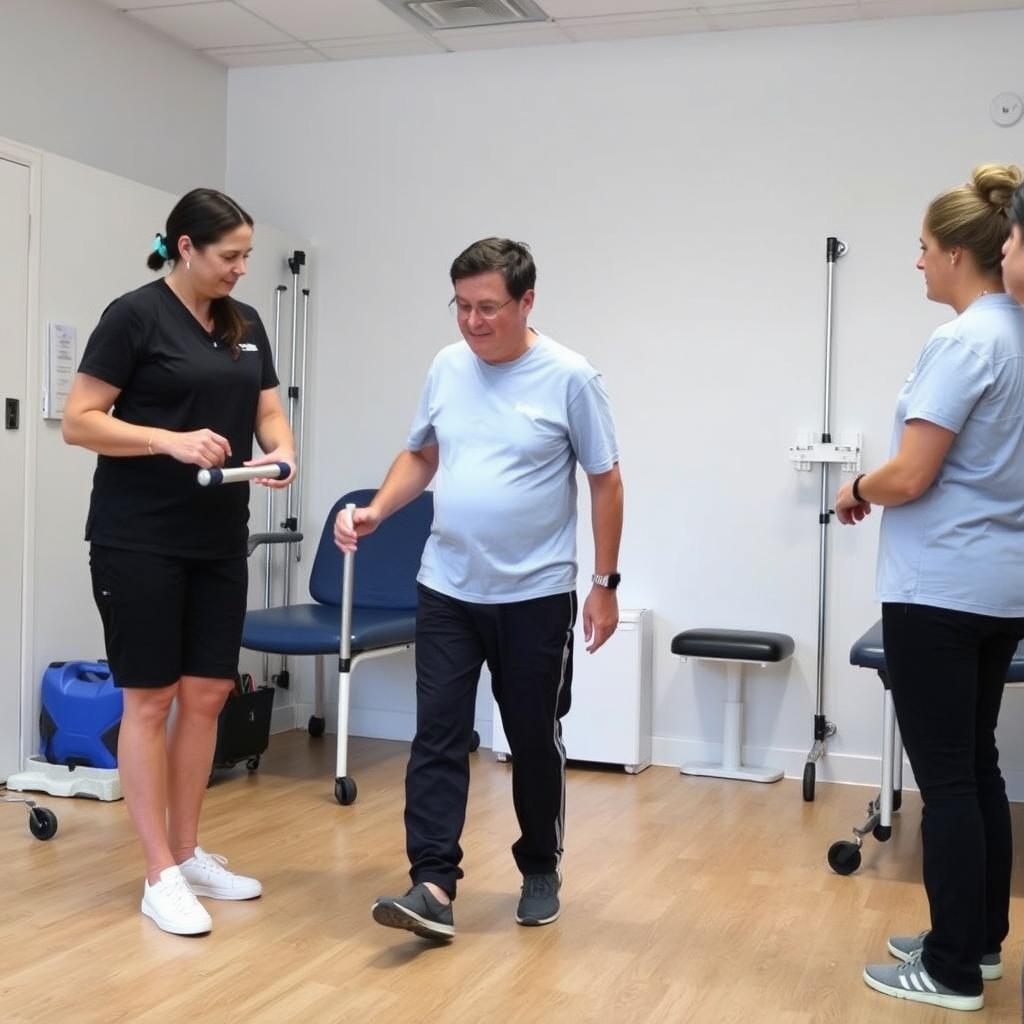
SDR is generally performed on children, though adults with spastic cerebral palsy or other causes of spasticity can also benefit from the procedure in some cases. When making a decision whether to have adult SDR, you have many factors to consider, including your overall health, the severity of your spasticity, your functional goals, and your willingness to go through rehabilitation.
Studies have shown that those who receive SDR are able to improve such abilities as ambulation, sitting, standing, and equilibrium, as well as to improve endurance and activity levels.
However, the rehabilitation process may be more challenging for adults who have lived with spasticity for many years and developed compensatory movement patterns.
After successful SDR surgery and rehabilitation, people usually see improvements in their posture and ability to move around.
The video above shows how much progress can be made after SDR surgery and a lot of hard work in rehab. When the right kind of therapy follows the procedure, most patients see significant improvements in their mobility and quality of life. However, the results are different for each person.
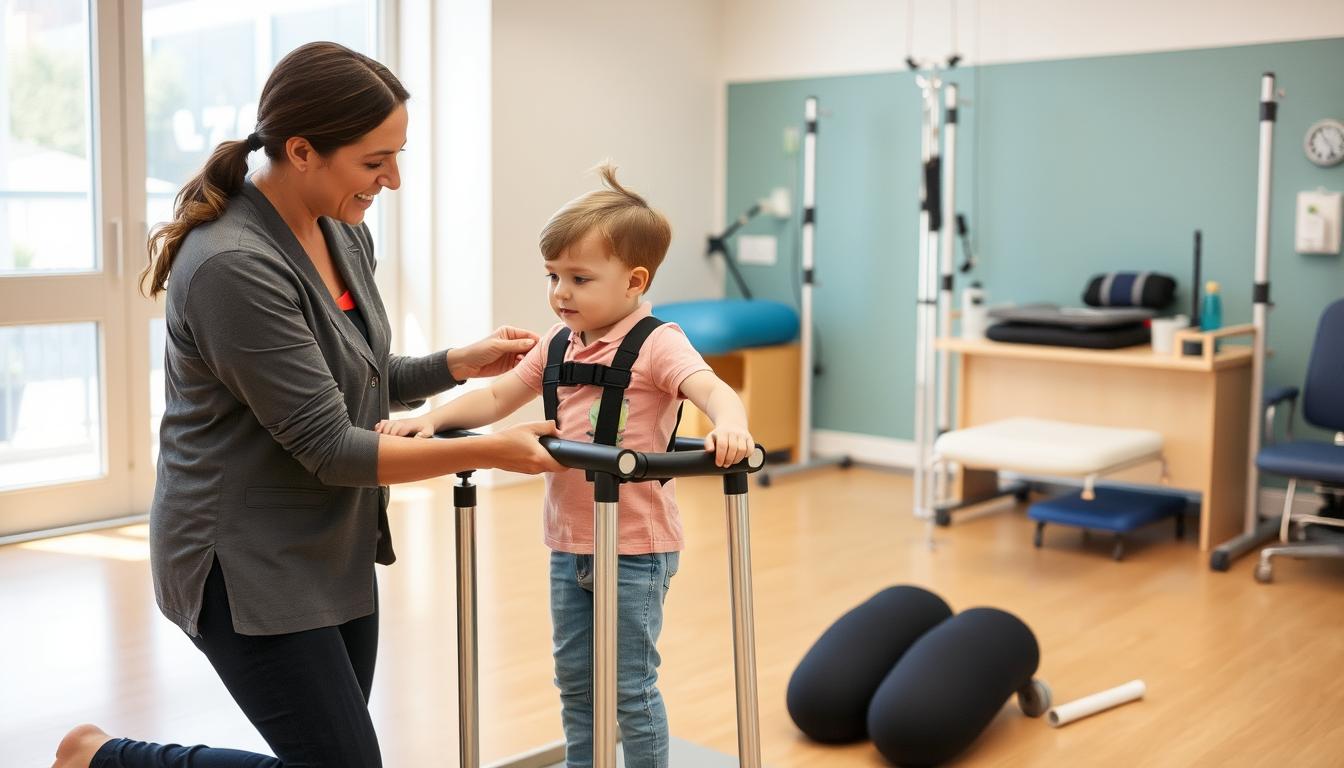
It takes a lot of work to recover from SDR surgery, and you need to be committed to intensive rehabilitation. During the recovery process, you can expect the following:
Physiotherapists helped design the StandSure board, which gives important standing support during the recovery period after SDR surgery. This specialised equipment helps patients get their bodies back in the right position, balance, and strength during this important time of recovery.
For the best results after SDR surgery, rehabilitation must be done correctly. The StandSure board was made with the help of experienced physiotherapists and provides specialised support during this important healing time.
The StandSure board is a great tool for therapy at home between professional sessions. It helps you get the most out of SDR surgery by letting you practice standing and balancing on a regular basis.

Before going ahead with SDR surgery, a multidisciplinary team of specialists should carefully consider the individual case and decide if the possible benefits are worth the risks for that patient.
There are a number of specialist centres in the UK that do SDR surgery. Each one has a team of experienced professionals from different fields who work together to give patients with cerebral palsy the best care possible.
London
Bristol
Leeds
When choosing a centre for SDR surgery, think about things like how experienced the team is with the procedure, how they choose patients, how thorough their rehabilitation program is, and how well they have done it in the past. Most centres hold informational sessions or consultations to help families make wise choices.
Research indicates that more than 95% of patients exhibit substantial alleviation of spasticity subsequent to SDR surgery. Functional improvements vary based on the individual’s condition before surgery, with most children showing improvements in mobility, comfort, and quality of life when the procedure is combined with appropriate rehabilitation.
SDR can be performed on people of any age, although most physicians deem it best for children between the ages of 3 and 10. This is typically the age range with the best combination of neuroplasticity (the brain’s ability to change) and intensive rehabilitation. But in some instances older children, teenagers, and even certain adults can take advantage of the therapy process as well.
Most people stay in the hospital for five days at first. Intensive rehabilitation lasts for 3 to 6 months after surgery, which includes therapy sessions multiple times a week. Most patients keep getting better for one to two years after surgery as they get stronger and learn new ways to move. It usually takes two years after surgery for all of the benefits of SDR to show up.
During SDR rehabilitation, people often use specialised equipment, like the StandSure board, to help with proper alignment, balance training, and strength building. These tools give you the stability you need to safely practise new movement patterns while also building the strength and coordination that spasticity used to limit. Your physiotherapist can suggest certain pieces of equipment that would help your child’s specific rehabilitation needs.
Yes, the NHS offers SDR surgery at five specialist centres for children who meet certain medical requirements, usually those with spastic-diplegic cerebral palsy in GMFCS levels II and III. Children with GMFCS level IV may be able to have the procedure, but NHS services don’t pay for it right now, so the family would have to pay for it themselves.
A modern SDR surgery usually leaves a single vertical scar on the lower back that is about 4 to 6 cm long. Clothes usually hide the scar well, and it gradually fades over time. Surgeons use delicate closure techniques to minimise scarring; most patients say the cosmetic results are not as bad as the functional benefits of performing the procedure.
For spasticity (and in particular for children with cerebral palsy), Selective Dorsal Rhizotomy (SDR) surgery has many promising benefits. With the proper rehabilitation, the procedure may permanently loosen tight muscles, help patients move around a bit easier, lessen pain, and improve their overall quality of life. Thinking about SDR surgery also requires skilled specialists to evaluate your eligibility, correctly perform the surgery itself, and support you in recovery. The process takes a serious dedication to intensive therapy, but the reality is that many patients will benefit from the long-term effects that will change the way they live.
The StandSure board and other specialised equipment can help patients get used to their new muscular tone and movement patterns by helping them develop proper alignment, balance, and strength.
Developed by a Physiotherapist the StandSure board with over 10 years research plays a crucial role in the rehabilitation process following SDR surgery.

Book a personalised demonstration of the StandSure™ today by filling out our request form. Have any questions? Call us now, and our team will be happy to assist!


