No products in the cart.


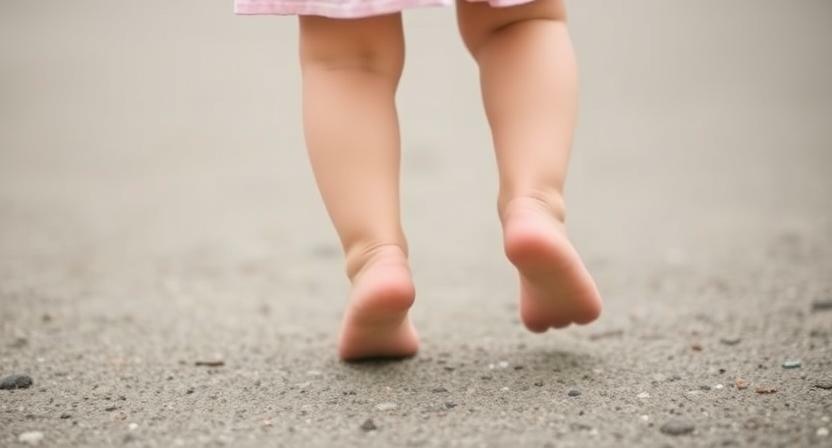
The neurological tiptoe walking pattern shows contracted calf muscles and raised heels.
Neurological tiptoe walking is different from idiopathic toe walking because it is caused by neurological conditions that affect muscle tone and motor control. Children learning to walk (usually before age 2) sometimes walk on their toes. But if they keep doing it after that age, a doctor should check them out.
Patients with neurological toe walking walk on the balls of their feet with their heels off the ground. This pattern happens because the calf muscles are more toned (spastic), which keeps the Achilles tendon short and tight. Over time, this disorder can change the structure of the muscles and tendons, making it harder and harder to walk flat-footed.
The effect goes beyond just how people walk. Children and adults who walk on their toes because of a neurological condition often have trouble with balance, coordination, and activities that require stable foot positioning. If not treated, they may also have long-term musculoskeletal problems.
To manage neurological toe walking well, you need to know what causes it. There are a number of neurological disorders that can cause this walking pattern:
One of the most common reasons for neurological toe walking is cerebral palsy (CP). About 1 in 345 children in the US have the condition. About 80% of people with CP have spasticity, which makes their muscles contract involuntarily and pull their foot into a toe-walking position.
This kind of CP mostly affects the legs and is one of the main reasons people walk on their toes. The continuous contraction of the calf muscles pulls on the heels, preventing them from touching the ground while walking.
This type affects one side of the body, leading to asymmetrical toe walking, where one foot may exhibit more toe walking than the other. This unevenness makes it harder to keep your balance and coordinate your movements.
Studies indicate that around 9% of children with autism spectrum disorder (ASD) engage in toe walking, in contrast to fewer than 0.5% of neurotypical children. The causes may include differences in how the brain processes sensory information, especially in the vestibular system, which controls balance and spatial orientation.
For many neurodivergent people, toe walking may be a way to get more sensory input or to deal with it. Some people with autism may feel more grounded and aware of where their body is when they walk on their toes because of the proprioceptive feedback they get from doing so.
Toe walking patterns can be caused by a number of other neurological disorders, including:
In some cases, toe walking may be idiopathic (of unknown origin) but continue due to the gradual shortening of calf muscles and Achilles tendons.
Spasticity, which is when the muscles become tighter and harder to stretch, is a major cause of neurological toe walking. Managing spasticity well is often the first step in fixing toe-walking patterns.

Botulinum toxin injections are now a useful way to treat spasticity in children older than 2. These shots relax the overactive muscles for a short time, especially in the calves, allowing for less muscle tone and spasticity.
A neurologist or physiatrist usually gives Botox shots, and they are often used with other treatments like physiotherapy and orthotics. Because Botox only lasts for a short time, there is a “window of opportunity” during which other treatments may work better.
There are a number of oral medications that can help with spasticity in neurological toe walking:
Healthcare providers need to keep a close eye on these drugs to make sure they work while keeping an eye on possible side effects like drowsiness or weakness.
Our team of experts can help you create a personalised plan for managing your spasticity that will help you walk on your toes more effectively. Call us today to set up a meeting to talk about options like Botox therapy and managing your medications.
Managing neurological tiptoe walking necessitates a comprehensive strategy that tackles both the physical manifestations of the condition and the fundamental neurological causes. We have found that using more than one type of treatment works best for long-term improvement.

The main part of treating neurological toe walking is physiotherapy. Good physiotherapy programs have:
To improve flexibility and range of motion, you need to stretch your calf muscles and Achilles tendon on a regular basis. You should do these stretches every day, and they might include:
Sit-to-stand exercises help strengthen the muscles that are needed to keep your feet in the right position and encourage your heels to touch the ground. You can change these exercises based on the patient’s age and skills:
Weight-bearing exercises are important for getting the ankle in the right position and getting the heel to touch the ground. Some beneficial activities are:
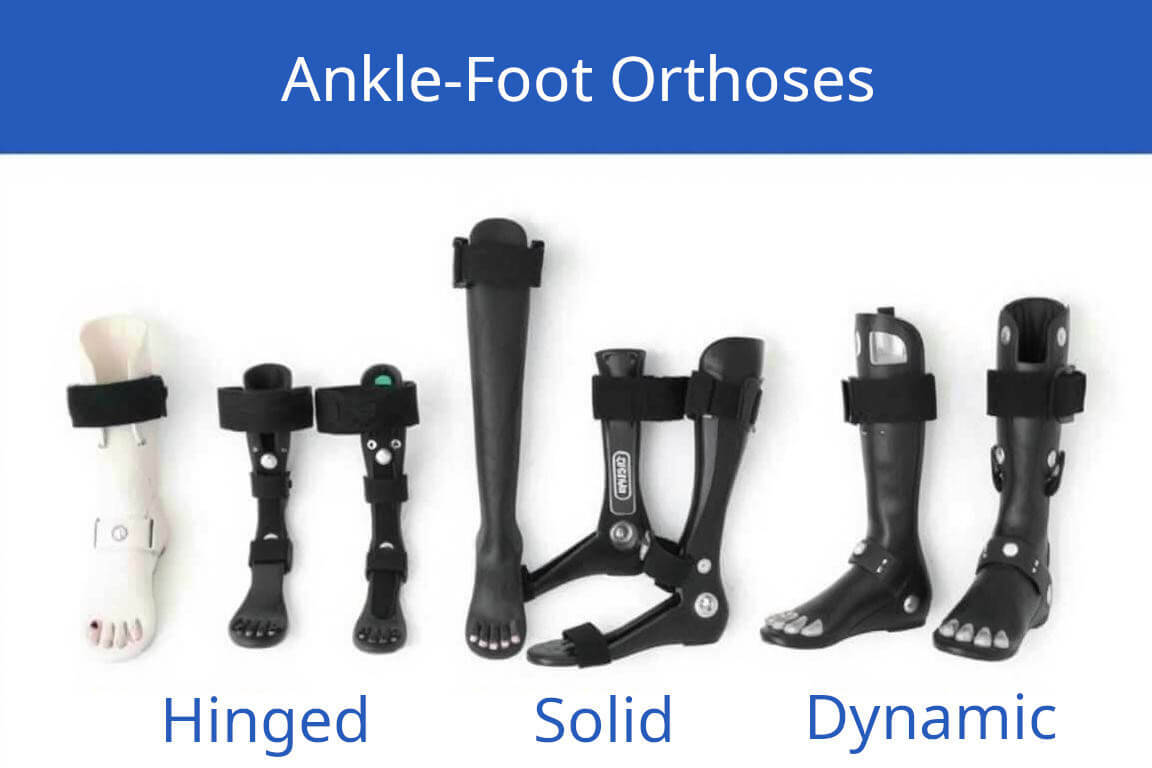
Ankle-Foot Orthoses (AFOs) are custom-made braces that help keep the foot and ankle in the right place while standing and walking. These devices are especially useful for neurological toe walking because they:
Depending on the patient’s needs, different types of AFOs may be suggested:
For children who have a lot of muscle tightness, serial casting may be a beneficial idea. This method includes:
When used with Botox injections, serial casting works best because the muscles are more relaxed and can be stretched better during the casting period.
Wearing the right shoes is very important for managing neurological toe walking. Things to look for include:
Some children may be less likely to walk on their toes if they wear high-top shoes because they give their ankles more support and proprioceptive feedback.
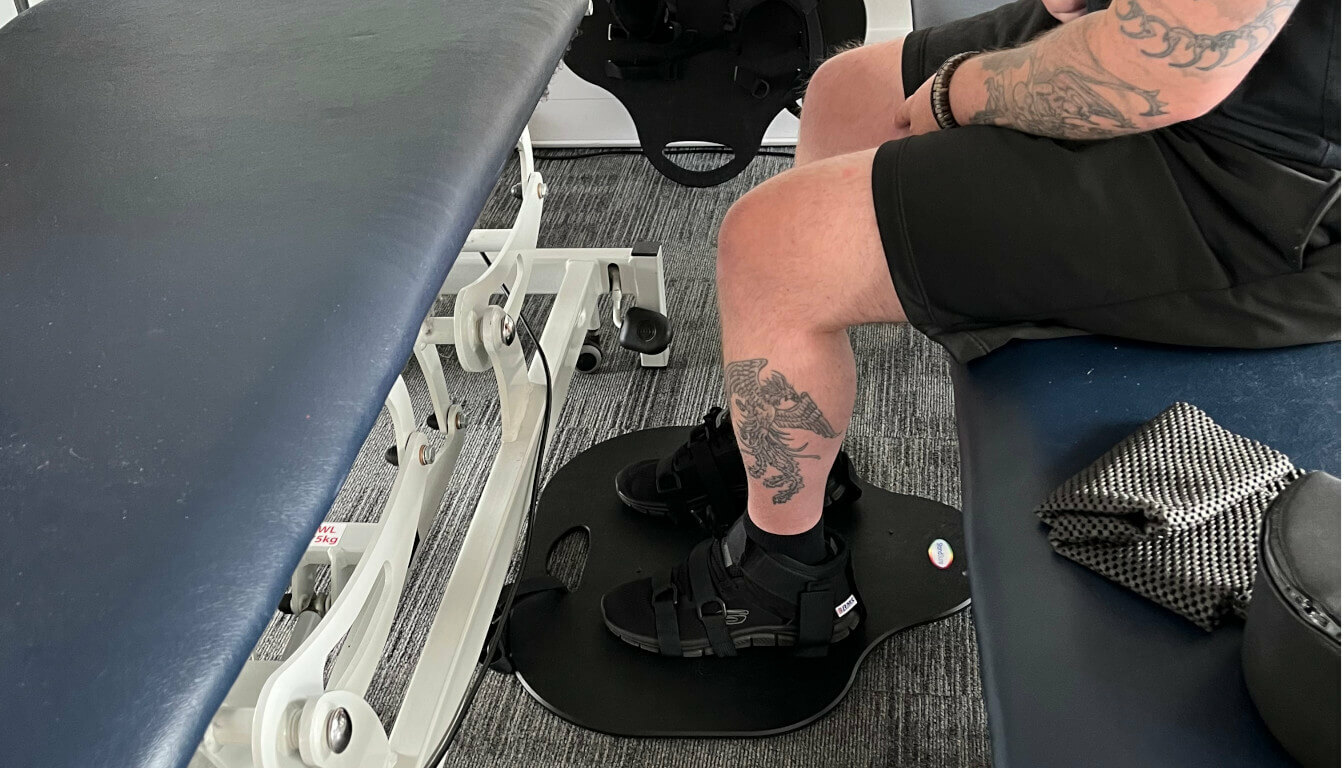
The StandSure board is a new way to deal with neurological tiptoe walking. Physiotherapists designed this specialised therapeutic device to help with the unique problems that come with toe walking.
The StandSure board uses a few important ideas to help you improve your foot placement and walking patterns:
The StandSure board has a number of benefits when used as part of a full treatment plan:
Many patients have been able to walk better and stop toe walking thanks to the StandSure board. It was made with the help of a physiotherapist to deal with the problems that come with neurological toe walking.
The method for treating neurological toe walking is very different for people of different ages. Knowing these differences is important to ensure that the right interventions are in place at each stage of development.
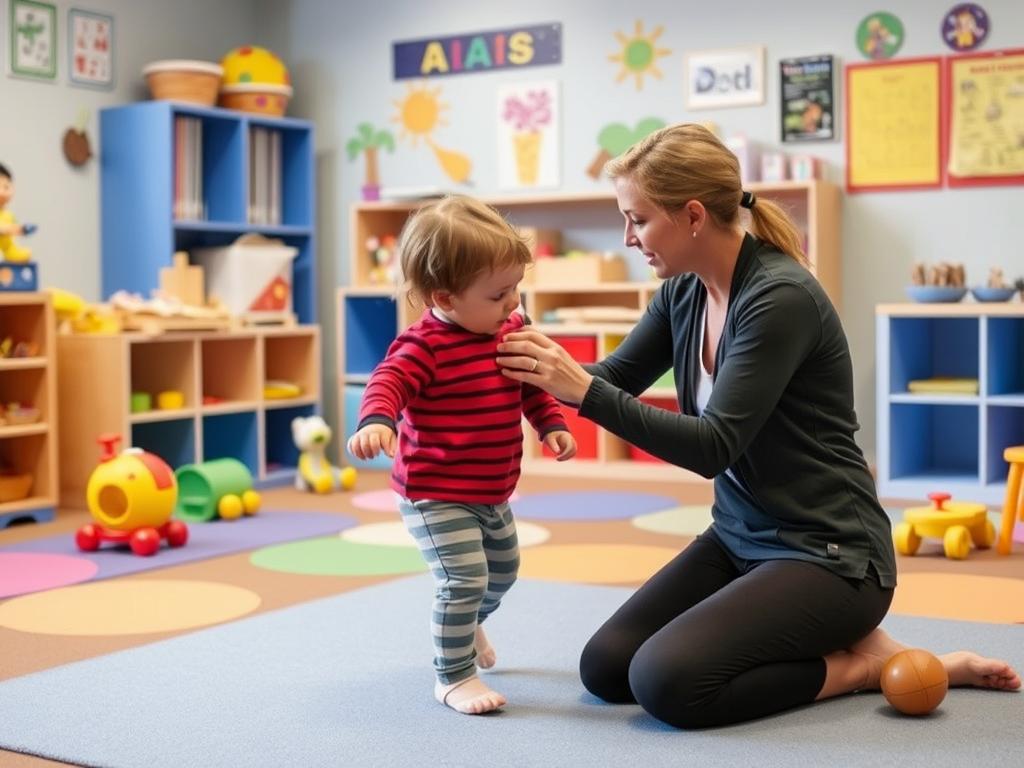
Early intervention is very important for toddlers who still walk on their toes after age two:
At this age, interventions should be mostly positive and based on play so that walking or moving doesn’t become a negative thing.
For school-age children who walk on their toes because of a neurological condition, treatment often becomes more organised:
For children ages 10 to 12, dealing with toe walking becomes more important as they get closer to their teenage years, when changes in their bones and muscles can make it harder to help them.
For teenagers and adults who have been walking on their toes for a long time:
Adults who have walked on their toes since they were children often develop compensatory movement patterns that need a lot of work to correct.
A good evaluation is very important for coming up with good ways to manage neurological toe walking. Families can better use the healthcare system if they understand how the diagnostic process works.

The tiptoe test is a neurological examination method that checks a number of things about how the nervous system and muscles work:
The clinician will watch to see if the patient can voluntarily walk flat-footed when asked during this test. This is important diagnostic information. The inability to walk with heels down even when concentrating suggests physical limitations rather than just habitual patterns.
A comprehensive diagnostic assessment for neurological toe walking generally encompasses:
This all-encompassing method helps find the root cause of toe walking and makes a plan for the right treatment.
To help your child stop toe walking, use the same method every day. This should include stretching the calf muscles every day, encouraging activities that keep the heels down, like squatting while playing, and giving them the right shoes. If your child has neurological toe walking, you should work with doctors to find the root cause and treat it with physiotherapy and possibly orthotic devices like AFOs. The StandSure board can help you do exercises at home. It’s important to be consistent. Gentle reminders to walk with “flat feet” throughout the day can help you remember how to walk correctly.
A sensory-informed approach is often the best way to help people with autism who walk on their toes. This could involve sensory integration therapy, weighted vests or ankle weights to give proprioceptive input, and exercises that put a lot of pressure on the feet. Visual cues, like footprints on the floor, can help people learn how to walk on their heels and toes. AFOs may help, but consider their effect on those with touch sensitivity. The StandSure board can be very useful because it gives both sensory feedback and structural support to help you position your feet correctly. For the best results, always work with therapists who know a lot about both autism and movement patterns.
When someone has idiopathic toe walking (toe walking without a known neurological cause), the first things that doctors usually try are stretching exercises, physiotherapy, and the right shoes. If these methods don’t work, serial casting may be used to slowly stretch the calf muscles and Achilles tendons. AFOs are often given to help keep the range of motion gained from other treatments. Botox injections can temporarily relax the calf muscles in cases that don’t go away on their own. For older children with severe contractures, surgical lengthening of the Achilles tendon may be an option. The best results usually come from early intervention.
Cerebral palsy is the most common neurological disorder that can cause toe walking. Other conditions include muscular dystrophy, Charcot-Marie-Tooth disease, tethered spinal cord syndrome, and some types of spinal muscular atrophy. There is also a link between autism spectrum disorder and toe walking, but scientists are still trying to figure out why the condition happens. Less frequently, stroke, traumatic brain injury, and specific progressive neurological disorders may result in toe-walking patterns. Because each disorder affects gait in a different way, a proper neurological assessment is necessary for making a satisfactory treatment plan.
There are a number of reasons why neurodivergent patients, especially those with autism spectrum disorder, might toe walk. Many people have sensory processing differences that make toe walking more comfortable. This phenomenon is because it reduces sensory input from the heels and gives more proprioceptive feedback through the balls of the feet. For some, toe walking is a way to control sensory overload and keep themselves in check. Some individuals may exhibit variations in their vestibular system (balance centre) that affect gait patterns. Some studies indicate that toe walking may be associated with motor planning difficulties or variations in the brain’s processing of movement information.
Find out how the StandSure board, which was made with the help of physiotherapists, can help people with neurological toe walking by doing specific exercises and putting their feet in the right position.
To manage neurological tiptoe walking, you need a complete, personalised plan that deals with both physical symptoms and neurological causes. There are many evidence-based treatments that can help improve walking patterns and quality of life, such as Botox injections to treat spasticity, physiotherapy techniques, AFOs, and specialised tools like the StandSure board.
Early intervention is crucial, but the right mix of treatments can help people of any age. Patients with neurological toe walking can make big improvements in their ability to function by working closely with healthcare professionals and sticking to the same home strategies.
Keep in mind that progress may be slow, and the goal isn’t always to stop toe walking completely. Instead, the goal is to improve mobility, avoid problems, and improve overall function. People who are managing neurological tiptoe walking can reach their goals of better walking patterns and a better quality of life with time, effort, and the right help.

Book a personalised demonstration of the StandSure™ today by filling out our request form. Have any questions? Call us now, and our team will be happy to assist!


