No products in the cart.
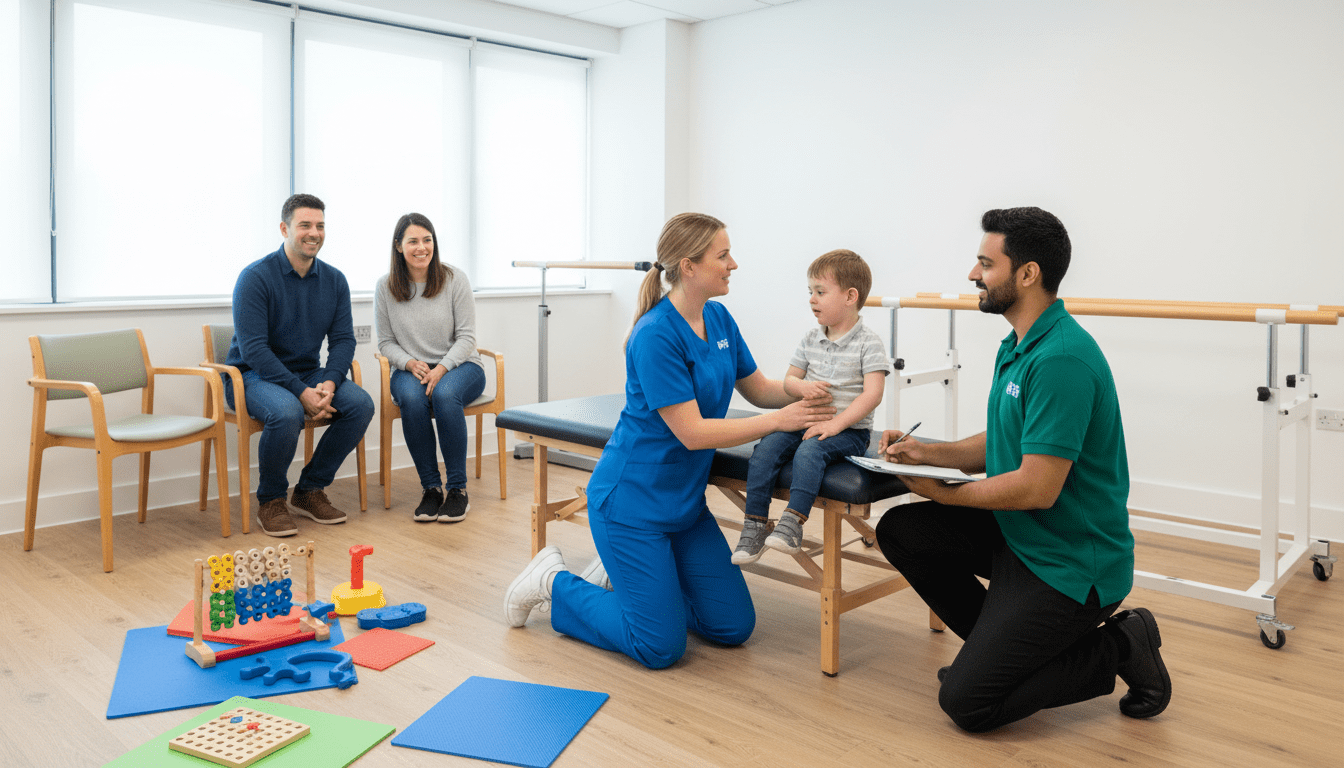

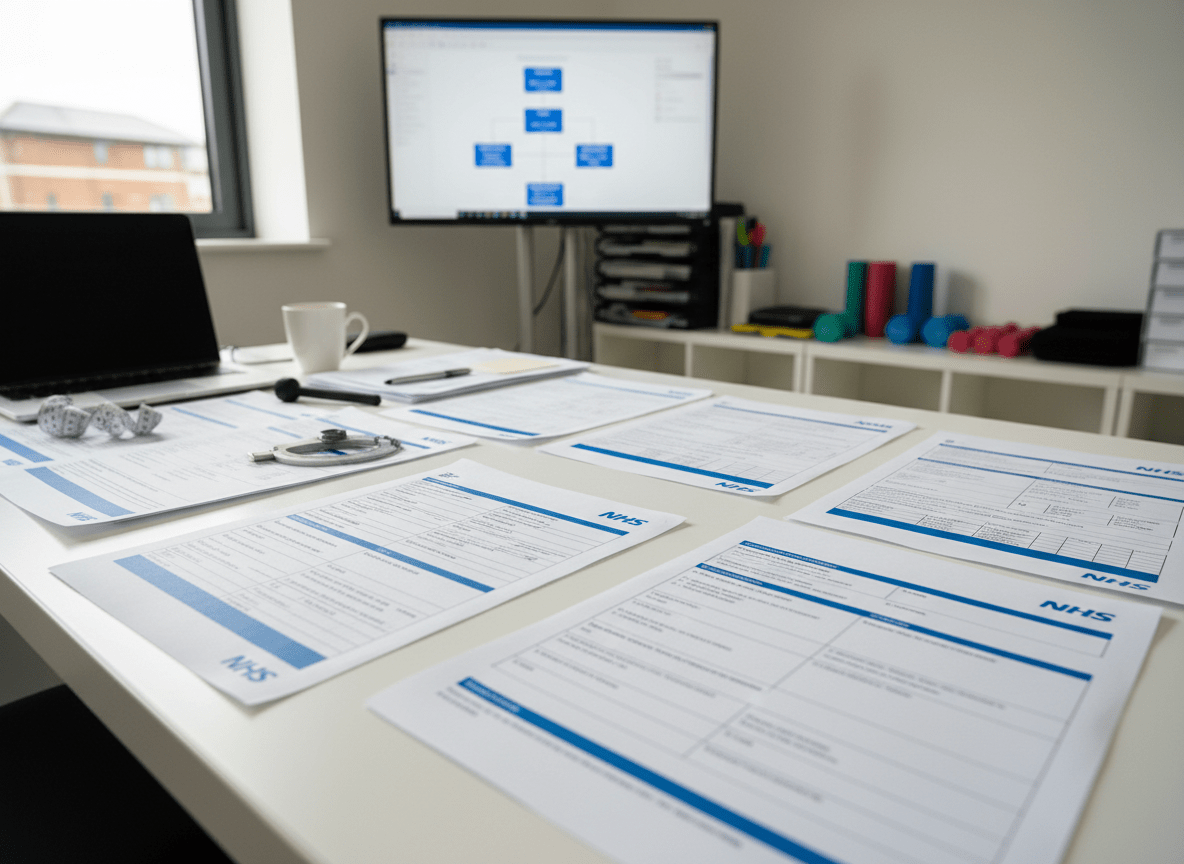
The cerebral palsy integrated pathway defines a structured, standardised approach to the assessment and management of cerebral palsy. Clinical teams gain access to validated assessment instruments that measure motor function, spasticity and functional ability across developmental stages.
CPIP protocols support clinicians at key decision points in management. The integrated pathway combines established frameworks — including the Gross Motor Function Classification System (GMFCS) — with surveillance guidelines for hip displacement and other secondary complications.
The cerebral palsy integrated pathway comprises four interdependent components that together support comprehensive, coordinated care.
Standardised assessments improve consistency of measurement across settings and over time.
Planned monitoring detects early changes and enables timely intervention.
Evidence‑based guidance supports selection and timing of therapies and procedures.
Structured communication and transition processes promote continuity of care.
Implementation of CPIP assessment protocols reduces variation in clinical practice and improves clarity when communicating across disciplines and organisations. Standardised tools enable reliable tracking of motor and functional change, informing timely management decisions.
 The cerebral palsy integrated pathway supports consistent intervention thresholds so that clinicians can reference clear criteria when considering spasticity management, orthopaedic referral or intensive therapy programmes. Consistency reduces unnecessary variation in care and improves families’ experience when moving between services.
Healthcare professionals seeking detailed CPIP protocol information can connect with experienced clinicians who have implemented the pathway across diverse settings. Support includes assessment tool access, training resources and ongoing consultation.
The cerebral palsy integrated pathway is founded on longstanding international research into surveillance and management strategies. Systematic surveillance programmes have been shown to detect hip displacement earlier than opportunistic approaches; incorporation of standardised assessments improves prediction of which children may require more intensive intervention (references to be inserted where local publication or audit data are available).
Available studies indicate that children managed within coordinated, proactive pathways are less likely to require emergency procedures and that planned management permits more efficient allocation of resources, with consequent reductions in unnecessary treatment burden for families.
Where possible, teams are encouraged to reference regional audit and research outputs when describing local CPIP outcomes to provide transparent, evidence‑based statements about effect size and clinical impact.
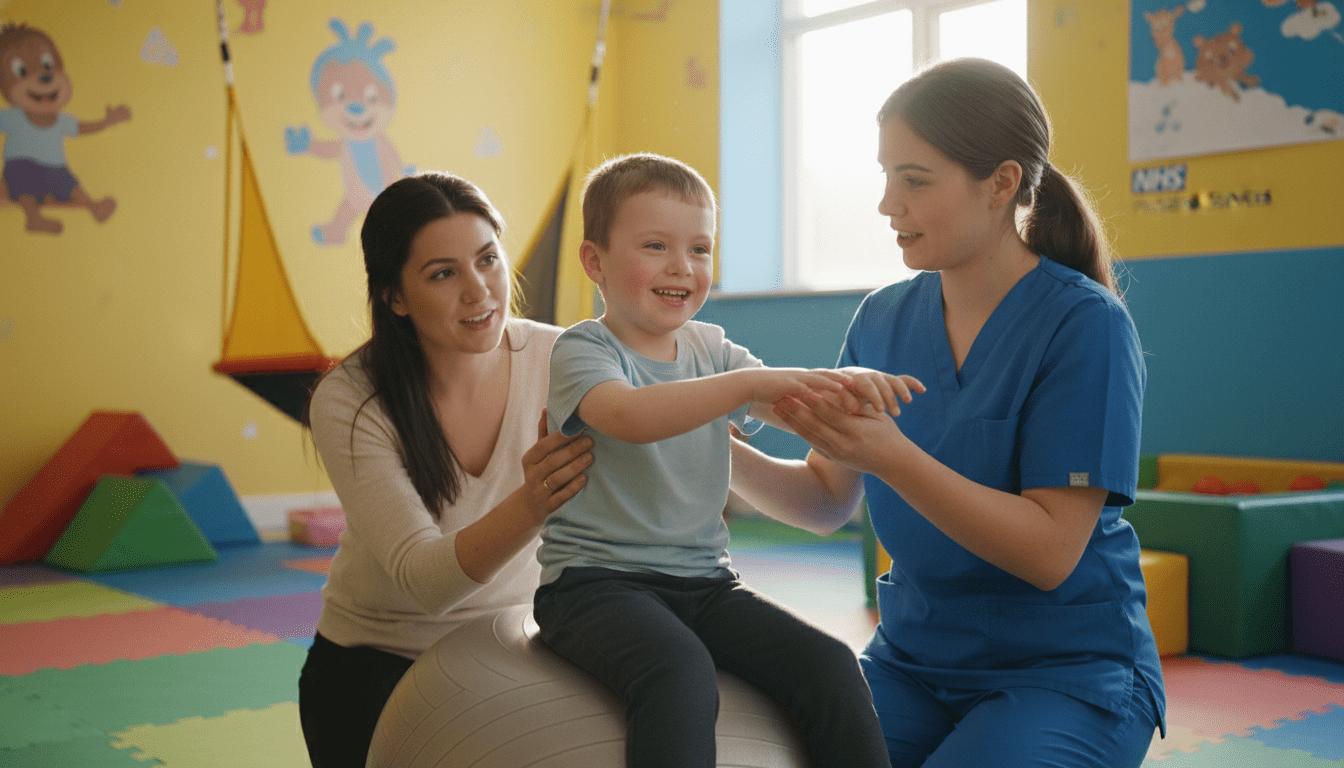 Children with cerebral palsy benefit from coordinated care that adapts to changing needs across development. The palsy integrated pathway provides consistent support as children move between community, education and acute services, reducing fragmentation and promoting continuity.
Families navigating multiple appointments gain clarity from standardised assessment schedules and clear information pathways. Predictable timing for assessments reduces uncertainty about which evaluations are required and when they should occur.
CPIP recognises that priorities change with age. Early childhood interventions focus on promoting motor development and preventing secondary complications; school‑age care emphasises functional independence and participation; and young people approaching adulthood require robust transition planning to adult services.
Assessment protocols address the whole child. Alongside motor and movement evaluation, CPIP frameworks incorporate screening for communication, learning needs and psychosocial wellbeing to inform individualised management plans.
Family‑centred care is central to CPIP. Parents and carers hold essential knowledge about a child’s preferences, abilities and response to interventions; structured tools within the pathway capture these priorities and ensure they shape clinical decision‑making.
The palsy integrated pathway links carers to evidence‑based information tailored to specific presentations and stages of development. Clear guidance reduces information overload by identifying which assessments and interventions are most relevant at each age.
Parents supported through CPIP report increased confidence in navigating complex services and greater clarity about expected care pathways. Where available, regional evaluation data should be cited to substantiate local family experience and outcomes.
Families seeking information about accessing CPIP services in their region can contact clinical coordinators for guidance on assessment schedules, therapy options and local network resources. Support is available for newly diagnosed children and those transitioning between services.
 Clinicians managing cerebral palsy cases gain considerable benefit from peer support and shared learning. The CPIP‑UK Regional Network connects teams across geographical and service boundaries to promote consistent, high‑quality care.
Regional coordinators convene regular meetings where members of multidisciplinary teams share implementation experience, discuss complex cases and review emerging evidence. These meetings support local adaptation of CPIP while preserving core pathway standards.
The palsy integrated pathway functions through regional hubs aligned with NHS organisational boundaries. Each hub has a coordinating team that supports local implementation, fosters communication between services and acts as a conduit for regional resources and guidance.
Network membership spans physiotherapy, occupational therapy, orthopaedics, paediatrics and community health practitioners. This multidisciplinary composition ensures balanced clinical perspectives for pathway decision‑making and service development.
CPIP regional networks provide structured continuing professional development tailored to cerebral palsy management. Programmes focus on assessment tool administration, interpretation of surveillance data and evidence‑based intervention selection.
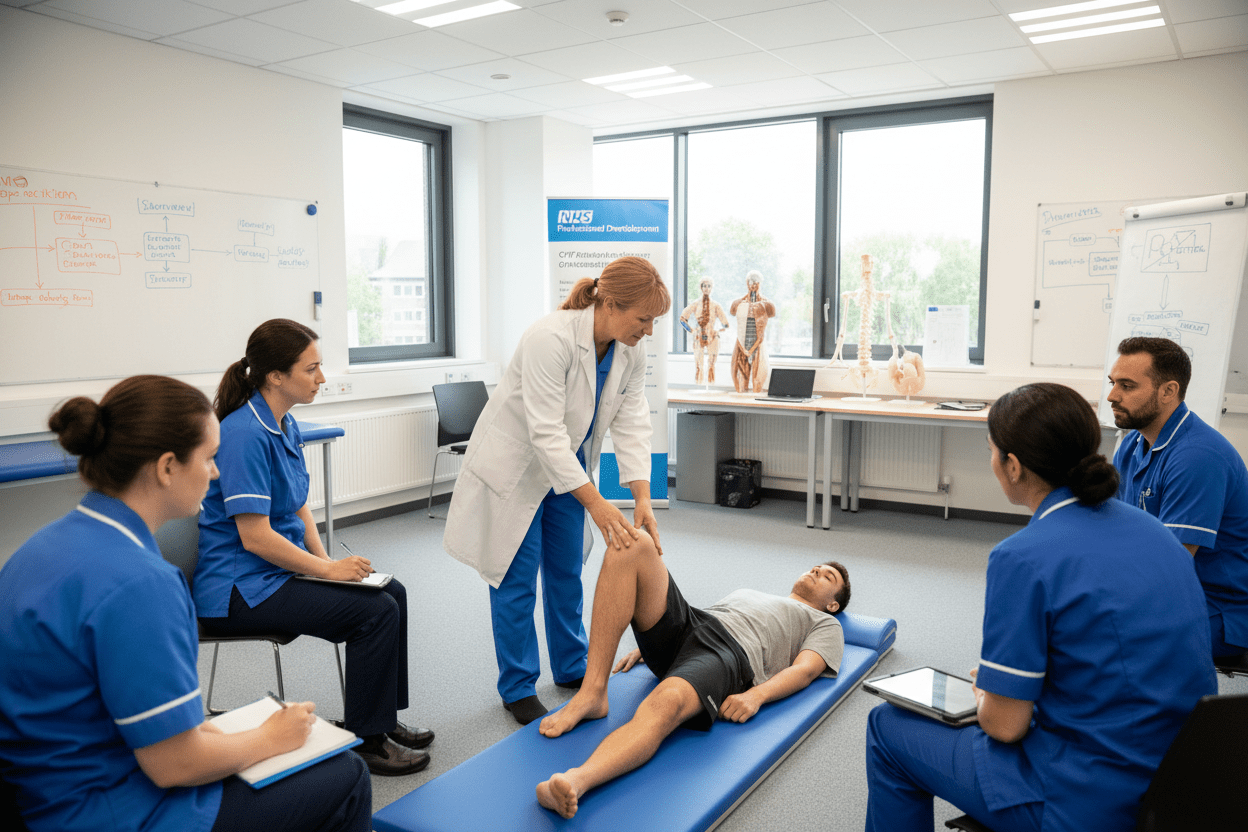 Experienced clinicians mentor colleagues new to paediatric services or cerebral palsy specialisation, strengthening workforce capability and promoting consistent standards across teams. Practical learning opportunities include case discussion forums, hands‑on training and peer review.
The network also facilitates rapid access to specialist advice when teams encounter rare or complex clinical scenarios, enabling local clinicians to draw on wider experience without delay.
Regional networks support collaborative research and multi‑centre service evaluation that examine pathway effectiveness and patient outcomes. Such collaboration produces robust evidence on which interventions deliver meaningful functional change.
Service improvement initiatives identify unwarranted variation and test practical solutions. Teams share successful approaches to caseload management, documentation systems and multidisciplinary coordination that may be adapted across regions.
Connect with experienced cerebral palsy specialists across the region who implement CPIP protocols in diverse clinical settings and patient groups.
Access structured training in CPIP assessment protocols, surveillance systems and intervention planning through regional education programmes.
Participate in peer review and collaborative problem‑solving for complex cerebral palsy presentations requiring multidisciplinary expertise.
Teams establishing or expanding cerebral palsy services can draw on network resources and practical guidance. Regional coordinators assist with pathway documentation, selection of validated assessment tools and planning for team training.
A shared repository of service specifications, job descriptions and operational policies reduces duplication of effort and shortens development timelines. Learning from established services helps new teams navigate common barriers to implementation.
Hip surveillance is a core element of cerebral palsy management within CPIP. Children with significant motor impairment are at increased risk of hip displacement because of muscle imbalance and altered biomechanics, and planned monitoring permits earlier detection and intervention.
The palsy integrated pathway specifies protocols for hip monitoring and timely preventive measures. Regular clinical review combined with risk‑based radiographic assessment aims to identify migration before pain or meaningful functional decline occurs.
Evidence indicates a clear relationship between motor function level and hip displacement risk. Children at GMFCS levels IV and V typically require the most intensive surveillance because limited weight‑bearing and atypical muscle tone increase migration risk.
CPIP guidance recommends assessment frequency tailored to individual risk factors; higher‑risk children undergo more frequent imaging and clinical review to detect progressive displacement that may need surgical or orthotic intervention.
Early identification of hip migration enables less invasive management options. Preventative strategies such as positioning, targeted therapy and orthotic support are generally more effective when instituted before significant displacement develops.
Regular weight‑bearing contributes to hip development in children with restricted independent mobility. Structured standing programmes provide mechanical loading that supports bone density and helps maintain joint congruency as part of a broader intervention package.
Therapeutic standing equipment allows children with limited mobility to achieve consistent weight‑bearing. Appropriately selected and prescribed aids support hip alignment while providing trunk and lower‑limb stability necessary for safe standing sessions.
The StandSure therapeutic standing system is one example of standing equipment used within CPIP pathways. The design includes adjustable components to accommodate individual anatomical differences and changing needs as children grow.
Within CPIP, teams consider standing programmes as part of an integrated approach to hip health. Where prescribed, standing systems should be matched to clinical criteria and family capacity to support regular daily use without requiring therapist supervision for every session.
Therapeutic standing equipment that supports hip integrity while addressing broader developmental goals can provide significant value within a comprehensive cerebral palsy management plan. Clinical teams should review available evidence and product guidance when considering specific devices.
Healthcare teams should evaluate each child against established CPIP criteria when prescribing standing equipment. Device selection must consider motor function level, spasticity patterns and family capacity to implement daily programmes. Where claims about specific products are made, teams are advised to consult manufacturer evidence and independent evaluations to support clinical decision‑making.
Therapeutic standing aid specifically designed to maintain hip integrity in children with cerebral palsy through optimal weight-bearing alignment and adjustable positioning.
Comprehensive guidance on implementing StandSure standing programmes within CPIP protocols, including positioning techniques and session duration recommendations.
Integrated surveillance protocols that combine regular radiographic assessment with therapeutic interventions including structured standing programmes.
The cerebral palsy integrated pathway treats standing as a core therapeutic intervention rather than an optional adjunct. Assessment pathways include evaluation of standing equipment needs as part of comprehensive management planning.
Teams implementing CPIP establish clear criteria for prescribing standing programmes; factors such as hip surveillance results, movement patterns, spasticity and family capacity inform individualised recommendations.
Periodic review ensures equipment continues to meet the child’s changing needs as they grow. Adjustable systems can reduce the need for frequent replacement while maintaining therapeutic benefit.
Successful adoption of CPIP requires a systematic approach to service change. Teams introducing CPIP assessment protocols and surveillance systems benefit from structured support that aligns pathway requirements with local workflows and resource availability.
Regional coordinators provide tailored implementation support, including staff training, development of documentation, and practical troubleshooting of operational issues.
CPIP identifies validated assessment instruments appropriate for paediatric cerebral palsy populations; teams should select tools that match local patient demographics and available resources while preserving pathway standards.
Key implementation points for assessments:
Robust recall and administrative systems are essential to deliver scheduled surveillance without overwhelming capacity. Practical approaches include central recall lists, role allocation for follow‑up and prioritisation rules based on risk stratification.
 Digital systems support tracking of multiple surveillance streams (hip imaging, spinal assessment and functional measurement) and can generate automated reminders to reduce missed appointments. Where digital solutions are not available, structured paper‑based recalls with clear owner identification remain acceptable interim approaches.
CPIP includes guidance on managing surveillance results that indicate need for intervention; clear referral thresholds and referral pathways ensure timely access to specialist input when clinical changes emerge.
Effective cerebral palsy management depends on coordinated activity across professional groups. CPIP establishes formats for multidisciplinary team meetings that standardise information sharing and document decisions clearly.
Practical recommendations for team coordination:
| Service Component | Key Personnel | Assessment Focus | Intervention Scope |
| Physiotherapy | Paediatric physiotherapists | Gross motor function, muscle tone, movement patterns | Mobility training, positioning, equipment prescription |
| Occupational Therapy | Paediatric occupational therapists | Fine motor skills, activities of daily living, sensory processing | Upper limb function, adaptive equipment, school participation |
| Orthopaedics | Paediatric orthopaedic surgeons | Hip surveillance, spinal screening, contracture monitoring | Surgical intervention, botulinum toxin, orthotics |
| Paediatrics | Community paediatricians | Overall health, comorbidity management, developmental surveillance | Medication, feeding, seizure management, care coordination |
| Speech Therapy | Speech and language therapists | Communication, swallowing safety, feeding skills | Augmentative communication, dysphagia management, oral motor therapy |
Clear, standardised documentation is central to CPIP. Records should capture assessment results, surveillance data, intervention plans and outcome measures in a format that supports clinical decision‑making and service evaluation.
Electronic health records facilitate secure information sharing and can improve access for families via patient portals, subject to local data governance arrangements. When implementing digital systems, teams should ensure that access controls, consent processes and data quality checks are in place.
The pathway specifies a minimum dataset to support surveillance, benchmarking and research. Consistent data collection enables ongoing quality improvement and contributes to multi‑centre evaluation of CPIP effectiveness.
Demonstrating the effectiveness of the integrated pathway requires systematic outcome measurement that captures both clinical change and service experience. CPIP defines metrics to evaluate functional improvements alongside patient and family‑reported experience measures.
Teams routinely track functional change using validated instruments administered at predefined intervals. Longitudinal measurement permits assessment of whether interventions deliver meaningful gains in mobility, independence and participation.
The cerebral palsy integrated pathway prioritises outcomes that matter to children and families rather than changes limited to impairment level. Measurement frameworks therefore capture activity, participation and functional ability as well as impairment‑based metrics.
Motor function classification (for example GMFCS) provides a stable descriptor of overall capability and helps guide intervention intensity. Changes within or between levels, when combined with validated outcome tools, indicate therapeutic effectiveness and inform ongoing management decisions.
Service quality extends beyond clinical indices to include how care is experienced by children and families. CPIP recommends collecting family feedback through standardised patient‑reported experience measures and local satisfaction surveys to identify service gaps and priorities.
Regularly gathered feedback enables responsive service adaptation. Teams may adjust appointment scheduling, communication approaches and modes of intervention delivery in response to identified barriers, always ensuring confidentiality and adherence to data‑protection requirements.
Continuous quality improvement is integral to the palsy integrated pathway. Regular audit cycles examine adherence to surveillance schedules, timeliness of intervention access and completion of standardised assessments. Audit findings should be linked to targeted improvement initiatives.
Recommended practice includes use of a minimum dataset that permits local benchmarking and contribution to regional or national evaluation. Regional networks support comparison between services so that teams can learn from high‑performing peers and adapt successful strategies to local contexts.
Where ratings or performance figures are presented, teams should reference the data source, sample size and date to ensure transparency. Inclusion of validated patient‑reported outcome measures (PROMs) and patient‑reported experience measures (PREMs) is encouraged; suggested instruments and administration frequency can be aligned with CPIP guidelines and local governance requirements.
Clinicians and families seeking information about CPIP services can connect directly with experienced clinical coordinators. Regional teams provide practical guidance on pathway implementation, assessment protocols and accessing local networks of support.
Multiple contact routes are available to accommodate differing needs. Professional teams may submit detailed enquiries via structured contact forms, while urgent clinical questions can be addressed by email for rapid response.
Connect with CPIP clinical coordinators for tailored guidance on pathway implementation, assessment tool access, regional network membership and family support resources. Experienced professionals offer advice suitable for teams at any stage of adoption.
Occupational therapists and physiotherapists seeking to develop cerebral palsy expertise may access structured learning through CPIP regional networks. Programmes cover assessment administration, surveillance protocols and evidence‑based intervention selection.
Mentorship arrangements link less experienced clinicians with pathway experts for ongoing consultation and case‑based learning, strengthening workforce capability and promoting consistent standards across services.
Parents and carers can access CPIP family resources that explain assessment processes, surveillance schedules and intervention options in clear, accessible language. Materials aim to support informed decision‑making and reduce uncertainty.
Regional coordinators also facilitate connections to peer support networks and condition‑specific charities, which provide practical advice informed by lived experience.
Contact the regional coordinator to request implementation support. Typical initial steps include staff training, adoption of standardised assessment tools and establishment of surveillance systems. Regional networks provide ongoing consultation as local adaptations are refined.
CPIP supports children from early diagnosis through transition to adult services, commonly spanning birth to 18 years. Assessment schedules and surveillance guidance adapt to developmental stages, with specific recommendations for infants, school‑age children and young people approaching adulthood.
CPIP operates through healthcare providers rather than direct family enrolment. Families receive pathway benefits when their local services have adopted CPIP. Parents seeking information about local availability should contact regional coordinators for clarification on service configuration.
The pathway enhances existing services by providing structured frameworks for assessment, surveillance and intervention planning. Integration is achieved by aligning CPIP tools with local workflows; regional coordinators support planning to address potential overlaps while respecting established local practice.
CPIP is informed by international research demonstrating benefits of systematic surveillance and standardised assessment in cerebral palsy care. UK implementation evaluations report improvements in hip surveillance compliance and earlier detection of complications; teams should reference local audit data when describing regional outcomes.
 The Cerebral Palsy Integrated Pathway demonstrates how structured, evidence‑based approaches can transform fragmented services into coherent care systems that better serve children and families. Implementation of CPIP across services supports more consistent practice and, where measured, has been associated with improvements in service quality and clinician experience.
Systematic assessment and surveillance enable proactive management that reduces the risk of preventable complications and helps to optimise functional outcomes. Children and young people benefit from timely, developmentally appropriate interventions delivered by coordinated multidisciplinary teams rather than by isolated services.
For families, clear pathways and standardised communication reduce the burden of navigating complex systems. Family‑centred approaches within the integrated pathway ensure clinical decisions reflect family priorities and practical circumstances, improving engagement and satisfaction.
Regional networks underpin service development and continuous improvement. Shared learning across hubs helps clinicians respond to changing evidence and service demands so that children consistently access high standards of care regardless of location.
The pathway’s inclusion of therapeutic interventions such as structured standing programmes illustrates its comprehensive scope. Where equipment is proposed, teams should assess suitability against CPIP criteria and consult available evidence to integrate interventions into family routines safely and effectively.
CPIP remains a living framework: protocols continue to be refined in response to emerging evidence and service evaluation findings. Clinicians and service leads seeking to enhance cerebral palsy management are encouraged to engage with regional CPIP networks for implementation support, access to resources and opportunities for collaborative improvement.

Book a personalised demonstration of the StandSure™ today by filling out our request form. Have any questions? Call us now, and our team will be happy to assist!


