No products in the cart.


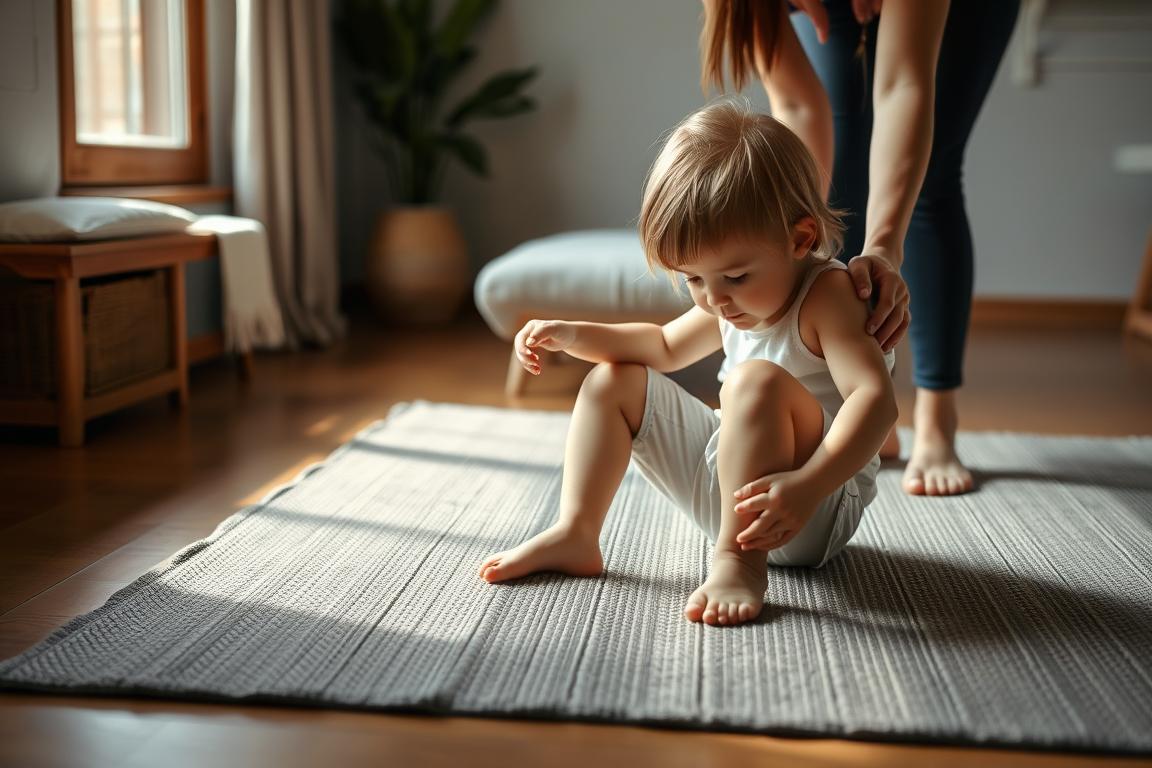
Sensory toe walking is not the same as idiopathic toe walking (which has no known cause) or toe walking caused by medical conditions like cerebral palsy or muscular dystrophy. When a child walks on their toes for sensory reasons, it’s because of how their brain processes sensory information from their body and the world around them.
Sensory toe walking happens because of how a child’s nervous system takes in and reacts to sensory information. Sensory-based toe walking does not go away on its own like normal toe walking does because it serves a neurological purpose for the child. Here are the main reasons:

Children who have trouble processing sensory information may see the world in a different way. Their brains may have trouble correctly processing sensory information, which can cause them to do things like walk on their toes to make up for it. For some children, toe walking gives them more sensory feedback that makes them feel safer and more aware of where their body is.
Some children are more sensitive to touch, especially on the bottoms of their feet. When you walk on your toes, you make less contact with the ground, which makes your feet feel less uncomfortable. This is why you might notice that you walk on your toes more on some surfaces or when you’re not wearing shoes.
Our sense of balance and where we are in space is controlled by the vestibular system. Children who have trouble processing vestibular information might walk on their toes to get more stability and control over their movements, which makes them feel safer when they are moving around.
“I’ve learnt that a lot of children who toe walk are actually looking for certain kinds of sensory input or trying to avoid feelings that make them uncomfortable. To be able to help, it’s important to know what the sensory root causes are.”
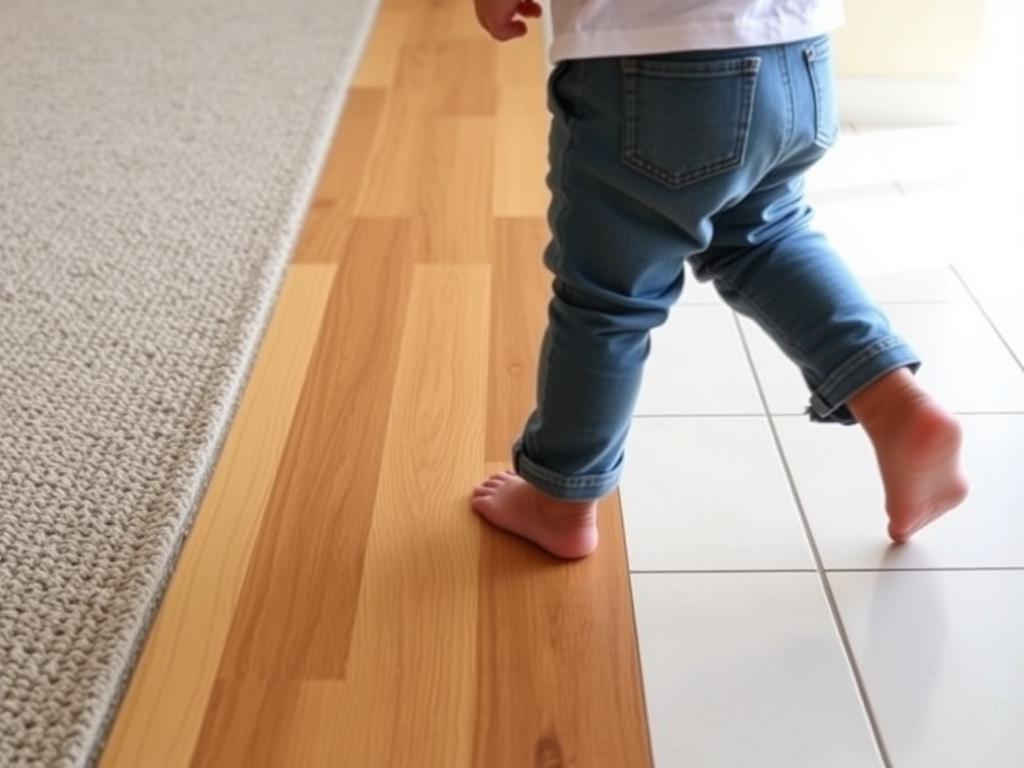
Children with autism spectrum disorder walk on their toes much more often than children who are neurotypical. Studies show that up to 45% of autistic children walk on their toes, while only 5% of children without ASD do. This connection isn’t random; it has to do with the way people with autism process sensory information differently.
| Aspect | Sensory Toe Walking in ASD | Typical Toe Walking |
| Prevalence | 20-45% of children with ASD | Less than 5% of neurotypical children |
| Duration | Often persists beyond age 3-5 | Usually resolves by age 2-3 |
| Response to Cues | Can walk flat-footed when reminded but quickly returns to toes | More consistently responds to correction |
| Situational Factors | Often increases with excitement, anxiety, or sensory overload | Less affected by emotional state |
For a lot of children with ASD, toe walking is a way to stim (self-stimulate). Toe walking can give your nervous system predictable, rhythmic sensory input, just like hand-flapping, rocking, or spinning. Walking on your toes can help calm and organise your brain because it puts consistent pressure on your feet and gives you proprioceptive feedback.
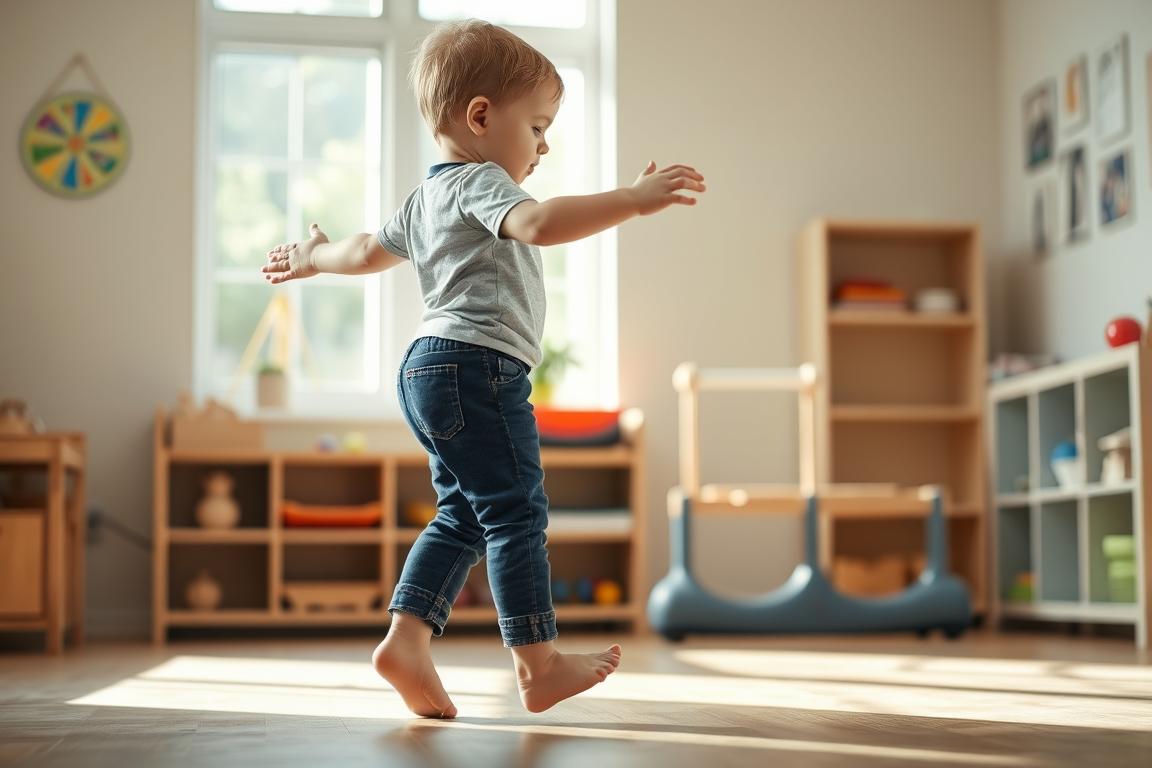
Although sensory toe walking is not immediately detrimental, chronic toe walking may result in various complications:
To help someone who is sensory toe walking, you need to look at both the sensory needs that are causing the behaviour and any physical changes that may have happened. The best treatments use both sensory integration strategies and physical therapy techniques.
Because sensory toe walking is caused by how the brain processes sensory information, sensory integration therapy can be very helpful. These methods are all about helping the nervous system process and react to sensory input more quickly.
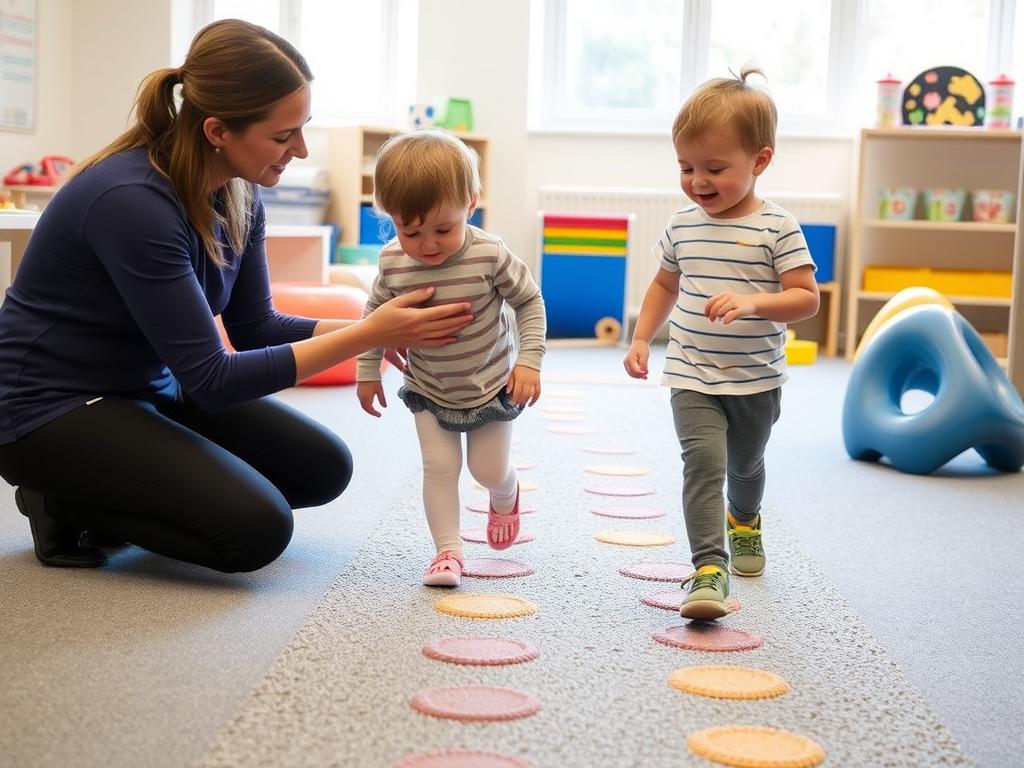
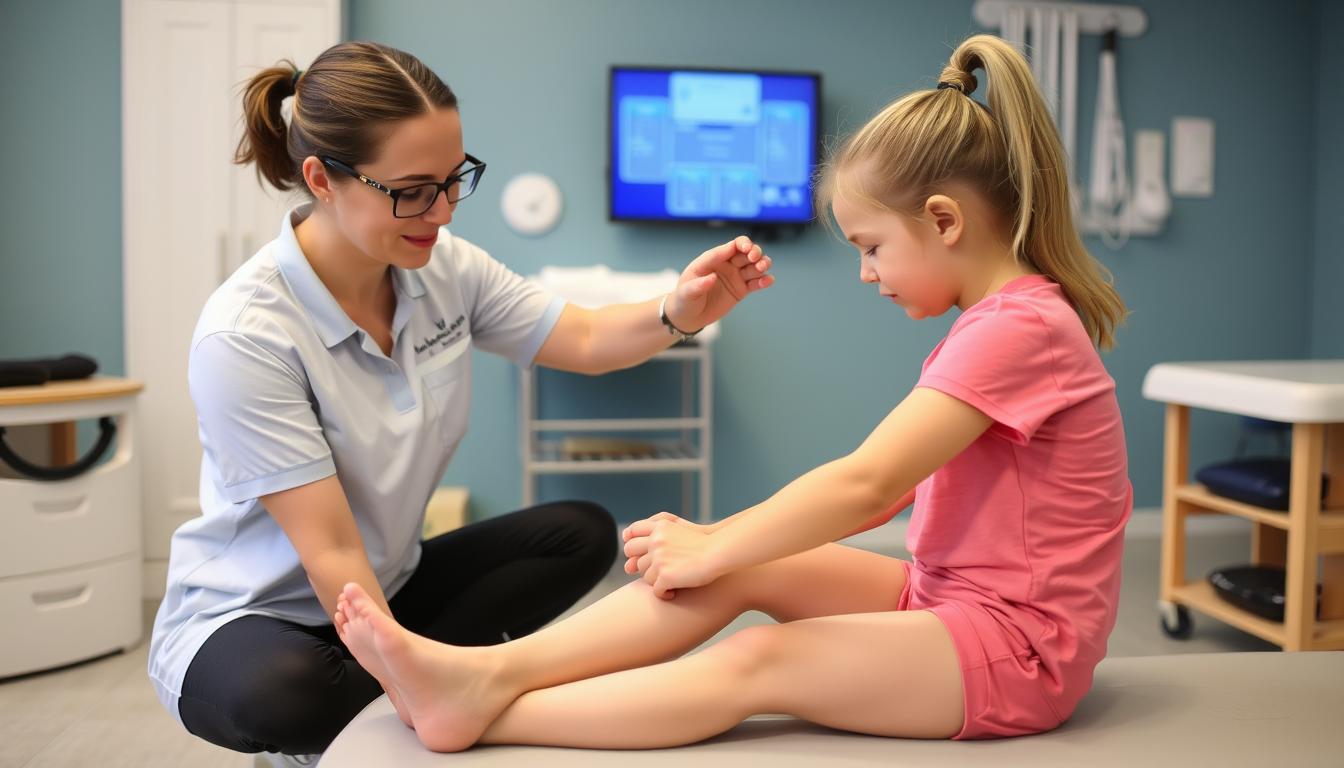
If you have tight muscles or bad movement patterns because you’ve been walking on your toes for a long time, physical therapy is very important. A qualified physiotherapist can figure out what your child needs and make a plan for how to help them.
Stretching the Achilles tendon and calf muscles on a regular basis helps keep them flexible and able to move. These could be standing calf stretches, towel stretches, and ankle movements with help.
Building up the muscles in the front of your shins (the anterior tibialis) helps keep your calf muscles strong. Heel walking, picking up marbles with your toes, and doing the ankle alphabet are all good exercises.
Certain exercises that encourage walking on your heels and toes help the brain and muscles learn new things. These could be walking up and down hills, stepping over things, or using visual cues on the floor.
Designed by a physiotherapist, this portable sit-to-stand aid stabilizes feet, promotes symmetrical weight bearing and heel strike, and supports aligned posture during exercises. When used alongside a qualified physiotherapist, it facilitates quicker progress in balance, coordination, and muscle memory.
Grounding exercises help children pay more attention to their feet and how they touch the ground. These methods can be very helpful for sensory toe walkers who need to learn more about their bodies.
If sensory and physical therapy don’t work, your doctor may suggest other treatments:
It’s important to get professional help, but there are many things you can do at home to help your child make progress. When therapy sessions and everyday life are the same, it helps reinforce new ways of moving and processing sensory information.

Your home can either help or hurt your child’s ability to process sensory information. To make the space more helpful, think about making these changes:
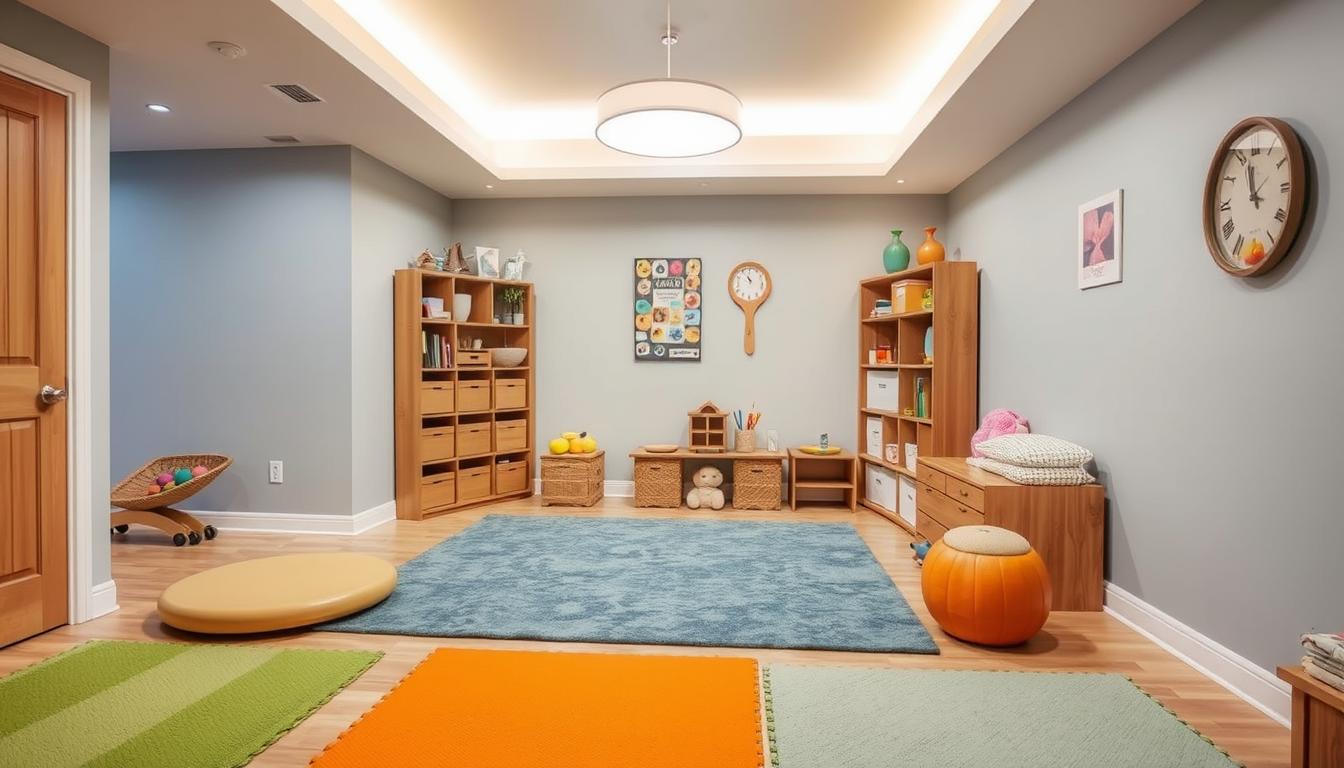
Make a sensory path with different textures, like foam tiles, carpet squares, and textured mats, to get children to explore and be aware of their feet as they move from one activity to the next.
To meet proprioceptive needs, plan regular breaks during the day for activities like jumping, climbing, and heavy work.
To help people become more aware, put friendly signs about “flat feet” or “heel walking” in places where toe walking happens a lot.
Some toe walking is normal in the early stages of development, but there are some signs that show you need to see a professional for help. Taking action now can help your child’s overall growth and keep problems from getting worse in the future.

A full sensory toe walking assessment usually involves a team of healthcare professionals working together to get a complete picture of your child’s needs:
The evaluation will probably include watching how your child walks, measuring how flexible their muscles and joints are, testing how well they process sensory information, and talking about their developmental history and daily activities.
The first step in helping your child move more evenly is to learn what a sensory tiptoe walker is. Keep in mind that sensory toe walking isn’t just a bad habit; it’s also a sign that your child has special sensory processing needs. Most children can make a lot of progress with the right mix of sensory integration strategies, physical therapy techniques, and helpful things they do at home.
 The trip might take a while, and progress might not always be smooth. Be patient with problems and celebrate small wins. Children who walk on their toes with sensory issues can learn to move better, be more aware of their bodies, and feel more confident in their physical abilities with regular help and the right interventions.
If you’re worried about your child’s toe walking, I suggest talking to a paediatric occupational therapist or physiotherapist who works with children who have trouble processing sensory information. The best results come from acting early. If you want to help your child with their therapy, the StandSure board is a excellent addition to a full treatment plan.
No, sensory toe walking is more common in children with autism (affecting 20-45% of children with ASD), but it can also happen in children with sensory processing disorder who don’t have autism. Some neurotypical children may also toe walk because of how they like to feel things. But if toe walking continues after age 3, a professional should look into it to find out why.
If you don’t do anything about it, toe walking can cause shortened Achilles tendons and calf muscles, less range of motion in the ankles, balance problems, and pain in the feet, ankles, or legs. Early intervention helps avoid these physical problems while also meeting the person’s sensory needs.
Physiotherapy works on both the physical and sensory parts of toe walking. A physiotherapist can help with tight muscles by giving them stretching exercises, with weak muscles by giving them strengthening activities, with walking by teaching them how to walk with their heels and toes, and with sensory integration by addressing their underlying sensory needs. Adding tools like the StandSure board can help make therapy more effective.
Idiopathic toe walking is when someone walks on their toes for no known medical reason. Sensory toe walking is a type of toe walking that happens when a child’s sensory processing is different. They walk on their toes to get certain sensory input (like proprioception) or to avoid uncomfortable sensations (like certain textures). There are different ways to treat sensory toe walking. For example, it needs both physical and sensory integration strategies.
Children who are just learning to walk often walk on their toes, but this should get better over time. If your child is still toe walking after the age of 2 or 3, walks on their toes more than half the time, or shows more toe walking as they get older instead of less, you should talk to a doctor about it.

Book a personalised demonstration of the StandSure™ today by filling out our request form. Have any questions? Call us now, and our team will be happy to assist!


