No products in the cart.


Idiopathic toe walking (ITW), also known as habitual toe walking, is a pattern where children walk on the balls of their feet with their heels consistently raised off the ground. The term “idiopathic” indicates that there’s no known medical cause for this walking pattern. It’s important to distinguish this from toe walking associated with neurological conditions like cerebral palsy or muscular dystrophy.
Most children naturally walk on their toes when first learning to walk, but typically develop a heel-to-toe walking pattern by age 3. When toe walking persists beyond this age without an identifiable medical cause, it’s classified as idiopathic toe walking. Research suggests that approximately 7-24% of children experience this condition, with boys and girls affected equally.
The hallmark of idiopathic toe walking is the ability to walk flat-footed when reminded or asked to do so, though this becomes more difficult as children grow older. By age 5-6, many children with persistent toe walking develop tightness in their calf muscles and Achilles tendons, making it physically challenging to place their heels on the ground.
While the exact cause of idiopathic toe walking remains unknown, several factors may contribute to this walking pattern:
Research has shown that children who toe walk often have tighter calf muscles and Achilles tendons, which can restrict the range of motion in their ankle joints. This physical limitation makes it difficult to achieve a normal heel-to-toe walking pattern. However, it’s not always clear whether the toe walking causes the muscle tightness or if the muscle tightness leads to toe walking.
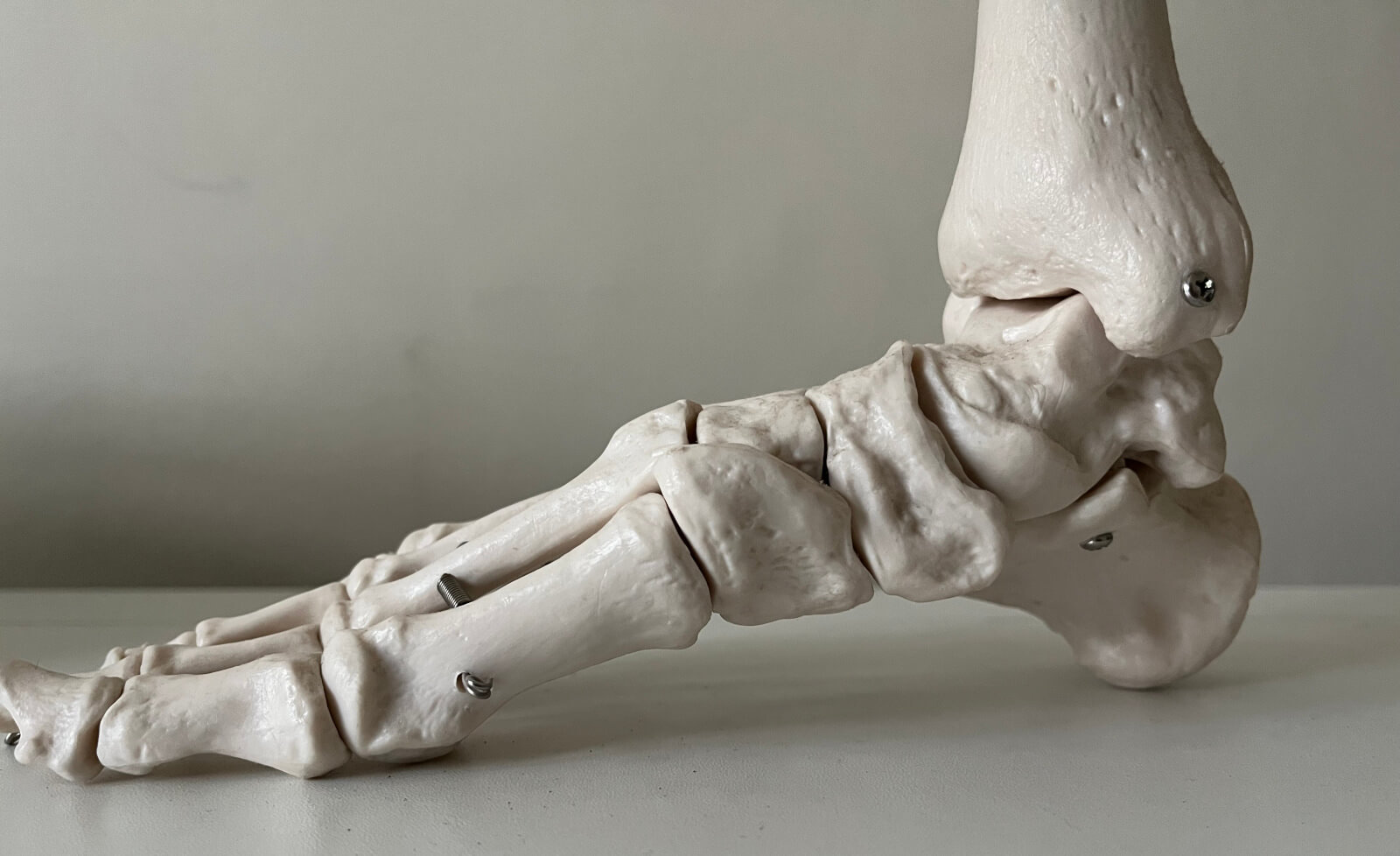
The gastrocnemius and soleus muscles connect to the Achilles tendon, which can become tight in children who toe walk
It’s worth noting that while toe walking is more common in children with autism spectrum disorder (approximately 9% compared to 0.5% in neurotypical children), most children with idiopathic toe walking do not have autism. The relationship between sensory processing and toe walking continues to be an area of active research.
If your child continues to toe walk beyond age 3, it’s advisable to consult with a healthcare professional such as a paediatric physiotherapist. The diagnostic process typically involves:
A physiotherapist will undertake a thorough subjective and objective assessment of your child.
The diagnosis of idiopathic toe walking is typically made after ruling out other potential causes, such as cerebral palsy, muscular dystrophy, or spinal cord abnormalities. Your healthcare provider may refer you to a paediatric orthopaedic specialist, or neurologist, or physiotherapist for further assessment.
Physiotherapy plays a crucial role in the comprehensive management of idiopathic toe walking. A skilled physiotherapist can undertake a thorough subjective and objective assessment of your child.
Physiotherapy sessions typically incorporate a variety of exercises and activities designed to improve muscle flexibility, strength, balance, and coordination. These might include:
In addition to formal treatments, there are several practical strategies you can implement at home to encourage your child to walk with their heels down:
Consistency is key with these strategies. Incorporating them into daily routines and making them fun can increase your child’s engagement and the effectiveness of these approaches.
Implementing a comprehensive approach to managing idiopathic toe walking involves combining multiple strategies:
Combining these strategies with professional interventions like physiotherapy creates a comprehensive approach to managing toe walking. The key is consistency and positive reinforcement, celebrating progress rather than criticising toe walking when it occurs.
An orthotist can assess the gait pattern to determine if insoles, wedges in the shoes or a UFO (universal foot orthosis) or an AFO (ankle foot orthosis) is needed.
Orthotics are typically worn for several months and may be used in combination with other treatments like physiotherapy and stretching exercises. They will need to be replaced when the child outgrows them.
For children with significant tightness in the calf muscles and Achilles tendon, serial casting may be recommended. This treatment involves:
Long-term follow-up studies show that with appropriate intervention, the majority of children with idiopathic toe walking develop normal gait patterns and experience no significant long-term complications. However, untreated persistent toe walking can lead to:
This underscores the importance of addressing toe walking proactively rather than assuming children will simply “grow out of it.”
Idiopathic toe walking is a common condition that, with proper intervention, can be effectively managed. The key to success lies in a comprehensive approach that combines professional treatment with consistent home strategies.
Early identification and intervention are crucial, as addressing toe walking before the development of significant muscle tightness yields the best outcomes. Working closely with healthcare professionals—including paediatricians, orthopaedic specialists, and physiotherapists—ensures that your child receives appropriate assessment and treatment.
Remember that managing idiopathic toe walking is a journey that requires patience and consistency. Celebrate small improvements and focus on making the necessary exercises and activities enjoyable for your child. With the right combination of professional guidance, home strategies, and supportive tools like the StandSure balance board, you can help your child develop a healthy, natural walking pattern that will serve them well throughout life.

The StandSure balance board is designed to work alongside professional physiotherapy, providing an engaging way for children to improve foot posture and reduce toe walking. Developed with input from physiotherapists, it’s a valuable tool in your comprehensive approach to managing idiopathic toe walking.

Book a personalised demonstration of the StandSure™ today by filling out our request form. Have any questions? Call us now, and our team will be happy to assist!


