No products in the cart.


Music therapy is a regulated healthcare profession in which a trained music therapist uses music within a therapeutic relationship to support a person’s physical, emotional, cognitive and social needs. Sessions are planned around individual goals and may include live music, singing, improvisation, songwriting, movement, rhythm, listening or discussion.
The person does not need musical training. A session may involve a voice, a drum, a guitar or a simple sound. The therapist adapts the process to communication ability, age, culture, health and preferences.
Music-based wellbeing activities can be valuable. A ward playlist, a community choir or personal listening may reduce stress and create connection. These activities are not automatically clinical therapy.
Professional therapy includes assessment, agreed goals, clinical boundaries, review and safeguarding. The therapist observes responses and adjusts the intervention. The music is the tool, while the therapeutic relationship provides the framework.
Important: A song may feel healing, but personal listening should not be presented as a replacement for medical, psychological or rehabilitation treatment.
Yes. Music can influence attention, breathing, movement, memory and emotions. Its effect varies between people. A rhythm that helps one person focus may irritate another, particularly during pain, sensory overload or acute illness.
Discuss your goals with a healthcare professional before arranging support, especially when trauma, neurological symptoms or severe mental health concerns are present.
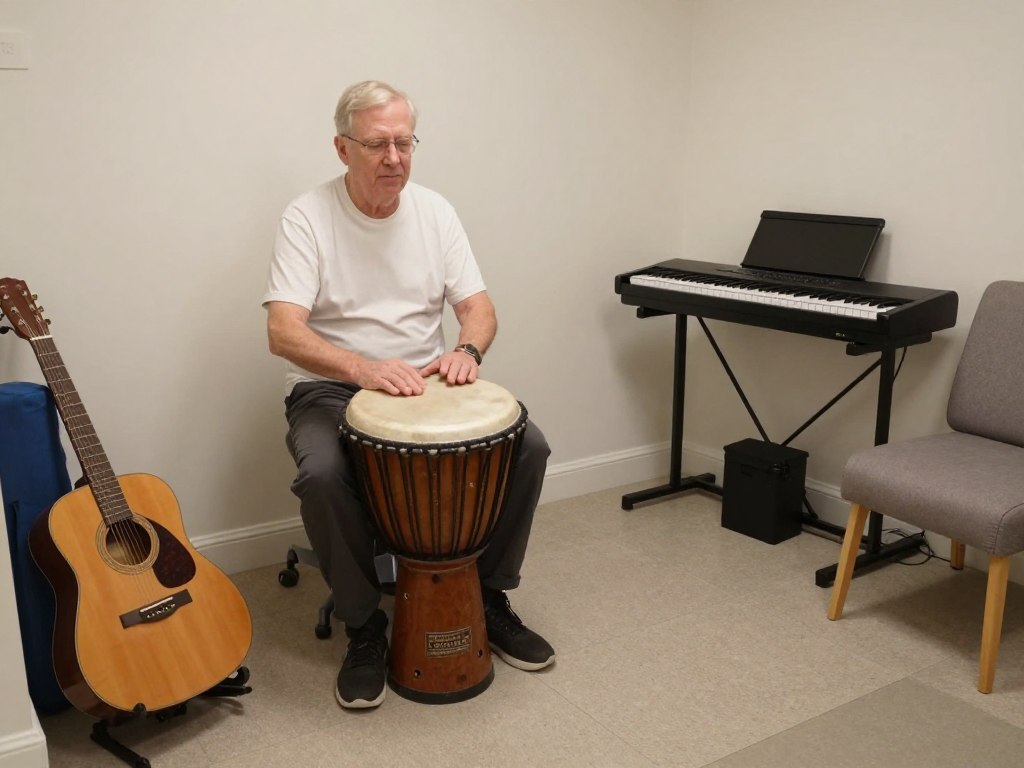
A first meeting usually explores the person’s history, communication style, strengths, risks and goals. The therapist may ask about preferred music, difficult sounds, cultural identity and previous treatment. Consent remains central, and participation can change from week to week.
Music therapists do not judge musical ability. They use clinical listening and observation to notice changes in communication, mood, movement, arousal and engagement. In an acute environment, the therapist may coordinate with nurses, physiotherapists, occupational therapists, psychologists and doctors.
Children may use sound and play to express needs that are hard to explain. Adults may use structured music work during rehabilitation, mental health treatment or palliative care. Family members can sometimes join, where this supports the person’s goals and privacy.
Sessions may be individual or shared. Group work can support communication, confidence and social connection, but it must still be planned around safety and ability.
The person creates sound through voice, instruments, rhythm or movement. This can support expression and participation.
The person listens to live or recorded music while noticing mood, memories, breathing or physical responses.
Songwriting, lyric discussion and improvisation can provide a safe route into communication and reflection.

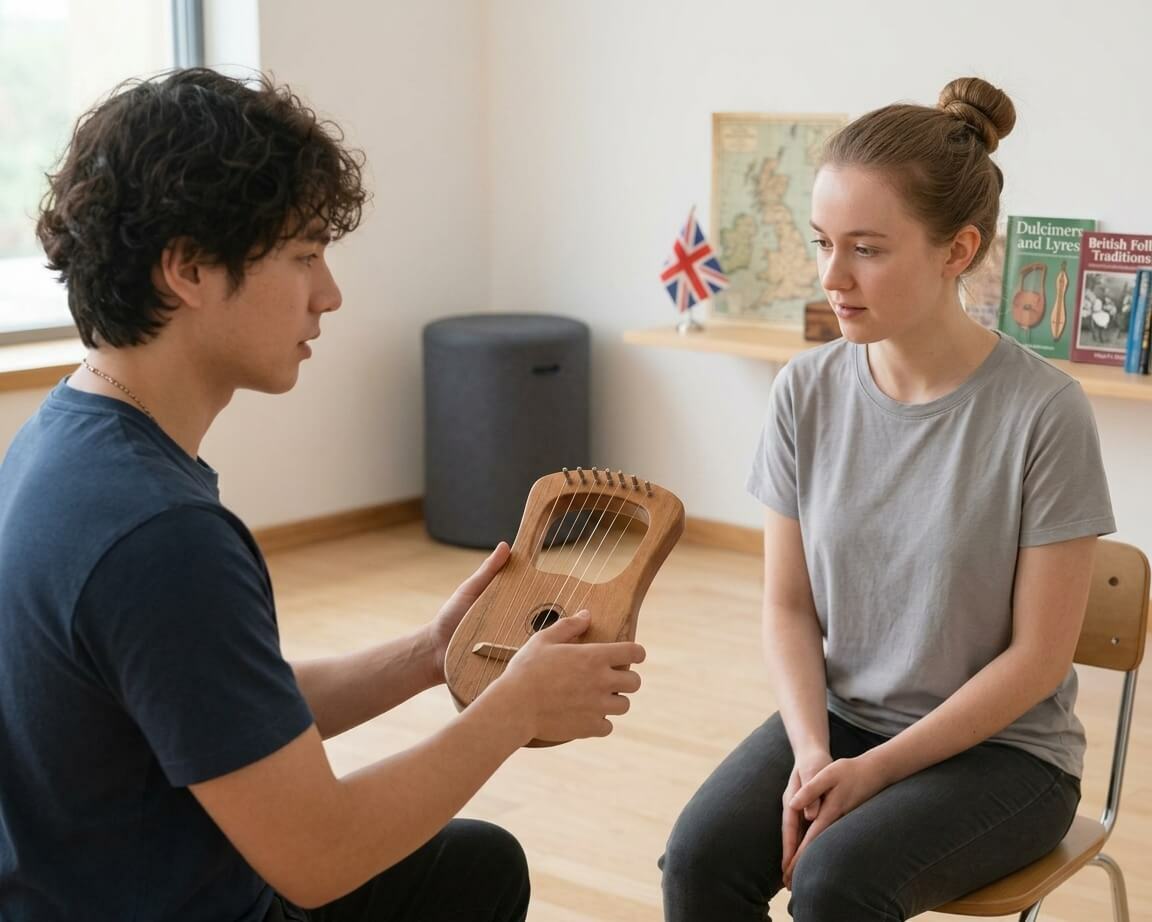
Music therapy may be offered alongside standard care when a person has goals involving communication, emotional regulation, memory, movement, relationships or quality of life. It is not a universal treatment, and suitability depends on assessment.
In mental health services, music may help people explore emotions, practise grounding and strengthen a therapeutic relationship. It can provide a non-verbal route when conversation feels too demanding.
For people affected by trauma, music may support control, identity, connection and emotional processing. However, music can also trigger memories or distress. Trauma-informed care requires pacing, choice, consent and skilled clinical support. Music cannot heal trauma on its own and should complement appropriate psychological or medical care.
Familiar songs may support recognition, shared attention and connection for some people living with dementia. Responses differ, and music should respect the person’s history rather than assume that old songs will always help.
In palliative care, music may support comfort, meaning, family connection and emotional expression. The aim is not to force a positive mood. The therapist responds to what the person needs in that moment.


Research suggests potential benefits across selected settings, including communication, mood, social interaction, stress management and rehabilitation. Results depend on the condition, intervention, setting, outcome measure and quality of the therapeutic relationship.
A systematic review meta-analysis may combine findings from several studies, but a combined result does not remove differences between studies. Some research has small samples, short follow-up periods or limited comparison groups. Blinding is also difficult because participants know whether music is being used.
Good practice combines research evidence, clinical expertise and the person’s preferences. A qualified therapist should explain the intended outcome, how progress will be reviewed and what will happen if a session becomes uncomfortable.
A healthcare professional can help compare music therapy with other treatment options and arrange an appropriate referral.
Organised music therapy developed strongly during and after the world wars, when musicians visited hospitals and observed how music affected morale and recovery. The field later developed formal training, clinical supervision and research. Its history is longer than modern professional regulation, because communities have used music for care and connection for centuries.
UK practitioners normally complete an approved postgraduate music therapy training route. Entry requirements vary, but courses commonly expect a relevant degree or equivalent experience, strong musical skills and evidence of emotional maturity. Applicants may need practical musicianship, including the ability to use voice or an instrument such as guitar or piano.
Training usually takes around two years full time, although part-time routes can take longer. Current course and registration requirements should be checked with the Health and Care Professions Council and the British Association for Music Therapy.

Begin with a GP, consultant, psychologist, physiotherapist, occupational therapist, school support team or palliative care professional when the need is linked to a health condition. They can help identify goals, risks and suitable services.
Ask whether the practitioner is appropriately qualified, registered where required, insured and experienced with the relevant population. Confirm the session length, fees, location, cancellation policy, communication arrangements and how information is shared with the wider team.
Provides music experiences and care-related information. Use the official website for current service details and contact information.
A professional organisation offering UK information about music therapy, training and finding qualified practitioners.
Offers music-based support and information. Check its official contact page for current programmes and email details.
Contact details: Organisation staff, addresses and email routes can change. Before publication, confirm the current telephone number and email address on each organisation’s official contact page rather than reproducing an unverified address.

The Cleveland Clinic page has a strong B2C clinical information goal. Its audience is mostly cold readers who want a trustworthy explanation before speaking with a professional. The surrounding healthcare ecosystem commonly supports navigation towards appointments, services or related treatment information. The tone is neutral and authoritative, which reduces anxiety and supports a later care decision.
Its most useful CTA lesson is context. A reader receives a definition, uses, risks and practical information before being encouraged to take a clinical next step. The action is usually a link or service-navigation prompt rather than a hard sell.
Mulberry Bush has an educational and charitable purpose. It speaks to families, carers, professionals and supporters, so the audience includes cold B2C readers and warmer people looking for help. Its likely conversion objectives include making contact, learning about services, referring someone or supporting the organisation. The tone is personal, compassionate and community-focused.
The lesson is audience choice. A page can serve several needs when buttons and links are labelled clearly. “Contact us”, “Learn more” and support-focused actions should not compete with one another.
Psychology Today targets people actively considering therapy, alongside professionals and family members researching options. This creates a warmer B2C audience. Its directory-style pathway is a clear lead-generation CTA: the reader can search for a therapist or review a therapy type before making contact. The format is highly actionable, but the reader still needs to check qualifications, availability and suitability.
| Page intent | Audience | CTA lesson | Recommended action |
| Clinical education | Cold patients and carers | Build trust before asking | Explore access options |
| Charitable support | Families and professionals | Offer several clear routes | Contact a recognised organisation |
| Therapist discovery | Warmer therapy seekers | Make the next step specific | Find professional guidance |
Music can form the central method of a professional therapy session, but ordinary listening is not automatically music therapy. Clinical work includes a qualified therapist, agreed goals, consent and review.
Music may support trauma recovery by helping with expression, grounding and connection. It can also trigger difficult memories, so trauma-informed professional care is important. Music should complement, not replace, appropriate treatment.
People have used music in care for centuries. Modern organised music therapy grew during the twentieth century and later developed formal education, research and professional standards.
No single UK figure captures all NHS, community, education, private and charitable services. Availability and reporting vary, so local providers are the best source for current service numbers.
An approved UK postgraduate route commonly takes about two years full time, with longer part-time options. Entry criteria and registration rules should be checked with current professional sources.
They assess needs, build a therapeutic relationship, plan music-based interventions, manage safety, record progress and work with the wider care team.
Evidence indicates possible benefits for selected goals, but effectiveness varies. A systematic review meta-analysis can show overall patterns, although study quality and methods differ.

For personal advice, speak with a healthcare professional or contact a suitably qualified music therapist through a recognised UK organisation. Seek urgent help through appropriate health services when safety is at risk.
Music therapy is a structured clinical service that uses music to support individual goals. It may help with communication, emotions, relationships, movement and quality of life, yet outcomes differ. Clear information, qualified care and shared decision-making provide the safest foundation.

Book a personalised demonstration of the StandSure™ today by filling out our request form. Have any questions? Call us now, and our team will be happy to assist!


