No products in the cart.


Mastectomy and breast-conserving procedures produce predictable changes to the chest wall, shoulder girdle and upper arm that alter everyday movement in the weeks after surgery. Disruption of pectoral muscles, division of small sensory nerves and removal of lymph nodes each create specific rehabilitation challenges that physiotherapy aims to address.
The early response to breast surgery typically includes local inflammation, protective muscle guarding and altered proprioception, all of which limit shoulder movement temporarily. Surgical drains, wound dressings and postoperative discomfort further reduce natural arm swing and reaching during the first days after the operation.
After the immediate recovery phase, longer-term issues may arise that require ongoing management. Physiotherapy uses progressive exercise, scar and tissue mobilisation, and education about tissue adaptation to reduce the impact of these problems on daily life.
If any persistent loss of movement, increasing pain or unusual swelling occurs, contact the breast care nurse or physiotherapy service for assessment and tailored advice.
Clinical protocols commonly recommend initiating gentle movement within the first 24–48 hours after breast surgery to reduce the risk of joint stiffness and to support circulation, while respecting the requirements of surgical wound healing. Early activity should remain pain‑limited and must avoid strain on incision sites or drains.
Beginning simple, controlled movements soon after the operation helps preserve shoulder joint mobility and reduces the likelihood of frozen shoulder, a condition that can substantially lengthen rehabilitation and limit everyday tasks that require arm elevation.
Important Safety Note: Follow the specific timing and precautions given by the surgical team and breast care nurse. Certain procedures — for example immediate reconstruction or complex oncoplastic techniques — may require a modified or delayed exercise programme. Seek clarification from the breast care nurse or physiotherapist if uncertain.

Perform these gentle exercises while lying or sitting with good back support. Keep movements within a comfortable, pain‑limited range and repeat throughout the day as advised by the physiotherapy team.
A staged exercise programme over the weeks after surgery gradually restores shoulder movement, chest wall flexibility and arm strength. Exercises progress in a controlled sequence that respects tissue healing, reduces deconditioning and minimises secondary problems from prolonged immobility.
Timing for progression depends on the extent of surgery, reconstruction type, lymph node removal and individual healing. The breast care nurse and physiotherapy team will provide personalised timelines based on wound assessment and recovery markers.
In the first two weeks post‑operation, focus on pain‑free joint mobility and gentle movement to prevent stiffness. Mild tightness or pulling sensations are common and typically ease with regular, gentle practice.
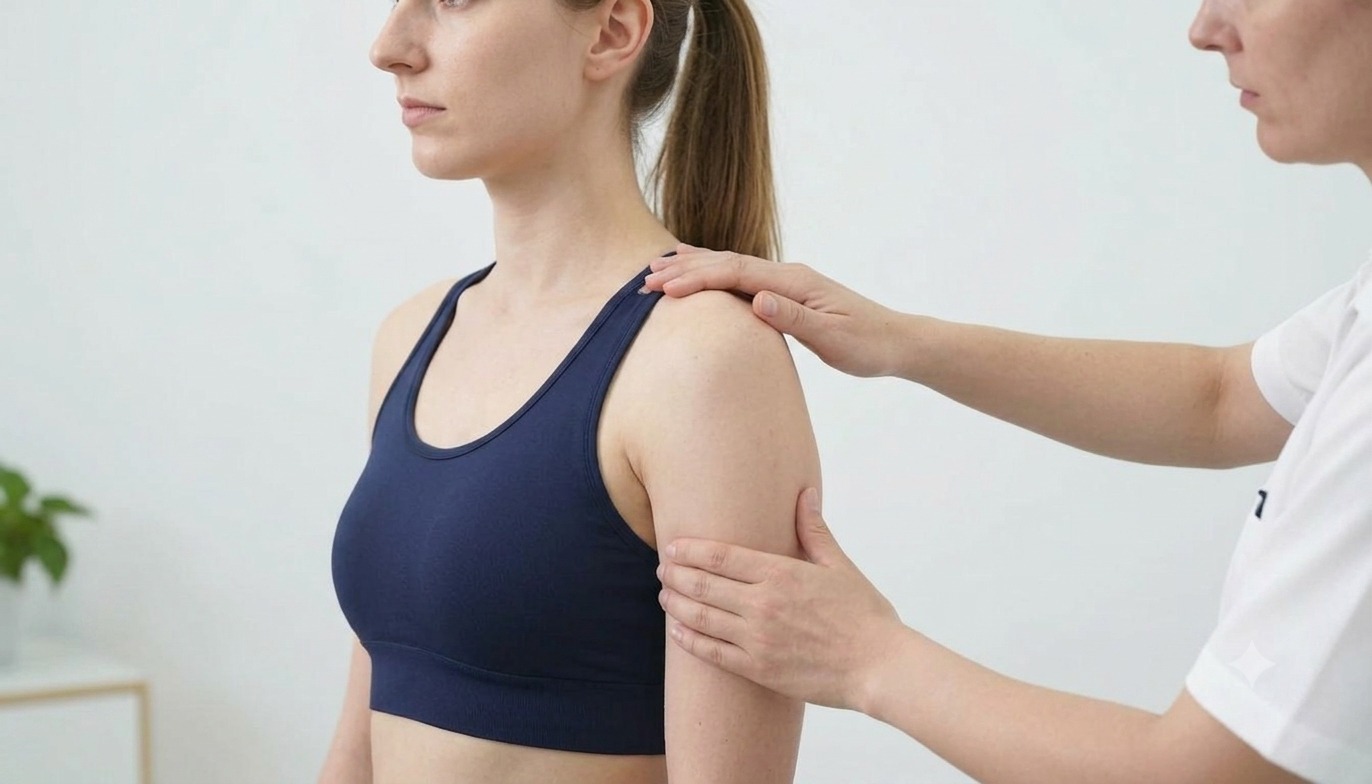
Sit or stand with arms relaxed by the sides. Roll the shoulders backwards in smooth, controlled circles.
With the arm at the side and the elbow straight, lift the arm slowly out to the side only as far as comfortable. Hold briefly, then lower with control.
Face a wall and place the fingertips on the surface. ‘Walk’ the fingers up the wall as flexibility allows, then return down.
As wounds heal and drains are removed, progress to larger ranges including full arm elevation, rotational movements and practical reaching patterns to support return to normal self‑care and domestic tasks.
Lie on the back with knees bent for comfort. Clasp the hands together and slowly raise the arms overhead, keeping the elbows straight, then lower with control.
This supported position stretches the chest wall muscles and shoulder capsule while reducing strain. Aim to work progressively toward full overhead reach by about six weeks after the operation, recognising individual variation.

This movement improves rotation and behind‑back flexibility needed for tasks such as fastening clothing. Begin with the hand placed at waist level behind the back and progress slowly upwards along the spine as comfort and mobility increase.
These general exercises suit many people, but variations in surgery, reconstruction and healing mean some patients benefit from a tailored physiotherapy programme. Specialist assessment ensures exercises match individual recovery needs and identifies complications that require modification.
Early recognition of potential complications after breast surgery allows prompt treatment and reduces the risk of longer‑term problems that affect daily life. Most issues respond well to timely physiotherapy, breast care support and, where needed, specialist input.
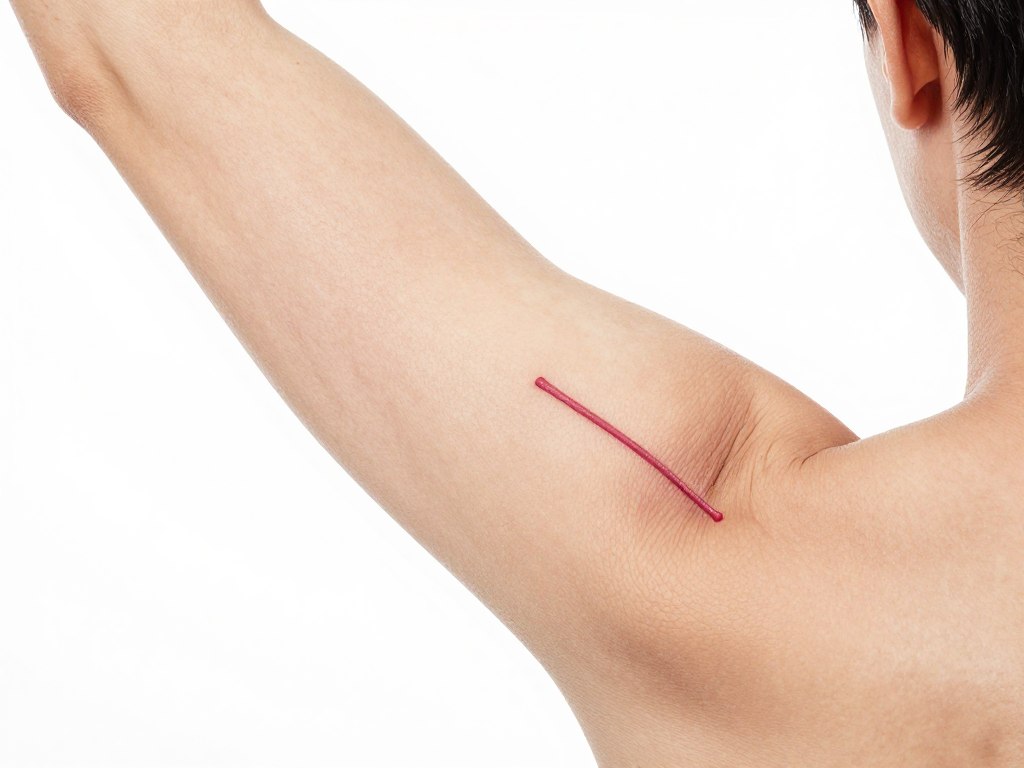
Following lymph node removal, some people develop tight, cord‑like bands under the skin of the inner arm, axilla or lateral chest. These cords can limit arm movement and create pulling sensations when reaching; with appropriate stretching, manual therapy and physiotherapy they commonly improve over weeks to months.
When to Seek Additional Help: Contact the breast care nurse or physiotherapy team if cording markedly limits movement, causes significant pain, or persists beyond three months despite regular stretching. Manual mobilisation techniques and targeted treatment often release adhesions that do not respond to exercise alone.
Removal of lymph nodes or radiotherapy can disrupt lymphatic drainage and create a lifelong risk of fluid accumulation in the arm, hand, chest or residual breast tissue. Early detection by monitoring for subtle swelling allows conservative treatment to begin before lymphoedema becomes established.
If any warning signs are noticed, contact the lymphoedema specialist, breast care team or physiotherapy service promptly. Early‑stage lymphoedema usually responds well to conservative measures such as compression garments, manual lymphatic drainage, skin care and specific exercise modifications, preventing progression to more intensive treatment.
Prolonged immobilisation or insufficient movement after surgery can lead to adhesive capsulitis (frozen shoulder), a painful condition causing progressive restriction of shoulder movement that often requires many months of physiotherapy. Preventative, regular prescribed exercises from the early post‑operative period substantially reduce the risk of developing frozen shoulder.
Research indicates that consistent performance of prescribed exercises from the early recovery phase is associated with lower rates of frozen shoulder than delayed or inconsistent exercise practice. Discuss persisting pain or movement concerns with the breast care nurse or physiotherapist for targeted management.
Radiotherapy after breast surgery produces additional tissue changes — including increased skin sensitivity, progressive fibrosis and treatment‑related fatigue — that influence exercise planning. Physiotherapy approaches are adapted during active treatment and in the months that follow as tissues respond to radiation.
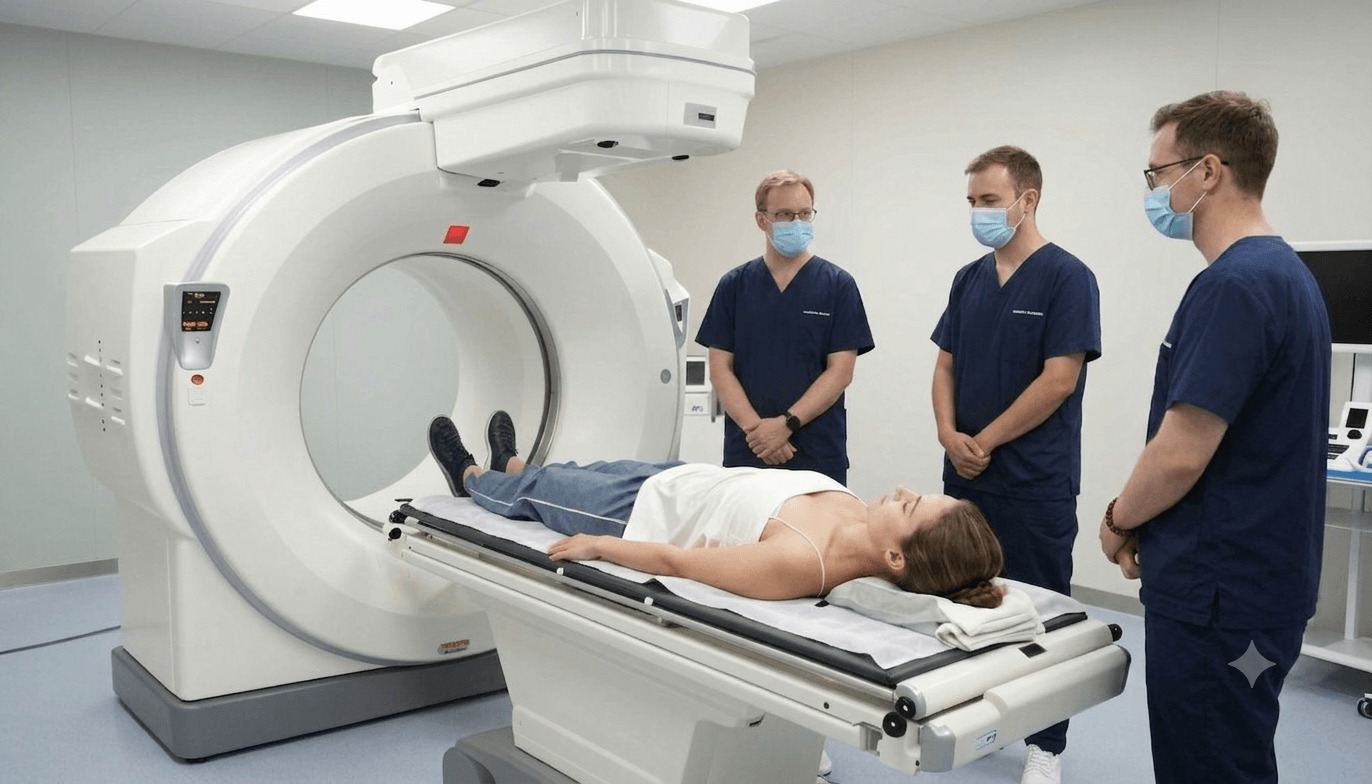
Continuing gentle shoulder and arm movements throughout radiotherapy helps prevent stiffness while avoiding strain on increasingly sensitive tissues. Established exercise routines are usually maintained with minor modifications according to skin reaction severity and levels of fatigue.
Radiation may cause progressive tissue fibrosis over months to years, gradually tightening the chest wall, shoulder capsule and overlying skin. Regular stretching and maintenance exercises counteract this process and help preserve flexibility despite underlying tissue changes.
Some people notice increasing tightness six to twelve months after completing radiotherapy. If delayed stiffness develops, resume or intensify gentle stretching and seek physiotherapy review for personalised strategies to limit long‑term movement loss.
Surgical scars after mastectomy or breast‑conserving surgery benefit from targeted care to improve tissue mobility, limit adhesion formation and reduce hypersensitivity. Appropriate scar management helps restore comfortable movement of the chest, shoulder and arm and improves tolerance of clothing and daily activities.
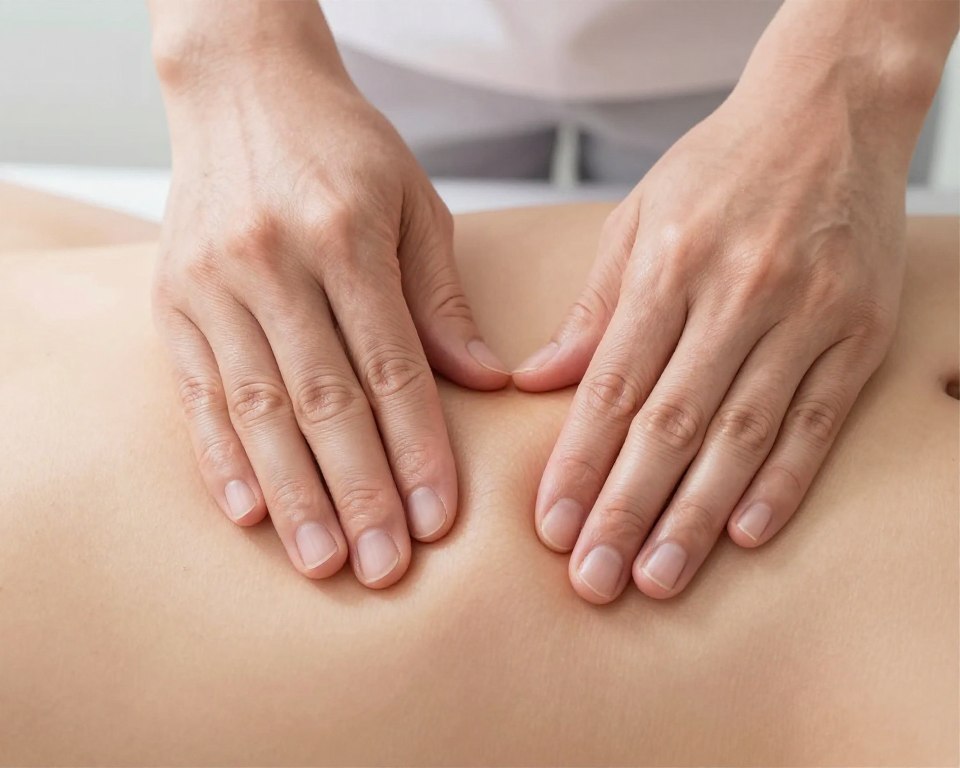
Begin scar massage only after the skin has fully healed with no scabs, drainage or open areas. For many people this is around four to six weeks after the operation, although the exact timing varies with individual healing and any wound issues; confirm the start date with the breast care nurse or physiotherapist.
Apply a small amount of unscented moisturiser or a specialist scar product if recommended. Using circular motions, massage the scar and adjacent tissues, increasing pressure gradually as comfort allows.
Gradual desensitization retrains altered nerve responses and improves comfort. Use a variety of textures and pressures, increasing stimulus intensity over weeks as tolerated.
Consistent scar care commonly produces measurable improvements in tissue mobility and sensation over months. Regular scar massage and desensitization, combined with prescribed exercises for the shoulder and arm, support better function and reduced tightness. Seek advice from the breast care nurse or physiotherapist if pain, unusual redness or delayed healing occurs.
Gradual resumption of normal activities and recreational exercise follows a staged progression that respects healing timelines while avoiding excessive caution that can cause deconditioning and reduce quality of life. A planned return to activity supports physical recovery, social participation and psychological wellbeing.
The table below provides general guidance. Individual recommendations vary according to surgical complexity, reconstruction type, any complications and pre‑existing fitness. Discuss personal timelines with the breast care team before increasing activity.
| Timeframe | Permitted Activities | Activities to Avoid |
| First 2 weeks | Gentle walking, light household tasks below shoulder height, personal care within comfort limits | Lifting anything heavier than a kettle (about 3–4 kg), overhead reaching, vigorous housework, driving until cleared by the surgeon |
| Weeks 2-4 | Extended walking, light shopping, gradual return to desk‑based work, gentle swimming if wounds fully healed | Heavy lifting over 2–3 kg, pushing heavy vacuum cleaners, repetitive overhead activities, contact sports |
| Weeks 4-6 | Most daily activities, light strength training, cycling, moderate household tasks, return to most employment | Heavy lifting over 5 kg, high‑impact exercise, competitive sports, activities causing significant discomfort |
| After 6 weeks | Gradual return to all pre‑surgery activities including gym exercise and sports as comfort allows | None specifically, though lymphoedema precautions remain important for people who had lymph node removal |

Evidence supports regular exercise following breast cancer treatment for improving physical function, reducing fatigue and enhancing psychological wellbeing; some studies also suggest benefits for long‑term health. Once cleared by the medical team, aim to build gradually towards approximately 150 minutes of moderate‑intensity activity per week.
Exercise Recommendations: Combine cardiovascular activities such as walking, cycling or swimming with strength training at least twice weekly. Start conservatively and increase load gradually, monitoring how the arm and shoulder respond over the ensuing weeks and months.
Resume strength training with a cautious, progressive approach using light weights or resistance bands. Emphasise technique and control rather than heavy loads; progressive training introduced gradually does not increase lymphoedema risk when appropriately supervised.
Physical rehabilitation after mastectomy commonly intersects with emotional adjustment to changes in body appearance, the impact of a cancer diagnosis and the process of rebuilding confidence in movement and function. Addressing these elements alongside physical recovery supports holistic rehabilitation and improves quality of life.

Changes to breast appearance, chest contour and arm function may affect how people feel about their bodies and their willingness to engage in activities such as swimming or intimate moments. Gradual exposure to such activities, supported by clinicians or peer groups, usually helps rebuild comfort and confidence over time.
Focusing on functional gains during rehabilitation — for example returning to favourite activities, achieving full arm elevation or resuming work tasks — provides practical milestones that reinforce self‑efficacy and shift attention towards capability rather than loss.
Anxiety about causing harm or provoking pain can lead to excessive avoidance of movement. This may create a cycle in which inactivity increases stiffness and discomfort, which in turn heightens fear. Breaking the cycle requires graded exposure to feared movements alongside clear education about safe activity limits.
Persistent pain or anxiety that limits rehabilitation should be discussed with the breast care team. Additional support is often available through pain management services, psychological support and specialist physiotherapy to address barriers and promote return to normal life.
Maintaining shoulder flexibility and strength extends beyond the initial recovery period and requires ongoing attention to movement patterns, short daily stretches and appropriate activity to preserve gains from early rehabilitation. Regular, brief routines are more effective than occasional intensive sessions.
Integrate specific shoulder maintenance exercises into everyday routines to reduce the impact of long‑term tissue adaptations after breast surgery and radiotherapy. Consistent practice helps retain function and prevents gradual loss from disuse or compensation.

Remain vigilant for late complications such as delayed lymphoedema, progressive shoulder stiffness or chronic pain that can arise months or years after treatment. Regular self‑checks and prompt professional consultation when concerns appear help prevent minor issues becoming significant limitations.
Although many people recover well with standard rehabilitation, some require specialist physiotherapy to address complex problems, persistent complications or individual circumstances that need bespoke management beyond routine exercise advice.
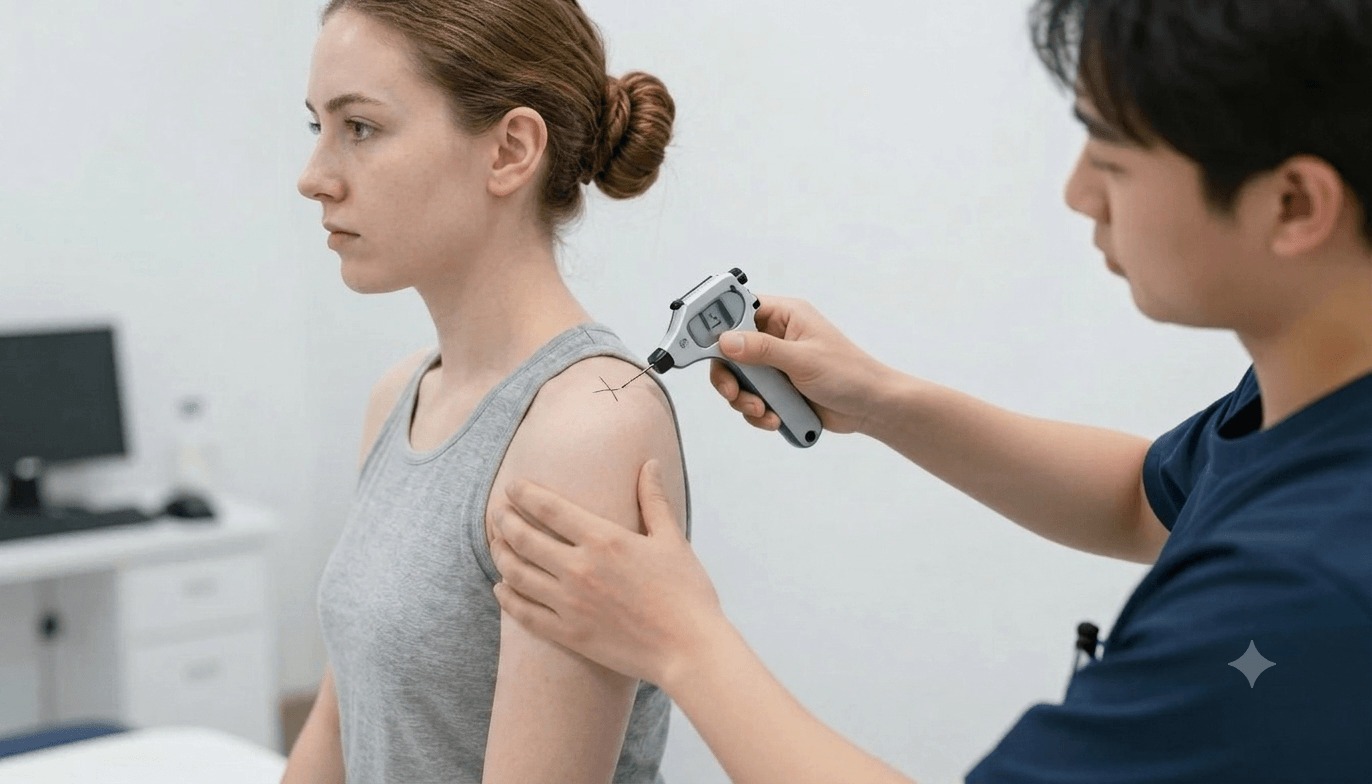
Gentle hand, wrist and elbow movements are usually started within 24–48 hours of the operation to maintain circulation and joint mobility. Shoulder exercises progress once drains are removed and the surgical wounds have healed sufficiently. The breast care nurse and physiotherapy team provide specific timing and instructions tailored to the individual surgical procedure and recovery.
Mild discomfort or pulling during stretching is common and often settles as tissues adapt over several weeks. Exercises should remain within a tolerable range; sharp or worsening pain, or sleep‑disturbing pain, should prompt discussion with the breast care team or physiotherapist to exclude complications and adjust the programme.
Most people regain good functional recovery within six to eight weeks after surgery, while complete tissue healing and return of full strength may take three to six months. Timelines are longer when reconstruction, radiotherapy or complications such as lymphoedema or frozen shoulder occur. Individual factors including age, fitness and the extent of the operation influence recovery.
Appropriate, progressive exercise after lymph node removal does not increase lymphoedema risk and can aid lymphatic function through improved muscle pump activity. Strength training introduced gradually under supervision is safe for most people. Avoid sudden dramatic increases in activity or traumatic injury to the affected limb.
Ongoing maintenance stretching—particularly overhead and behind‑back movements—helps counteract progressive tissue fibrosis from radiotherapy and scarring. Brief daily sessions preserve flexibility more effectively than intermittent intensive efforts. Continue to monitor the arm and shoulder and seek review if movement declines.
Specialist services offer detailed assessment and targeted treatment for complex rehabilitation needs, persistent complications or specific goals such as return to high‑level sport. These services include lymphoedema management, manual therapy for scar and tissue restriction and tailored strength programmes. Contact specialist services via the breast care nurse or local referral pathways for personalised guidance.
Physiotherapy following mastectomy and other breast surgery is a central element of comprehensive cancer care. Structured rehabilitation restores function, reduces the risk of complications and supports a return to valued activities, helping preserve long‑term shoulder and arm health after treatment.
Most people progress well through standard rehabilitation with support from breast care teams and physiotherapy services. Those with persistent difficulties, complications or higher recovery goals benefit from specialist input to tailor treatment to individual needs and optimise outcomes.
Specialist physiotherapy assessment offers personalised guidance to address specific recovery challenges following breast cancer treatment. Expert input aids recovery from surgery and radiotherapy, ensures complications receive prompt attention and supports progression towards functional goals.
Recovery after breast cancer treatment extends beyond wound healing to include restoration of strength, mobility and confidence. Engaging with physiotherapy, monitoring movement and seeking appropriate advice when concerns arise helps people achieve the best possible outcomes after surgery and radiotherapy.

Book a personalised demonstration of the StandSure™ today by filling out our request form. Have any questions? Call us now, and our team will be happy to assist!


