No products in the cart.


Awareness month 2026 builds on twenty years of progress in cerebral palsy advocacy. The campaign highlights the broad experience of living with cerebral palsy, from everyday life challenges to accessing high-quality therapy and support services. Each annual campaign reinforces public understanding while supporting improved care for movement and posture-related needs.
People with cerebral palsy have diverse needs that vary according to the type and severity of the condition. Some require minimal assistance; others need comprehensive support for daily activities. This range of experiences underlines why cerebral palsy awareness is essential to reduce misconceptions and promote appropriate responses from services and communities.
The campaign stresses that cerebral palsy is a lifelong condition, typically caused by brain injury or atypical brain development around birth. Clear communication about causation helps families at diagnosis and supports community understanding. Clinicians report that accurate information and education improve patient outcomes and family wellbeing.
Movement disorders affect routine activities and commonly require specialised therapy.
Integrated therapy supports children and young people to meet individual goals.
Local and national networks connect families and share practical resources.
Ongoing research continues to inform better treatments and outcomes.

Participation in Cerebral Palsy Awareness Month does not require specialist skills; simple, consistent actions make a meaningful difference. Individuals and groups across the UK contribute in a range of ways, from brief social posts to organised community events. Each action helps increase cerebral palsy awareness and supports people affected by the condition.
Participation supports both public education and service-level change. Healthcare professionals particularly value broad engagement, as wider public attention strengthens institutional support for therapy, research and community services. Getting involved amplifies the campaign and helps shape practical improvements.
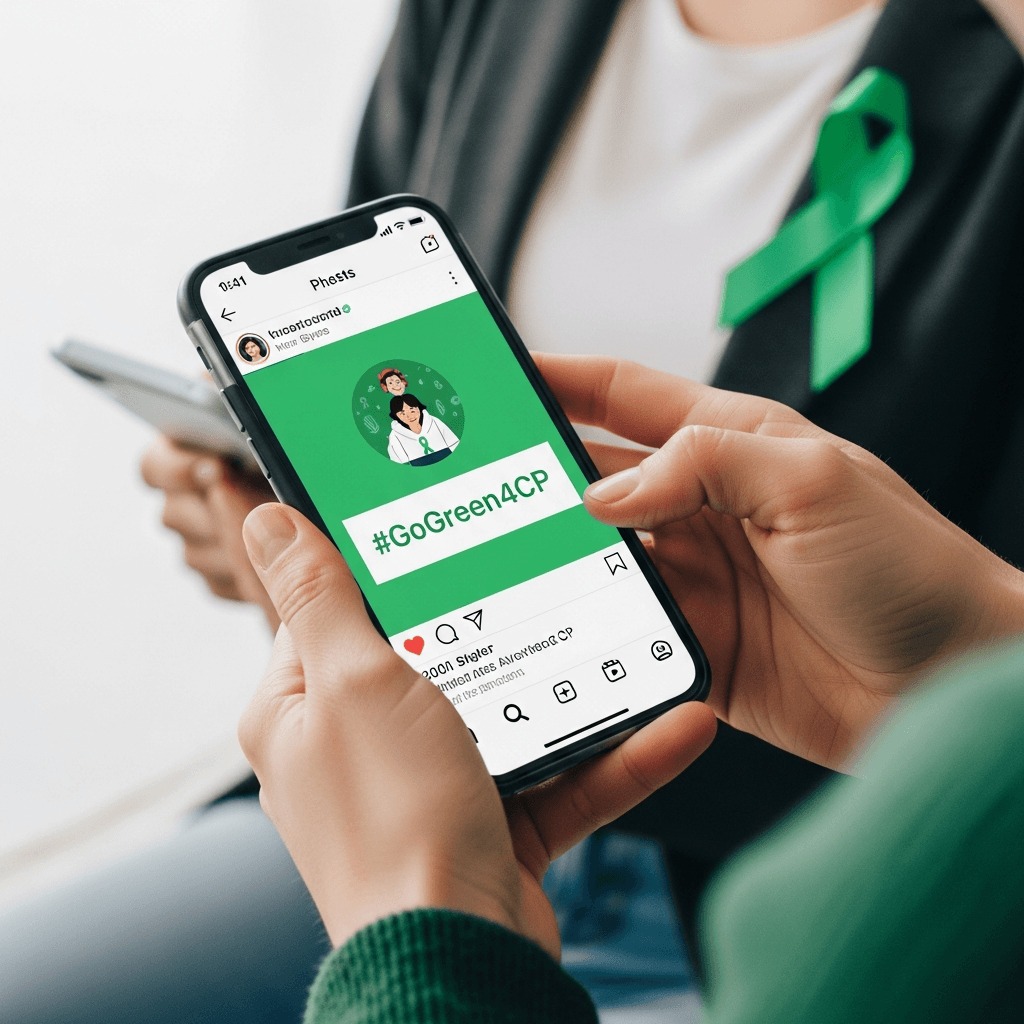
Use the campaign hashtag to extend reach and share accurate information. Post brief, factual messages, links to trusted resources and short stories that highlight lived experiences. Even a single well-informed post can prompt conversation and increase public awareness throughout March.
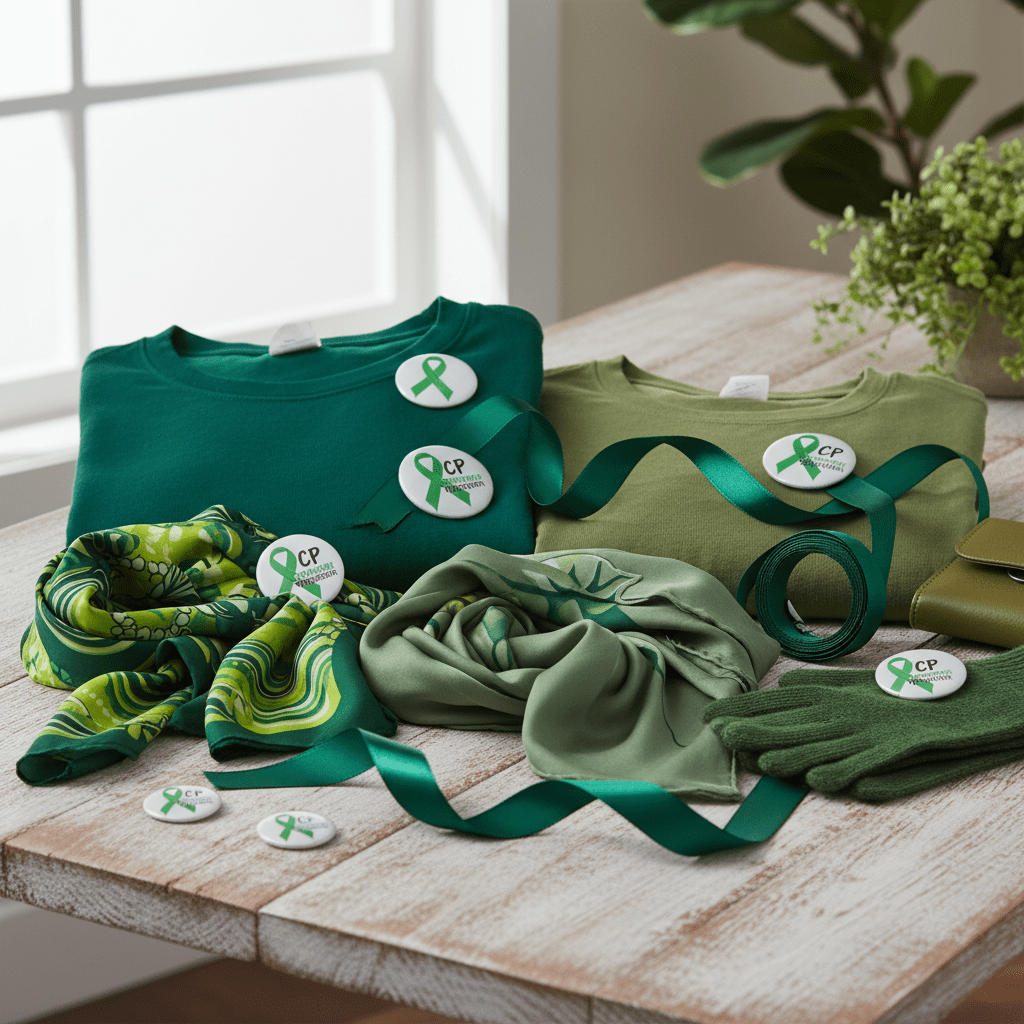
Wearing green—the recognised colour for CP awareness—creates visible solidarity and opens opportunities for discussion. Simple actions such as badges, ribbons or green clothing encourage questions that lead to education and greater understanding.
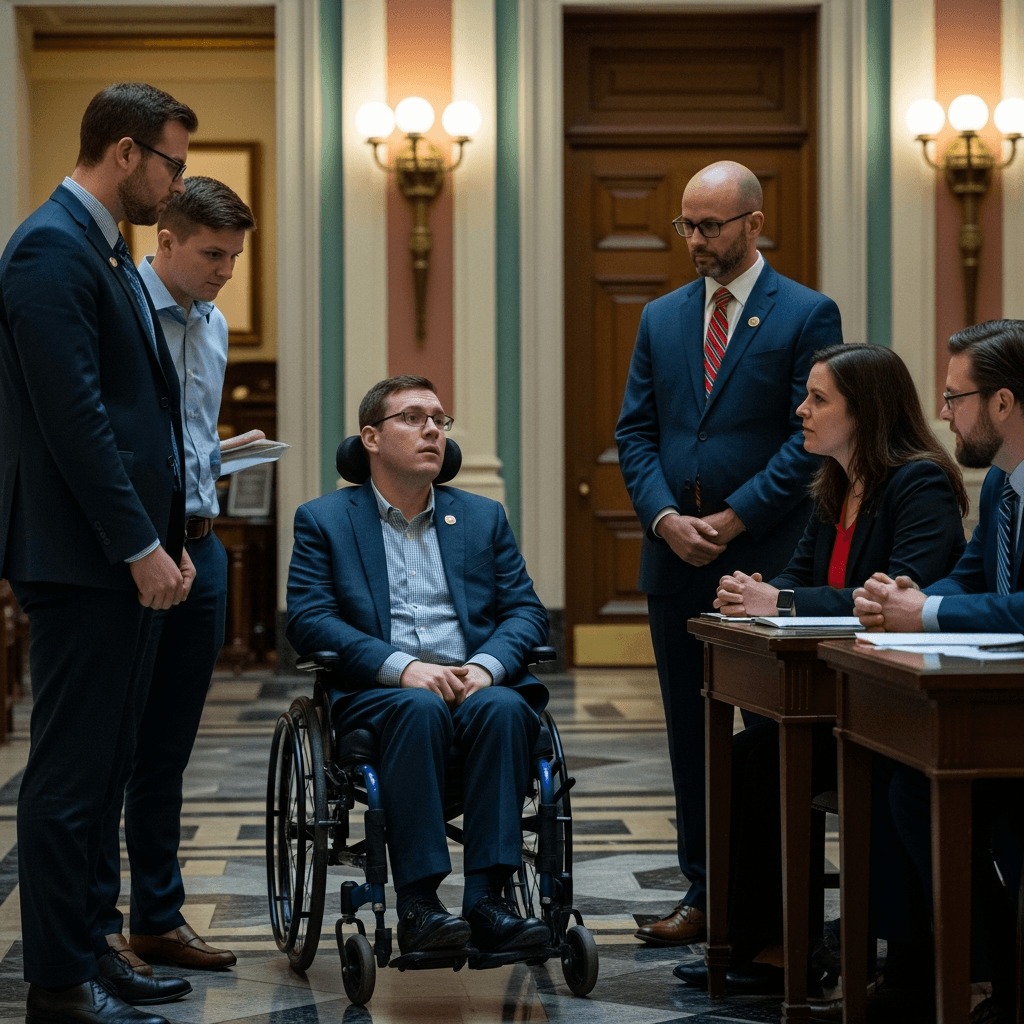
Advocacy for better funding and services drives systemic change. Contact local representatives, sign credible petitions and support campaigns that call for improved research investment, therapy provision and accessible services for people with cerebral palsy.
CPotential is a UK charity specialising in integrated therapy for children and young people with cerebral palsy and other movement disorders. The organisation delivers coordinated physiotherapy, occupational therapy and speech and language therapy to address complex developmental needs within individualised treatment plans.
The charity recognises that each person’s experience of cerebral palsy is different. Plans reflect clinical needs, personal goals and family circumstances, with a personalised, family-centred approach designed to maximise therapy effectiveness and reduce the burden of multiple appointments.
CPotential’s model brings therapy disciplines together to create cohesive care pathways. This collaborative approach minimises gaps in care and aligns goals across services, improving continuity and often easing families’ journeys through health, education and social systems.
Beyond direct therapy, CPotential provides information and practical resources for families. Educational programmes, peer support groups and advocacy work extend the charity’s impact, helping families to access services, understand rights and navigate local provision more effectively.
Work in the community complements clinical services. Outreach activities help families connect with local services and practical support, acknowledging that effective care requires attention to medical, social and educational needs together.
During awareness month CPotential runs targeted campaigns to increase public understanding and to raise funds that sustain therapy programmes. Donations support therapy sessions, specialist equipment and service expansion so that more families can access timely, coordinated care.
Help CPotential continue providing life-changing integrated therapies for children and young people with cerebral palsy and other movement disorders. Your donation directly funds therapy sessions that improve movement, independence, and quality of life. Every contribution makes a real and lasting impact on families throughout the United Kingdom.
By entering CPotential’s weekly lottery, supporters gain a chance to win £25,000 every week whilst funding integrated therapies for children and young people with movement disorders. This simple participation method provides ongoing support that sustains essential services. The lottery creates a win-win opportunity that benefits both participants and the families CPotential serves.
Physiotherapy is a cornerstone of cerebral palsy management throughout childhood and adolescence. Targeted interventions improve mobility, strength and functional independence; however, conventional techniques can struggle to provide consistent support during critical movement transitions.
The sit-to-stand transition is one of the most important and demanding skills for children with cerebral palsy. Mastering this movement enables participation in everyday life activities, promotes autonomy and supports social inclusion. Progress in this area often leads to sustained functional gains over time.
Specialised equipment can enhance therapy effectiveness by enabling safer, more controlled practice and increasing the quantity of purposeful repetition. Appropriate tools allow therapists to deliver intensive, task-specific practice with reduced physical strain, which supports efficient use of session time and may accelerate skill acquisition.
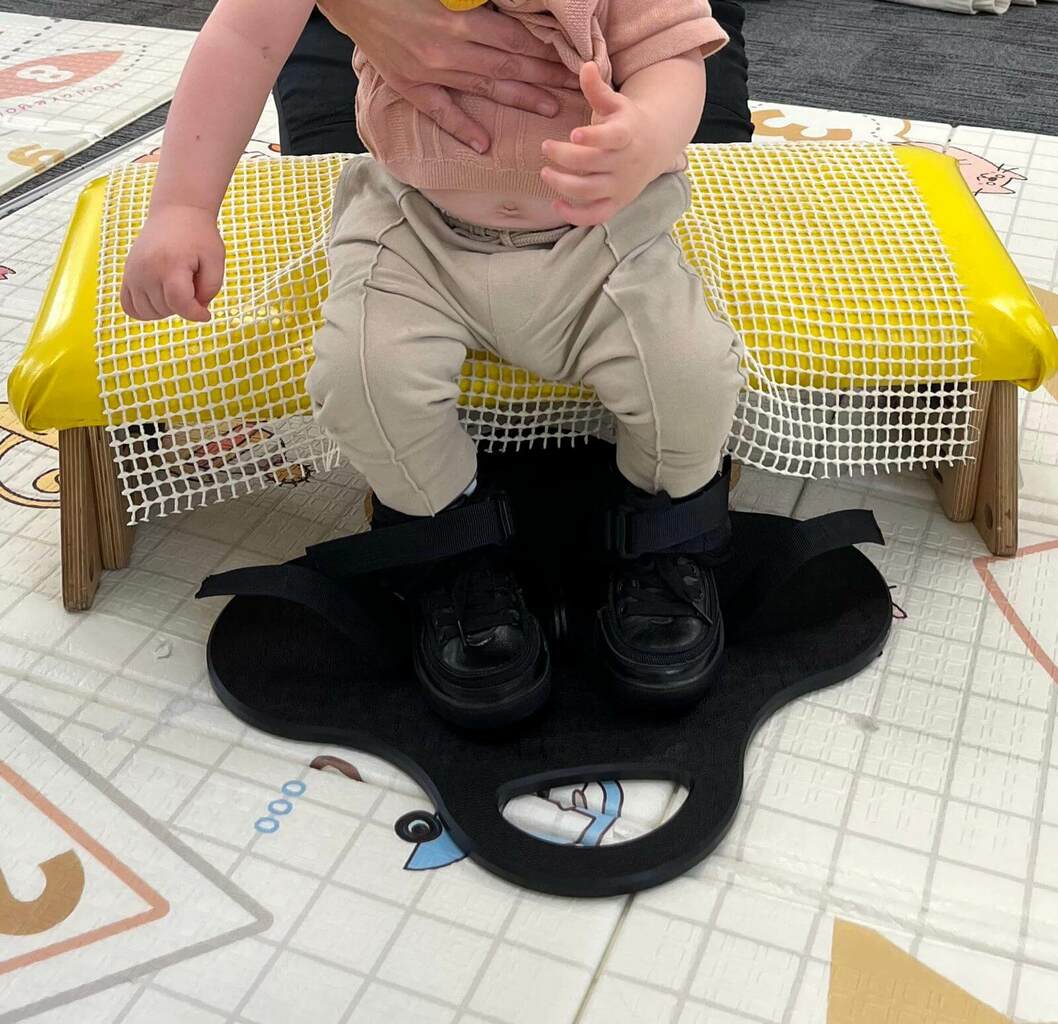
The StandSure Therapy Aid provides specialized support for sit-to-stand physiotherapy with children and young people living cerebral palsy and other movement disorders. This innovative device addresses the specific challenges therapists encounter when facilitating standing transitions. Clinical experience demonstrates how proper equipment transforms therapy sessions from struggling assistance to supported success.
Adjustable components accommodate different body sizes and functional levels, enabling progressive challenge as the child develops. Therapists adjust settings to provide safe but effective loading that encourages active participation without compromising safety.
StandSure emphasises biomechanically sound movement patterns that transfer to daily activities. By supporting quality of movement, the device seeks to reduce compensatory strategies and to reinforce functional skills that matter in everyday life.
Clinical use of StandSure aligns with evidence-informed therapy principles. The device integrates into comprehensive plans targeting lower-limb strength, trunk control and functional mobility, complementing therapists’ manual and facilitation techniques rather than replacing them.
The equipment facilitates increased repetition within standard session lengths. Research supports the role of high‑quality, task‑specific repetition in promoting neuroplasticity and skill acquisition; by reducing therapist fatigue, StandSure makes higher practice doses more achievable in routine care.
Built-in safety features increase confidence for therapists and families. Secure positioning reduces fall risk while encouraging children to attempt more challenging tasks; the psychological benefit of feeling safe during practice is an important contributor to engagement and progress.
For experienced paediatric physiotherapists, familiarisation with StandSure is straightforward. The intuitive design supports rapid integration into existing protocols with minimal workflow disruption, facilitating adoption across clinical and community settings. Where possible, clinicians are advised to consult device guidance and any available outcome data to inform local implementation.
The StandSure Therapy Aid provides specialised sit-to-stand support that enhances physiotherapy outcomes for children and young people with cerebral palsy. This clinical-grade equipment enables safe, effective practice of this fundamental movement transition. Explore how StandSure can transform therapy sessions in your practice or support your child’s development.
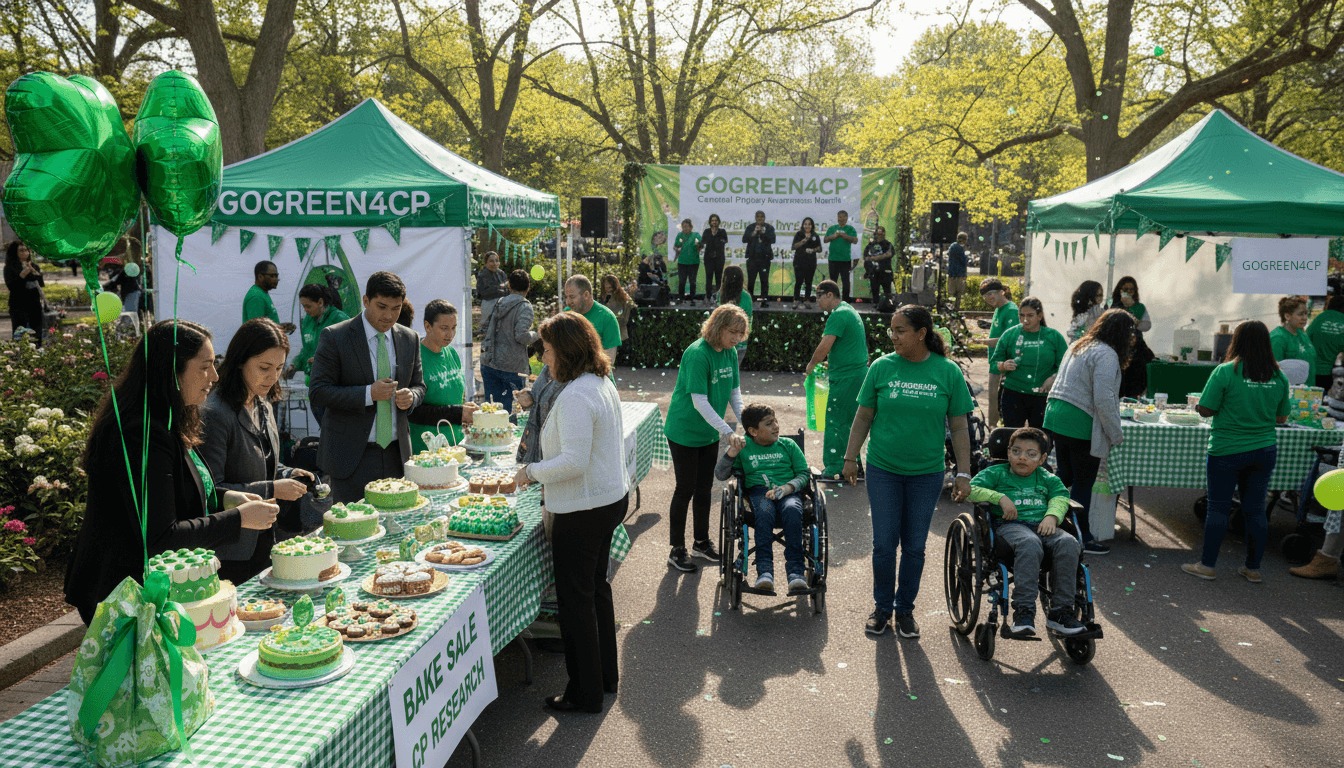
Cerebral Palsy awareness month offers multiple ways to contribute, tailored to individual circumstances and availability. Collective action—whether through donations, volunteer time or simple awareness-raising—strengthens support for children, young people and families affected by cerebral palsy.
Fundraising challenges are a common and effective option. Individuals or teams set achievable goals—such as sponsored runs, cycles or virtual walks—and invite sponsorship from friends, colleagues and local organisations. These events both raise funds and foster personal connections that deepen understanding of the charity’s work.
Educational activities during the month reach schools, workplaces and community groups. Short, well-prepared presentations, information packs and resource sharing help to correct misconceptions and promote inclusive practice. Clinicians can contribute by offering accessible talks that translate clinical evidence into practical advice for families and professionals.
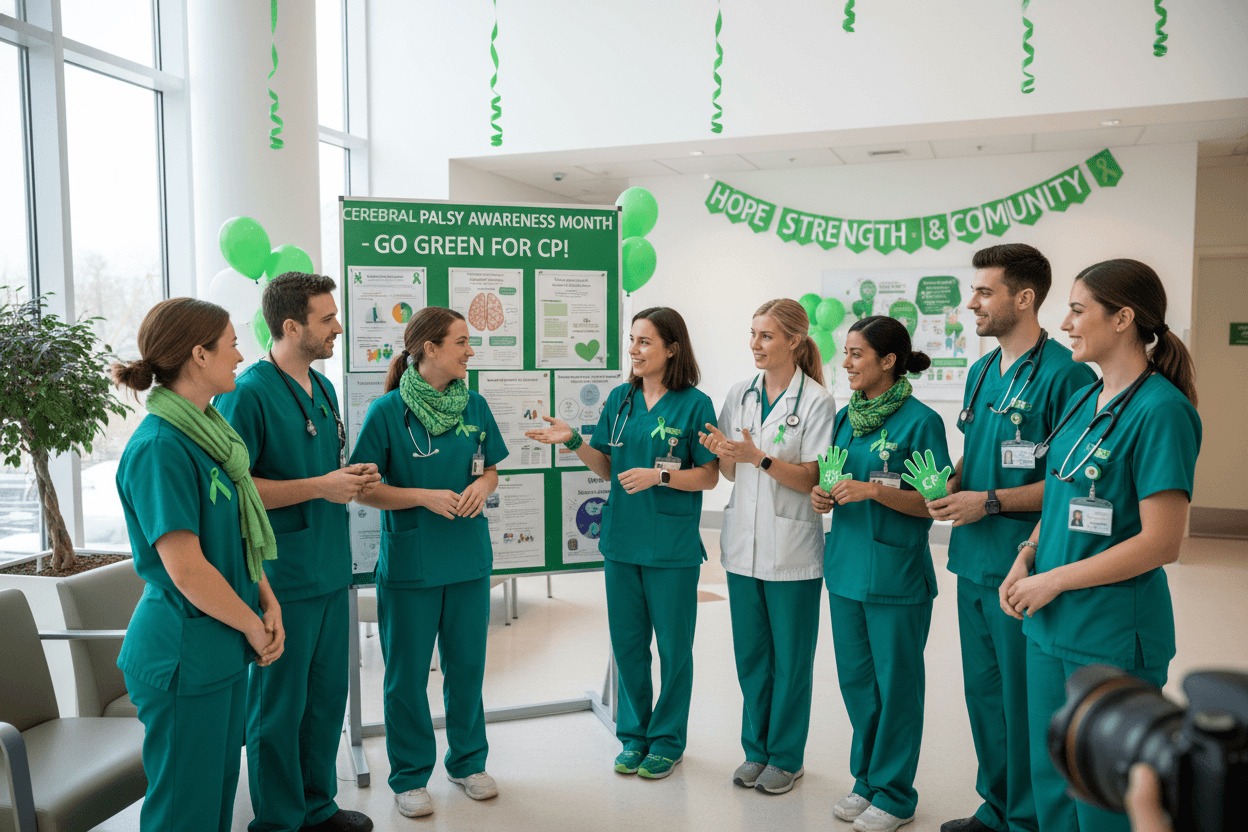
Clinical teams have an important role in advancing palsy awareness through professional channels. Clinic displays and patient information increase visibility beyond those directly affected and make it easier for families to seek support and services.
Sharing campaign messages via professional networks—clinical associations, study groups and conferences—extends reach to audiences well placed to influence care. Such activity supports evidence-based practice and can help to improve local service provision.
Workplace fundraising also provides meaningful engagement. Departments can run collection drives, organise team challenges, or host awareness events that build morale and demonstrate institutional support for the cause.
Where appropriate and in line with governance, research teams should consider using awareness month to share findings in plain language and to invite participation in ethically approved studies. Linking public education with research recruitment and dissemination helps to sustain the improvement cycle that benefits future generations.
Two decades of cerebral palsy awareness activity have contributed to measurable advances across policy, research and service provision. Sustained advocacy has supported policy developments, helped secure increased funding for research and services, and encouraged expansion of therapy and educational support in many areas.
Public understanding of cerebral palsy has improved significantly over twenty years. Persistent awareness work has helped to replace common misconceptions with a more accurate appreciation of the condition and its effects on movement and posture. Greater understanding supports the inclusion of people with cerebral palsy in community life.
Increased research investment has supported new treatment approaches, improved assistive technologies and a stronger evidence base for practice. Continued funding and research activity promise further developments that may enhance long‑term outcomes and quality of life for individuals affected by cerebral palsy.
Service availability and quality have also progressed: therapy resources, adaptive equipment and educational support are more widely available than in the past, although regional gaps and variability persist. Continued advocacy and informed planning remain necessary to ensure equitable access for all families.
Perhaps the most important legacy is a strengthened community. Families, clinicians and charities now connect more easily to share experiences, resources and mutual support. This networked resilience complements clinical care and contributes meaningfully to wellbeing across the lifespan.
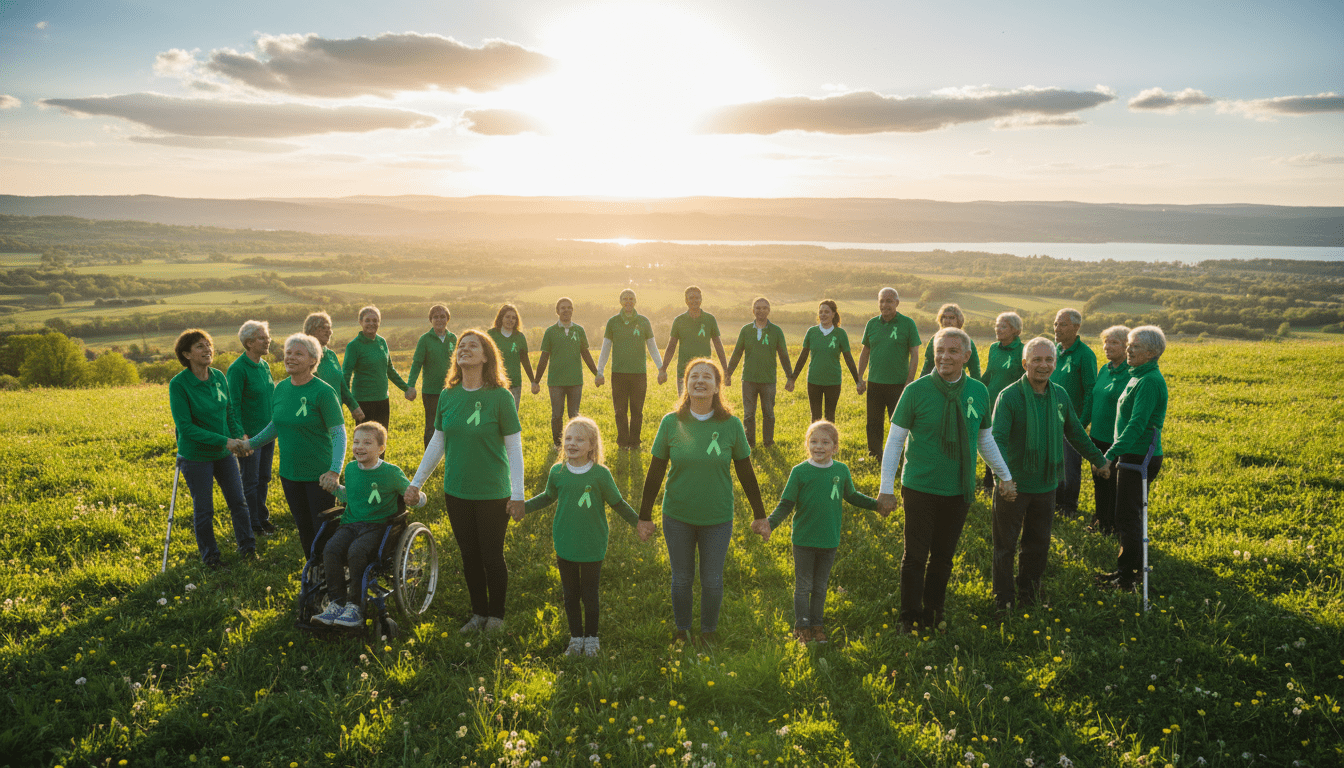
Cerebral Palsy Awareness Month 2026 provides many practical ways to support children, young people and families affected by this condition. Contributions of time, funds, professional expertise or simply raising awareness all strengthen the collective progress achieved over the past twenty years.
The experiences of people living with cerebral palsy illustrate resilience, capability and achievement. Awareness month recognises these successes while acknowledging ongoing challenges that require continued support from communities, services and policy makers.
As March approaches, consider how skills, networks and resources might be used to get involved. Broad participation—from individual acts to organised campaigns—multiplies the campaign’s effect and helps to secure lasting improvements in services and quality of life.
Multiple ways exist to support children, young people, and families affected by cerebral palsy. Choose the approach that aligns with personal circumstances whilst making a meaningful difference. Together, awareness efforts, charitable support, and therapy innovation continue improving lives throughout the United Kingdom.
The work continues beyond awareness month: sustained engagement during the year preserves momentum and supports continuous improvement. Whether through advocacy, research participation or everyday conversations, ongoing commitment helps to expand opportunities and build more inclusive communities for people living with cerebral palsy.
Joining awareness month 2026 means becoming part of a wider journey that has already made a difference and that continues to pursue better outcomes for current and future generations.

Book a personalised demonstration of the StandSure™ today by filling out our request form. Have any questions? Call us now, and our team will be happy to assist!


