No products in the cart.


Equine physiotherapy applies established physiotherapeutic principles to the assessment, treatment and rehabilitation of musculoskeletal conditions in horses. The discipline forms an integral part of a multidisciplinary approach to equine health, addressing acute injuries and chronic problems that compromise mobility, comfort or performance.
Qualified practitioners operate within the framework of the Veterinary Surgeons Act (1966) and work in collaboration with veterinary surgeons. Veterinary diagnosis and approval are required before many physiotherapy interventions are commenced, ensuring that assessment and treatment are delivered on a medically sound basis.
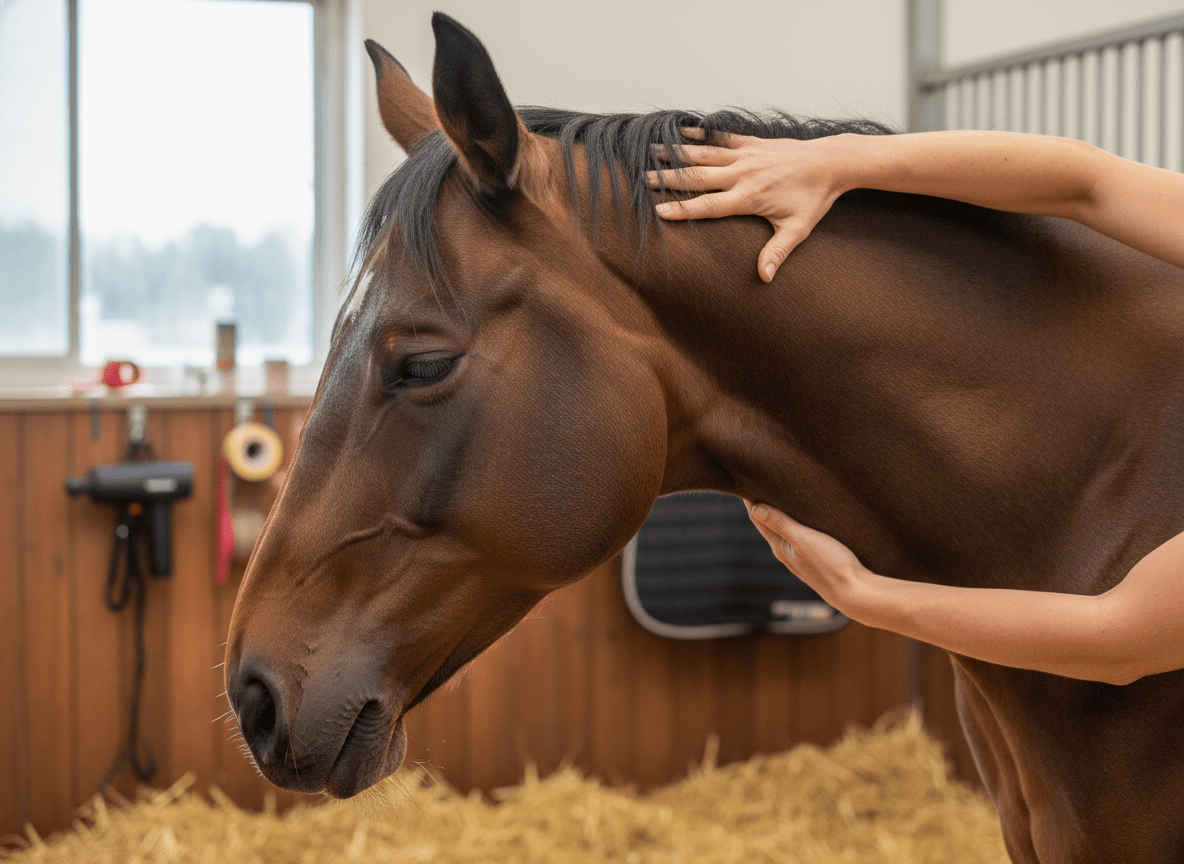
Manual therapy techniques form the foundation of equine physiotherapy
Assessment commonly combines static and dynamic evaluation methods. Treatment options include manual therapies, selected electrotherapy modalities and progressive therapeutic exercise programmes. These approaches are used to restore function, reduce pain and support performance across a range of disciplines from dressage and showjumping to leisure riding.
Equine physiotherapists are regulated practitioners who assess, diagnose (in conjunction with veterinary colleagues) and treat musculoskeletal and movement disorders in horses. In the UK, entry to the profession is achieved either via an undergraduate veterinary physiotherapy degree or by completing postgraduate animal‑therapy training after qualification as a human physiotherapist.
Membership of the Association of Chartered Physiotherapists in Animal Therapy (ACPAT) is widely recognised and indicates that a physiotherapist has completed appropriate training in animal therapy and meets professional standards. Some practitioners hold BSc (Hons) degrees in Veterinary Physiotherapy from named institutions; others are chartered physiotherapists who have undertaken accredited postgraduate courses to become veterinary physiotherapists.
ACPAT members maintain clinical records to professional standards
Under the Veterinary Surgeons Act (1966) equine physiotherapists must work with veterinary approval where diagnosis or treatment falls within the scope of veterinary practice. Typically, a veterinary surgeon examines the horse and provides a diagnosis or referral before physiotherapy commences, ensuring care is delivered on a secure clinical basis.
This collaborative model combines veterinary expertise in diagnosis and medical management with the physiotherapist’s specialist skills in rehabilitation, manual techniques and performance support.
To locate an accredited practitioner, consult the ACPAT searchable directory and verify membership details. Confirming accreditation helps ensure the physiotherapist holds recognised qualifications and appropriate insurance.
Equine physiotherapy follows a stepwise, evidence‑informed approach: initial assessment, veterinary diagnosis where required, targeted treatment and graded rehabilitation to support a safe return to work. Each stage builds on clinical findings to ensure interventions are appropriate to the horse’s condition and intended performance goals.
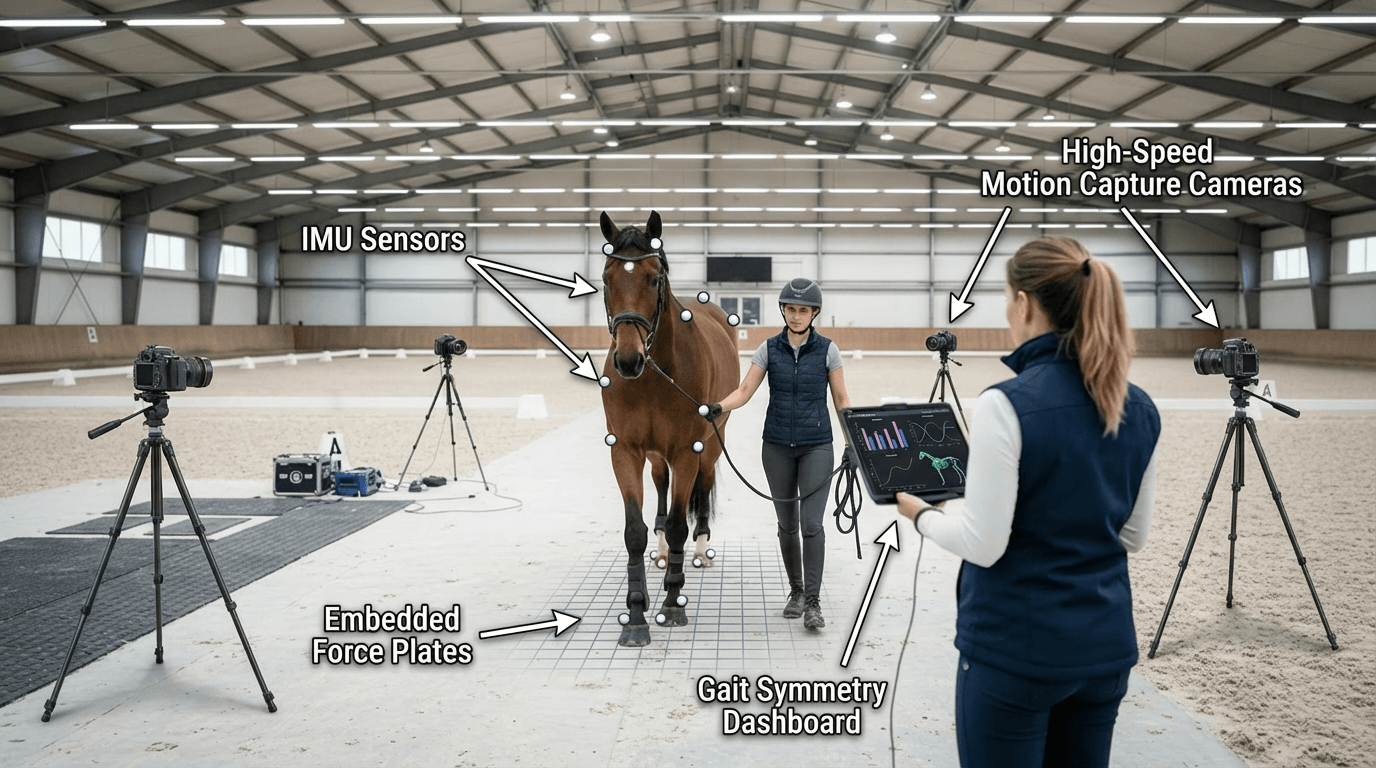
Gait analysis forms a crucial part of the assessment process
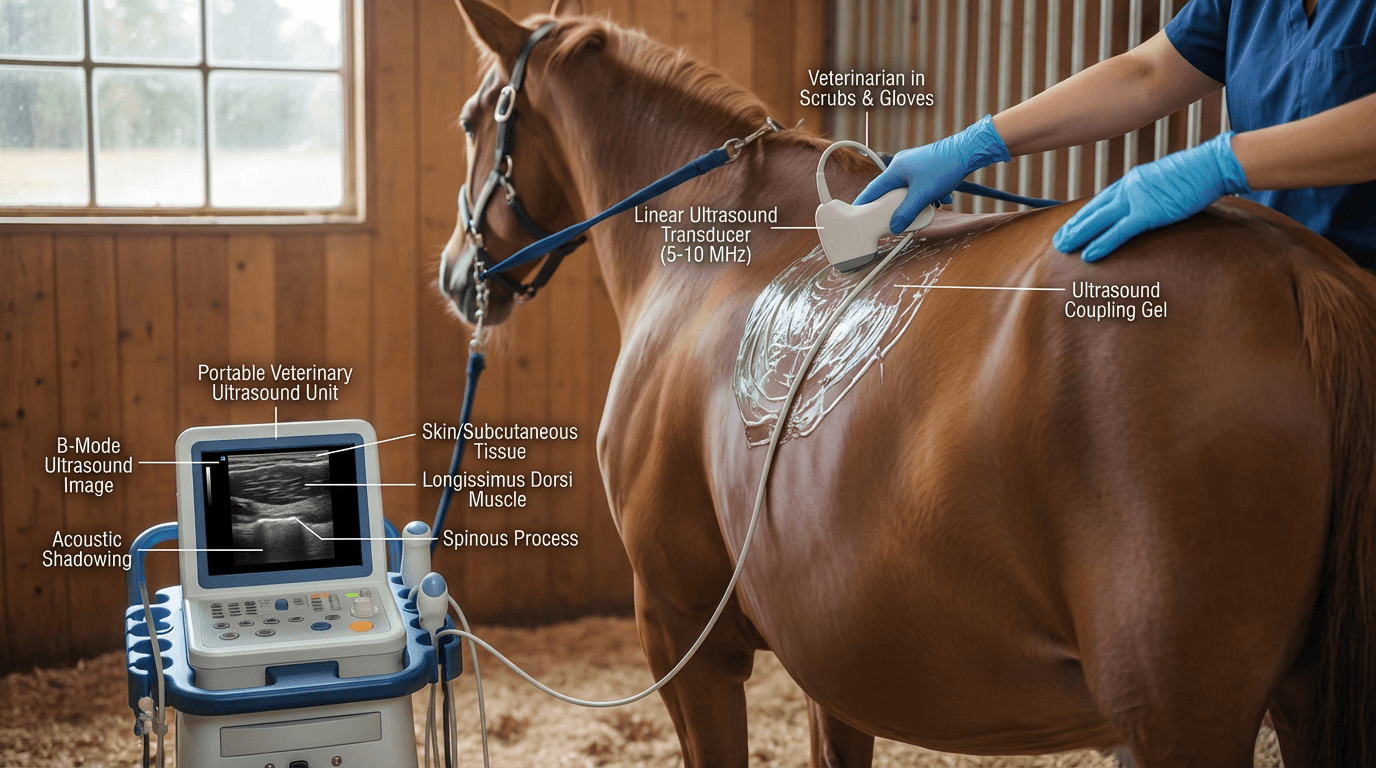
Electrotherapy is used selectively and typically requires veterinary approval, particularly post‑surgery
Equine physiotherapy can support measurable improvements in comfort, movement quality and athletic capacity in horses of all disciplines and activity levels. For competition horses and leisure mounts alike, physiotherapy contributes to performance enhancement, structured rehabilitation and ongoing maintenance of musculoskeletal health.
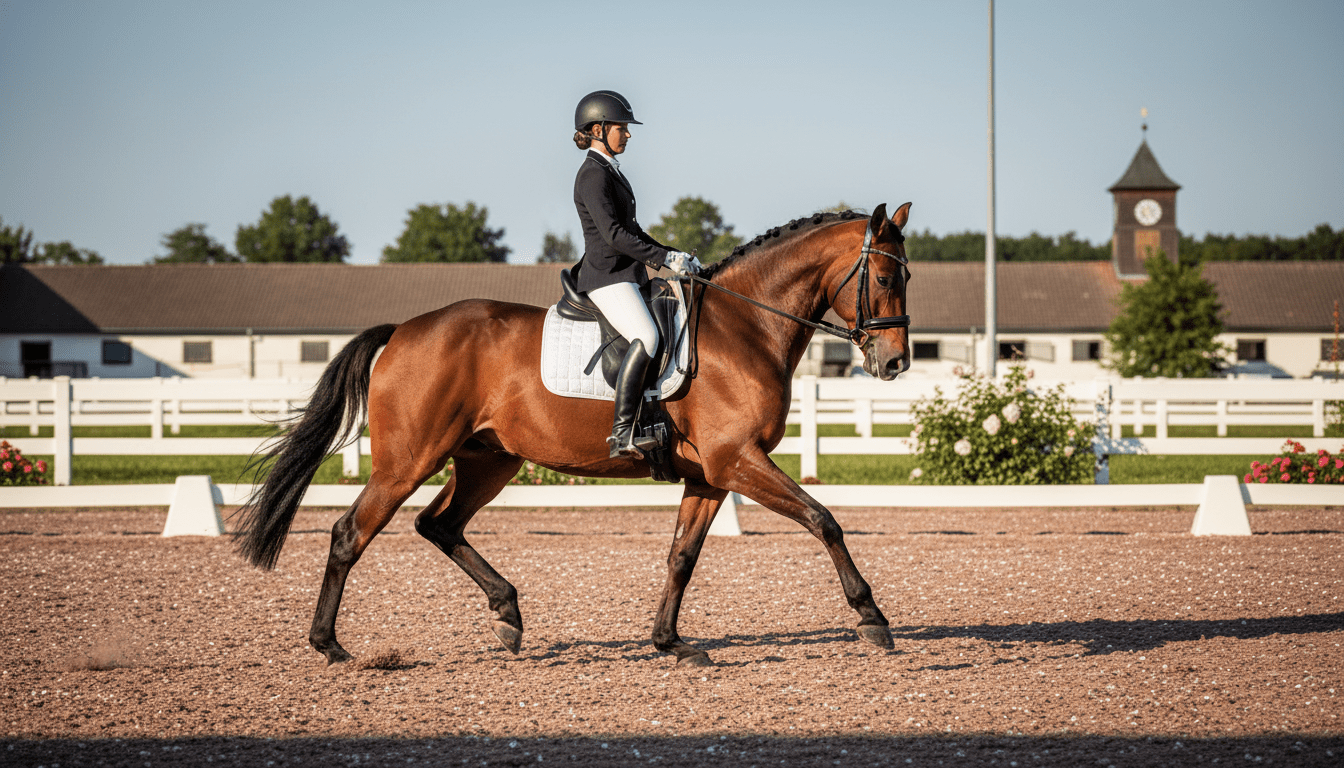
Improved movement and extension following physiotherapy intervention
“Prevention is better than cure. Regular sessions with a chartered physiotherapist are an absolute necessity to keep horses in peak physical condition.”
Horses frequently show subtle signs of discomfort or reduced function before clear lameness appears. Early recognition and assessment can prevent minor problems from progressing. Owners should consider a physiotherapy assessment when observing persistent changes in movement, behaviour or performance.
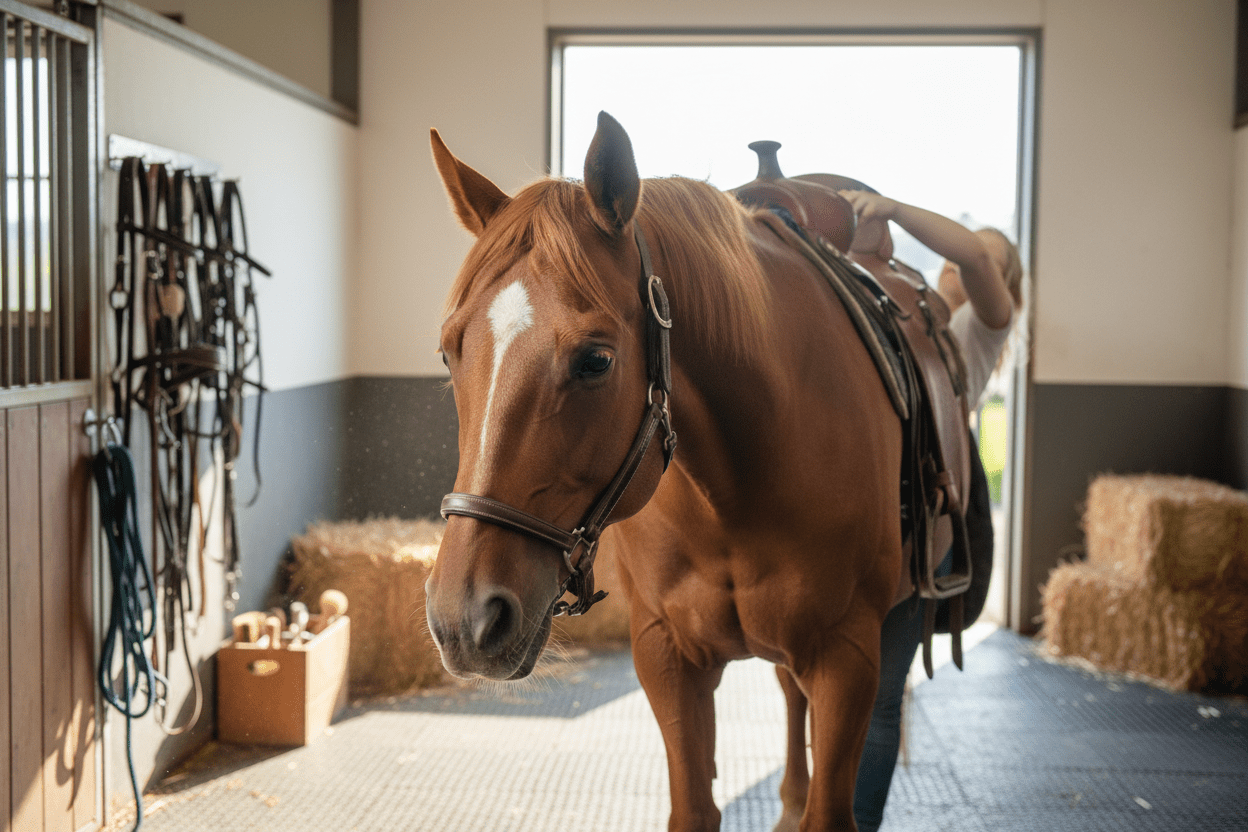
Discomfort at saddling can indicate underlying back or thoracolumbar issues
If a horse displays any of the signs above, discussing the issue with a veterinary surgeon is recommended. Where appropriate, the vet can refer the horse for assessment and treating horses with physiotherapy will then be arranged in partnership with the veterinary team.
Professional equine physiotherapists use a variety of specialised devices alongside hands‑on care to target specific problems. Selection of equipment is guided by clinical findings and by veterinary approval where required; some modalities demand additional training or are contraindicated in certain conditions.
Professional‑grade devices used to complement manual assessment and treatment
Many of these devices are also used in the treatment of other animals, for example canine practice, but their application and dosing differ between species. Owners should expect a measured, evidence‑based approach to equipment use rather than routine application at every visit.
Hippotherapy outcomes can be improved by brief preparatory interventions that optimise posture and foot positioning before mounting. Clinicians report that targeted preparation may facilitate safer engagement with the horse and enhance the therapeutic benefit for the patient.
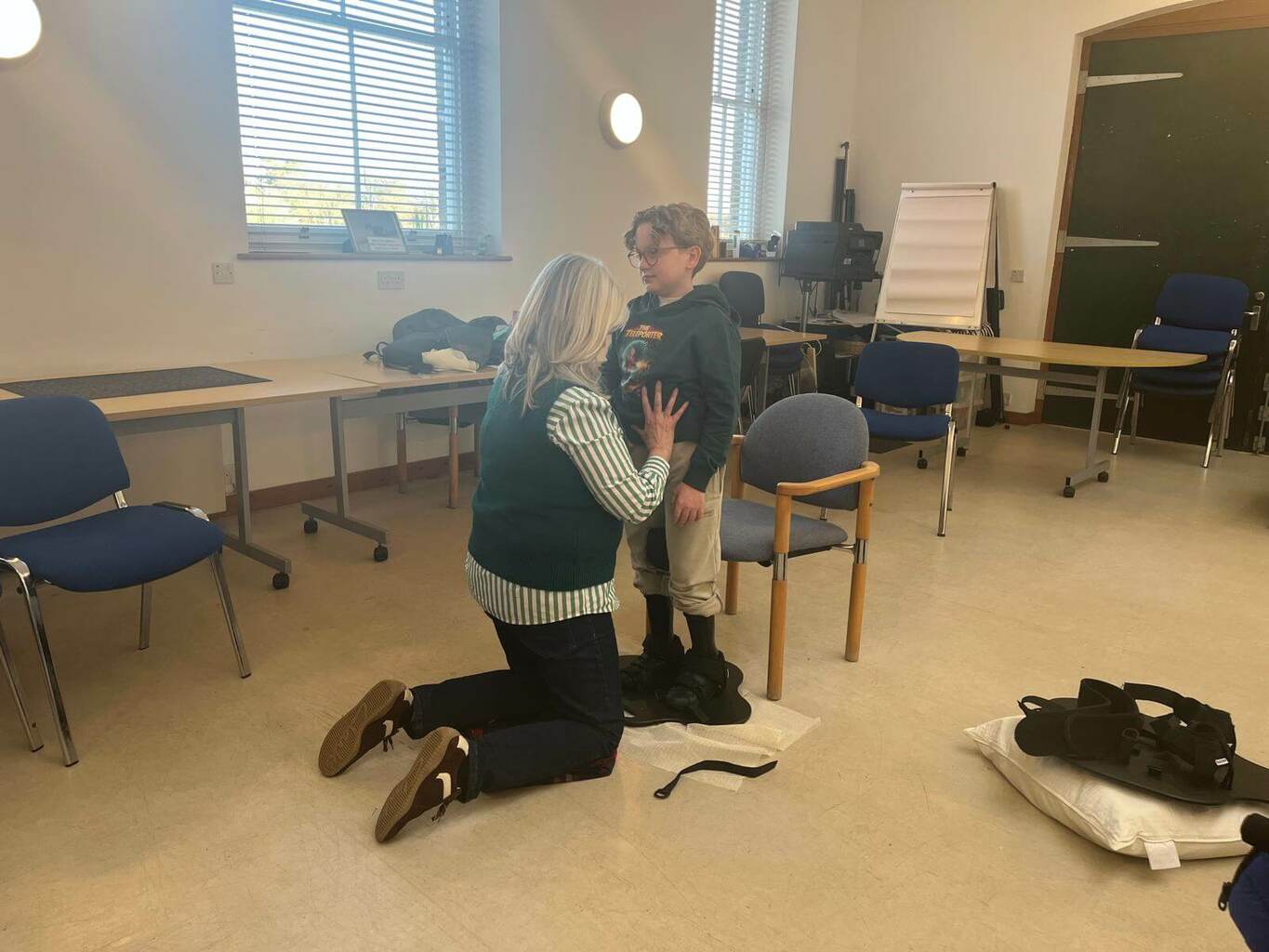
StandSure Therapy Aid in use for pre‑hippotherapy preparation
The StandSure Therapy Aid has emerged as a valuable tool for pre-hippotherapy preparation. This innovative device helps establish proper foot positioning and postural alignment before the patient mounts the horse, addressing common challenges that might otherwise limit hippotherapy effectiveness.
Clinical observations indicate that a 20-minute session with the StandSure Therapy Aid before hippotherapy can significantly improve outcomes by:
Discover how the StandSure Therapy Aid can improve your hippotherapy preparation and enhance patient outcomes.
Equine physiotherapy is a profession that combines scientific knowledge with practical skills to support the musculoskeletal health and performance of horses. The UK offers established educational routes to gain the necessary expertise and professional recognition.
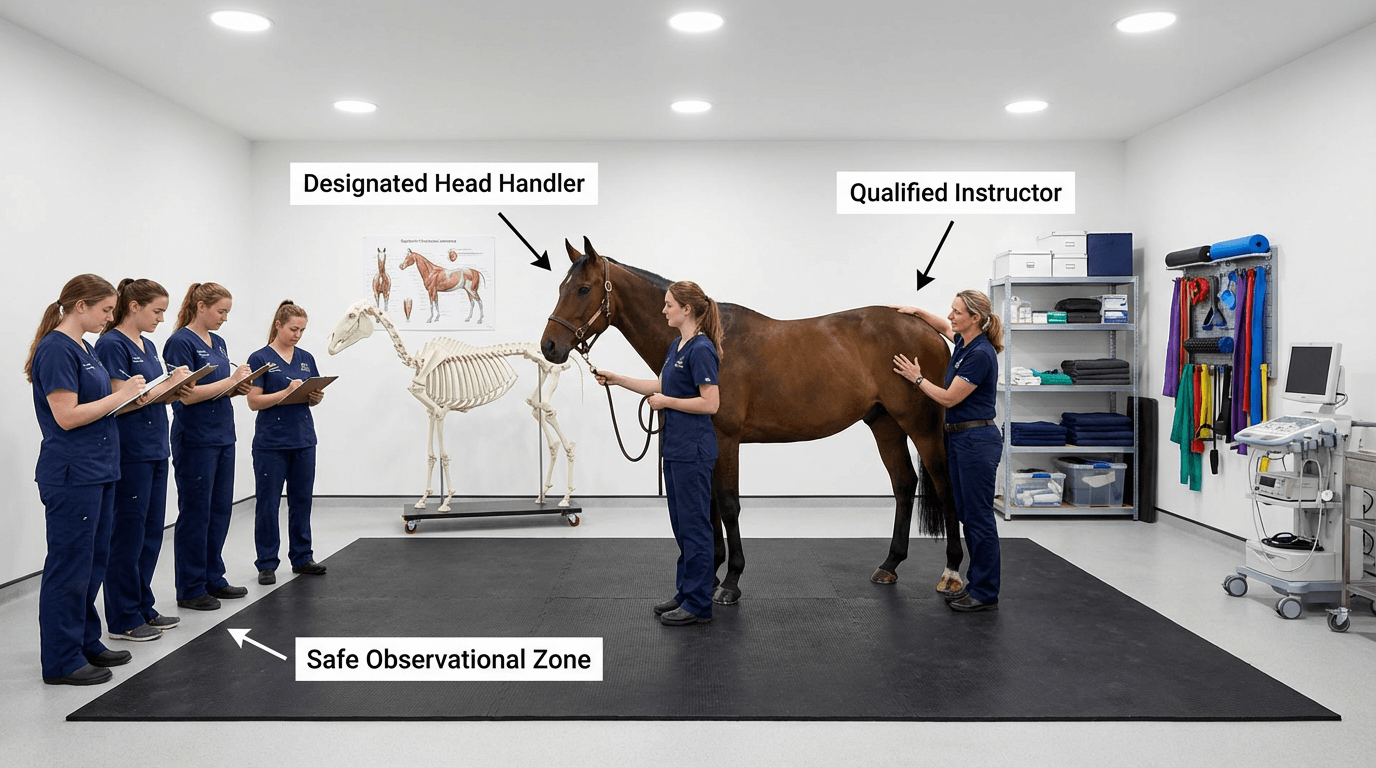
Students developing assessment and treatment skills in clinical settings
Undergraduate BSc (Hons) degrees in Veterinary Physiotherapy are available at selected UK institutions and typically last three years full time. Programmes combine academic study with practical, hands‑on training to develop clinical skills essential for treating horses.
Prospective students should review individual university course pages for current details and exact durations.
One alternative route is to qualify first as a human chartered physiotherapist and then complete accredited postgraduate training in animal therapy. MSc and postgraduate certificates provide specialist knowledge and practical experience in treating animals and usually require one to two years of study, depending on the programme.
Typical entry requirements for undergraduate veterinary physiotherapy include A‑level Biology and a second science subject, with offers varying by institution. Relevant work experience with horses and in veterinary settings is strongly recommended. Exact offers and prerequisites change between universities and between years; applicants should confirm current requirements directly with the institution.
Following qualification, professional development continues through membership of recognised bodies, further practical experience and supervised clinical practice to build the skills and expertise required for safe, evidence‑based practice.
Membership of the Association of Chartered Physiotherapists in Animal Therapy (ACPAT) is widely recognised and provides information on accredited training, professional standards and continuing professional development. Prospective students and members should verify current accreditation and course details with ACPAT and individual universities.
An equine physiotherapist assesses and treats musculoskeletal and movement disorders in horses using manual therapies, selected electrotherapy modalities and progressive exercise programmes. Working with the veterinary surgeon, the physiotherapist contributes to diagnosis, pain management, rehabilitation after injury or surgery and performance support as part of the wider equine healthcare team.
Physiotherapy can offer important benefits for horses across disciplines and workloads. It may help maintain musculoskeletal health, reduce pain and dysfunction, support recovery from injury and contribute to improved movement and performance. Regular assessment and timely intervention often prevent minor issues from progressing.
Frequency depends on the individual horse, workload and clinical findings. As a general guide, competition horses are commonly reviewed every four to six weeks, while leisure horses may be seen quarterly. Horses in active rehabilitation may require more frequent sessions initially (for example weekly or fortnightly) with the number of sessions reducing as improvement is documented. Clinical assessment guides the treatment plan and timetable.
Yes. Under the Veterinary Surgeons Act (1966) physiotherapists must work with veterinary approval when diagnosis or treatment falls within the scope of veterinary practice. Most practitioners will contact the horse’s vet to obtain permission before the first assessment. For routine maintenance, a veterinary surgeon may issue standing authority for a defined period; advice from the vet should be sought for acute or worsening problems.
There are two principal routes in the UK: complete an undergraduate degree in veterinary physiotherapy or qualify first as a human chartered physiotherapist and then undertake accredited postgraduate training in animal therapy. Membership of the Association of Chartered Physiotherapists in Animal Therapy (ACPAT) is widely recognised and provides information on accredited courses and professional standards. Prospective candidates should seek current advice from universities and professional bodies regarding entry requirements and course length.
Equine physiotherapy is an integral element of modern horse care, linking veterinary assessment with targeted rehabilitation and performance support. By applying specialised assessment and treatment techniques on an evidence‑informed basis, qualified physiotherapists help to maintain musculoskeletal health, support recovery from injury and optimise athletic function.
These benefits apply across the spectrum of horses, from competition animals to cherished family mounts. Collaborative working with veterinary surgeons and other equine professionals ensures that treatment is safe, appropriate and aligned with the horse’s broader healthcare plan.
Owners considering physiotherapy are advised to seek veterinary advice first, then consult an accredited practitioner listed by a recognised professional body such as ACPAT. For those pursuing this profession, appropriate qualifications and continuing professional development are essential to deliver expert, evidence‑based care.
To arrange assessment or to verify a practitioner’s accreditation, consult the ACPAT directory and discuss referral with your veterinary surgeon.

Book a personalised demonstration of the StandSure™ today by filling out our request form. Have any questions? Call us now, and our team will be happy to assist!


